FAQs
Questions, Answered
The practice’s answers to what patients actually ask — about visiting, about cost, and a long section on dental implants.
Visiting
Coming here, and looking after your teeth.
Anything not covered here is a phone call away — (281) 769-8878.
Do you accept new patients?
Yes. New patients are welcome, and there is a $189 new patient special covering a comprehensive exam, x‑rays, a cleaning and a full treatment plan. See new patients for what the first visit involves.
What do I need to bring to my first appointment?
Typically a photo ID and a copy of your insurance details, if you have any. Sometimes you can complete your new patient forms ahead of time — ask when you book.
How often should I visit the dentist?
The American Dental Association recommends most people visit every 6 months. Specific needs may require more frequent visits — a history of gum disease, smoking, diabetes or dental appliances can all mean quarterly. See cleanings and exams.
Why do I need dental x-rays?
With dental x‑rays (radiographs), we can view your teeth and surrounding structures with remarkable accuracy and in a way the human eye cannot. X‑ray images provide the information we need to plan your dental treatment. See technology for the equipment used.
How do I prevent cavities?
The practice follows American Dental Association guidelines: twice-daily tooth brushing, daily flossing, avoiding sugar, and maintaining twice-yearly professional cleanings. Hygiene education covers the technique in detail, because most people brush in a way that misses the same spots every time.
How often should I floss?
At least once a day, so food does not build up between the teeth and form harmful plaque. There is a right way to do it, and most people push the floss straight down rather than curving it against each tooth face.
What services does a general dentist offer?
Preventive, cosmetic and restorative treatment. This practice offers 31 of them across seven groups — see all services.
Where can I get teeth whitening in Katy?
Here. Two options: in-office whitening in a single visit, or customised take-home trays. See whitening.
Where are you located?
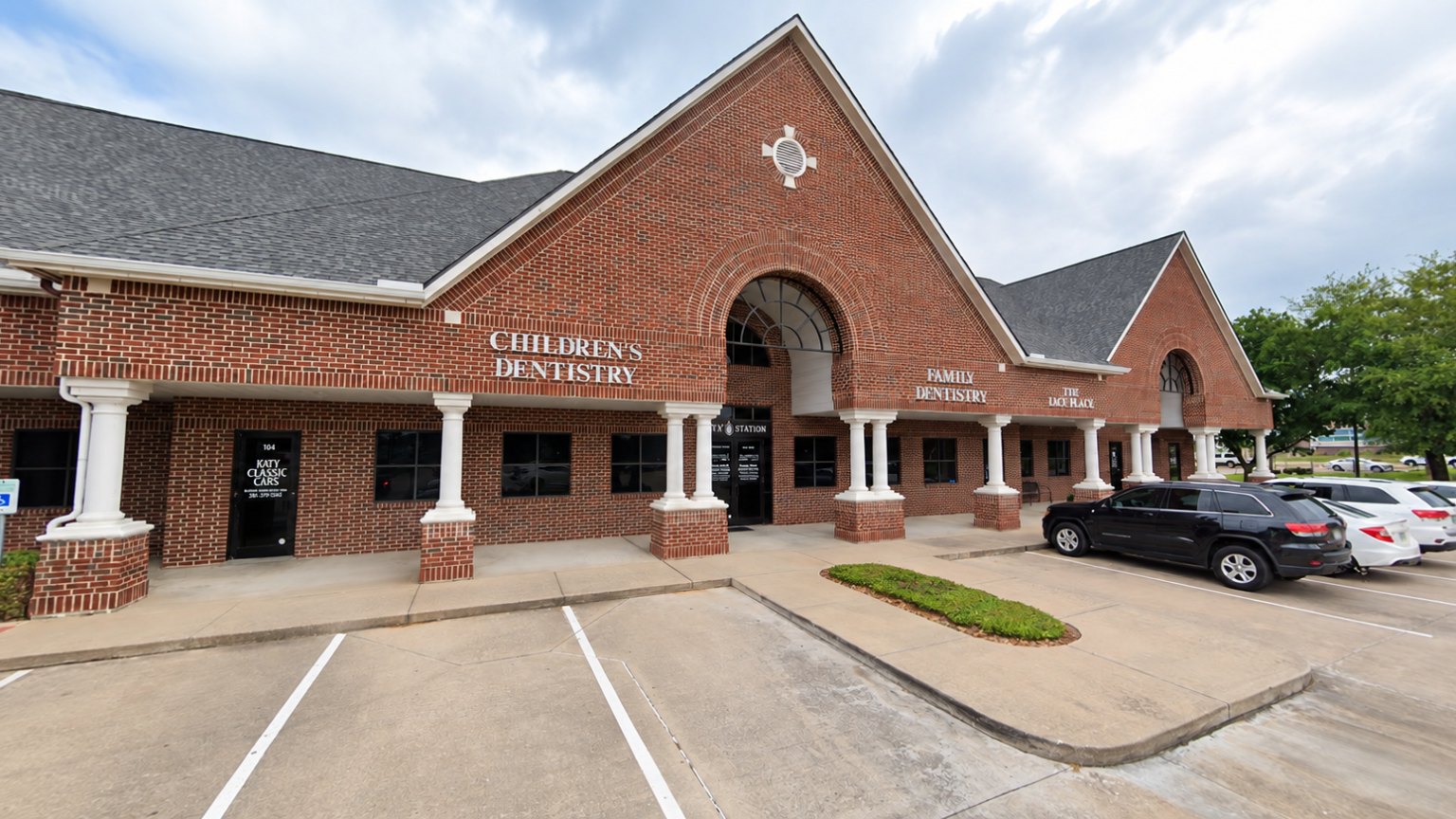
21830 Kingsland Blvd #104A, Katy, TX 77450 — at the corner of Mason Rd and Kingsland Blvd, behind the Ranch 99 complex. See contact.
Dental implants
Twenty questions about implants.
Implants prompt more questions than anything else the practice does. The treatment itself is on implant placement and implant restorations.
Safety and success
Are dental implants safe?
Yes. Dental implants are a safe and clinically proven treatment. They are made from biocompatible titanium that integrates naturally with the jawbone. When placed by an experienced implant dentist, dental implants are one of the safest procedures in modern dentistry.
What is the success rate?
Over 95%. Long-term success depends on proper placement, good oral hygiene, and routine dental checkups.
Do they look and feel natural?
Yes. Dental implants are custom-designed to match the color, shape, and size of your natural teeth. They feel secure, function like real teeth, and blend seamlessly into your smile.
Longevity and durability
How long does a dental implant last?
With proper care, a lifetime. The implant post is permanent, while the crown may need replacement after many years due to normal wear.
Are implants a permanent solution?
Yes. They are considered permanent because they fuse with the jawbone and do not rely on adjacent teeth for support — unlike a bridge.
Can dental implants fail over time?
Implant failure is rare but may occur due to smoking, poor oral hygiene, uncontrolled medical conditions, or gum disease. Regular dental visits significantly reduce this risk.
Pain, comfort and recovery
How painful is getting a dental implant?
The procedure is performed under local anesthesia or sedation, so patients feel little to no pain. Post-procedure discomfort is typically mild and manageable with medication.
How long is the recovery?
Most patients return to normal activities within 24–48 hours. Complete healing and bone integration usually take 3 to 6 months.
What can I expect afterwards?
Mild swelling or soreness may occur for a few days. Following post-operative instructions helps ensure smooth healing and long-term success.
The procedure and the timeline
Will I be without teeth during the process?
No. Temporary teeth or restorations are typically provided so you never have to go without a smile during treatment.
Can dental implants be done in one day?
In some cases, yes. Same-day dental implants may be possible depending on bone density and oral health. A consultation is required to determine eligibility.
Can I get an implant years after an extraction?
Yes. Even if a tooth was removed years ago, dental implants are often still an option. Bone grafting may be recommended if bone loss has occurred.
Candidacy and health
Who is a good candidate?
Good candidates have healthy gums, sufficient jawbone, good overall health, and are committed to maintaining proper oral hygiene.
Who is not a candidate?
Patients with uncontrolled diabetes, heavy smoking habits, severe bone loss, or certain medical conditions may require additional treatment before implant placement.
Can patients with diabetes get implants?
Yes. Patients with well-controlled diabetes can safely receive dental implants. Dr. Dave Cho will carefully evaluate your medical history before treatment.
Age, maintenance and alternatives
Is there an upper age limit?
No. Many seniors successfully receive dental implants and enjoy improved comfort and function.
Are implants suitable for teenagers?
Dental implants are usually not recommended until jaw growth is complete, typically in the late teenage years.
Can seniors benefit from implants?
Yes. Implants help seniors eat comfortably, speak clearly, and enjoy improved confidence compared to traditional dentures.
Are dental implants removable?
No. Implants are permanently anchored in the jawbone. Some implant-supported dentures may be removable depending on the design.
Does food get stuck under an implant?
Food can collect around implants if oral hygiene is inadequate. Daily brushing, flossing, and professional cleanings help prevent buildup.
The Invitation
Ask the one that is not here.
Every treatment page carries its own questions too. For anything else, the front desk would rather answer it on the phone than have you guess.
- Hours
- Mon to Wed 9am to 6pm
Thu 9am to 5pm
Fri to Sun Closed - Emergencies
- Call the practice. We keep same day slots for pain, breaks and knocked out teeth.