02
Anyone with braces
Brackets trap food and plaque where a brush does not reach, and that raises decay risk sharply.

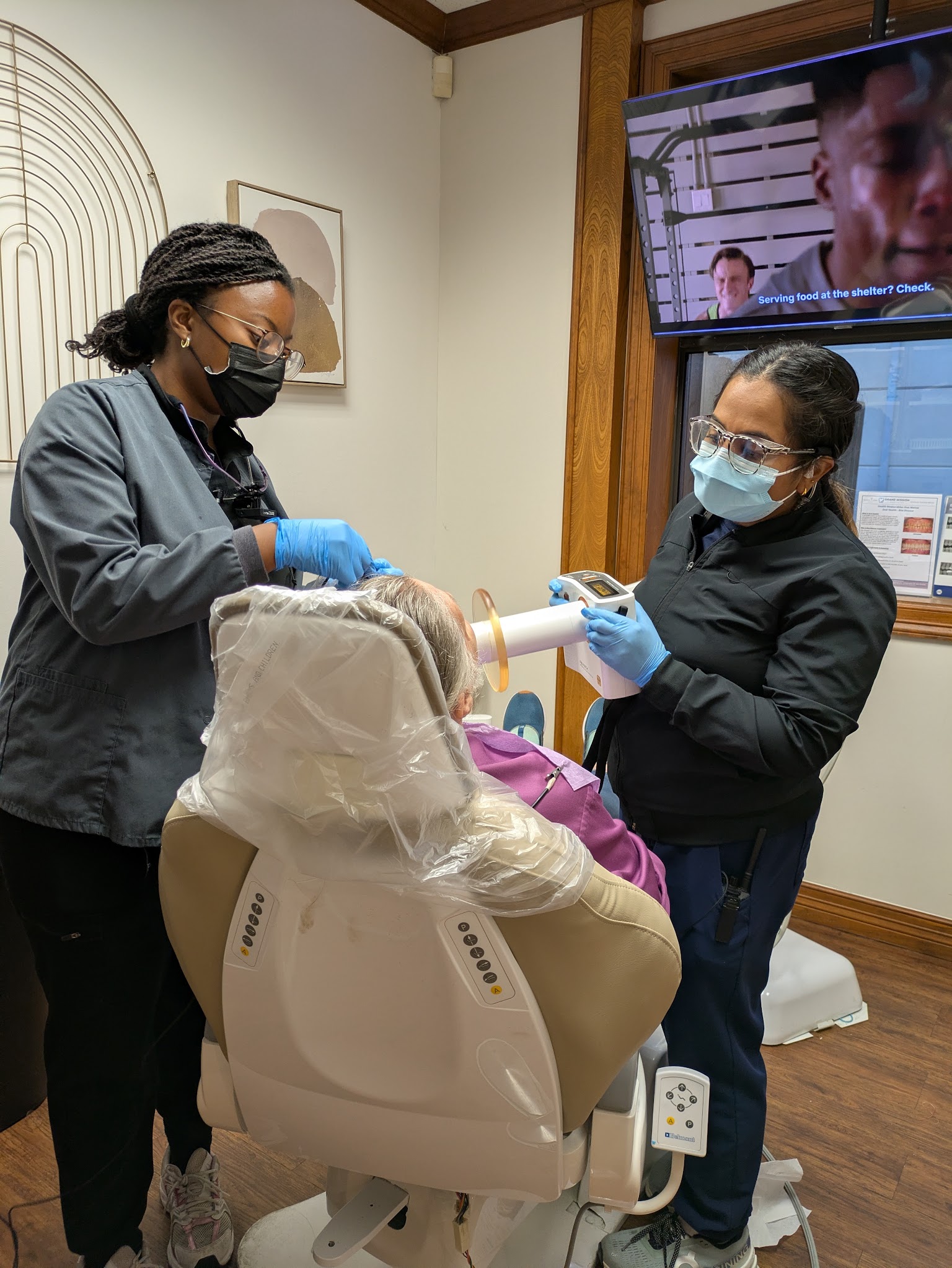
A varnish brushed on after the cleaning. It hardens enamel, and it can rebuild the earliest damage before that damage becomes a cavity.
Is this you
Everyone gets fluoride from toothpaste and tap water. These five get meaningfully more from a professional application.
Brackets trap food and plaque where a brush does not reach, and that raises decay risk sharply.
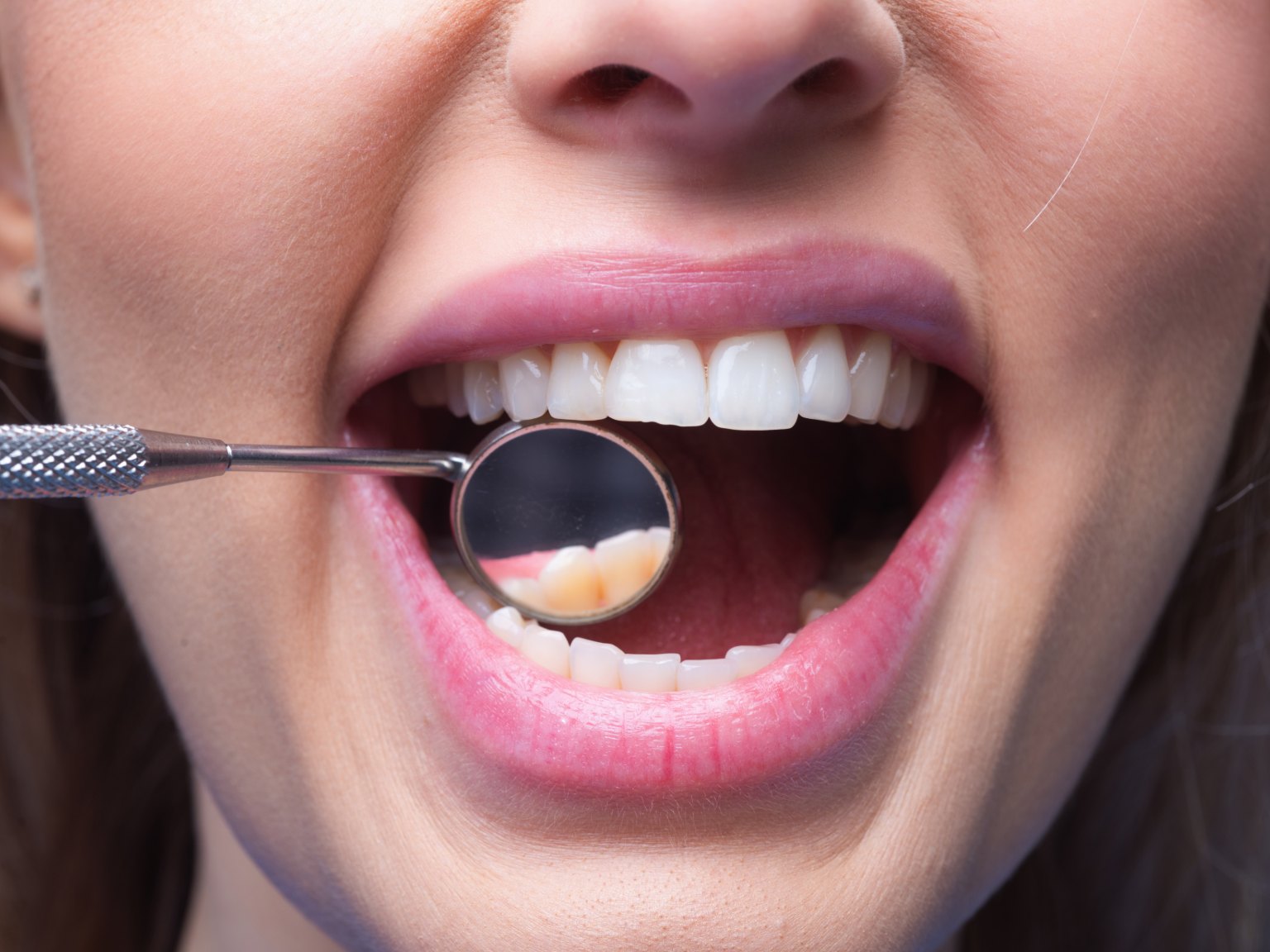
Less saliva means less natural protection. It is usually a side effect of medication rather than anything you are doing.

Enamel thins with age, and dry mouth is common alongside it.
Same dayAsk at your cleaning
This is not a separate trip. It takes minutes at the end of a routine visit.
The Treatment
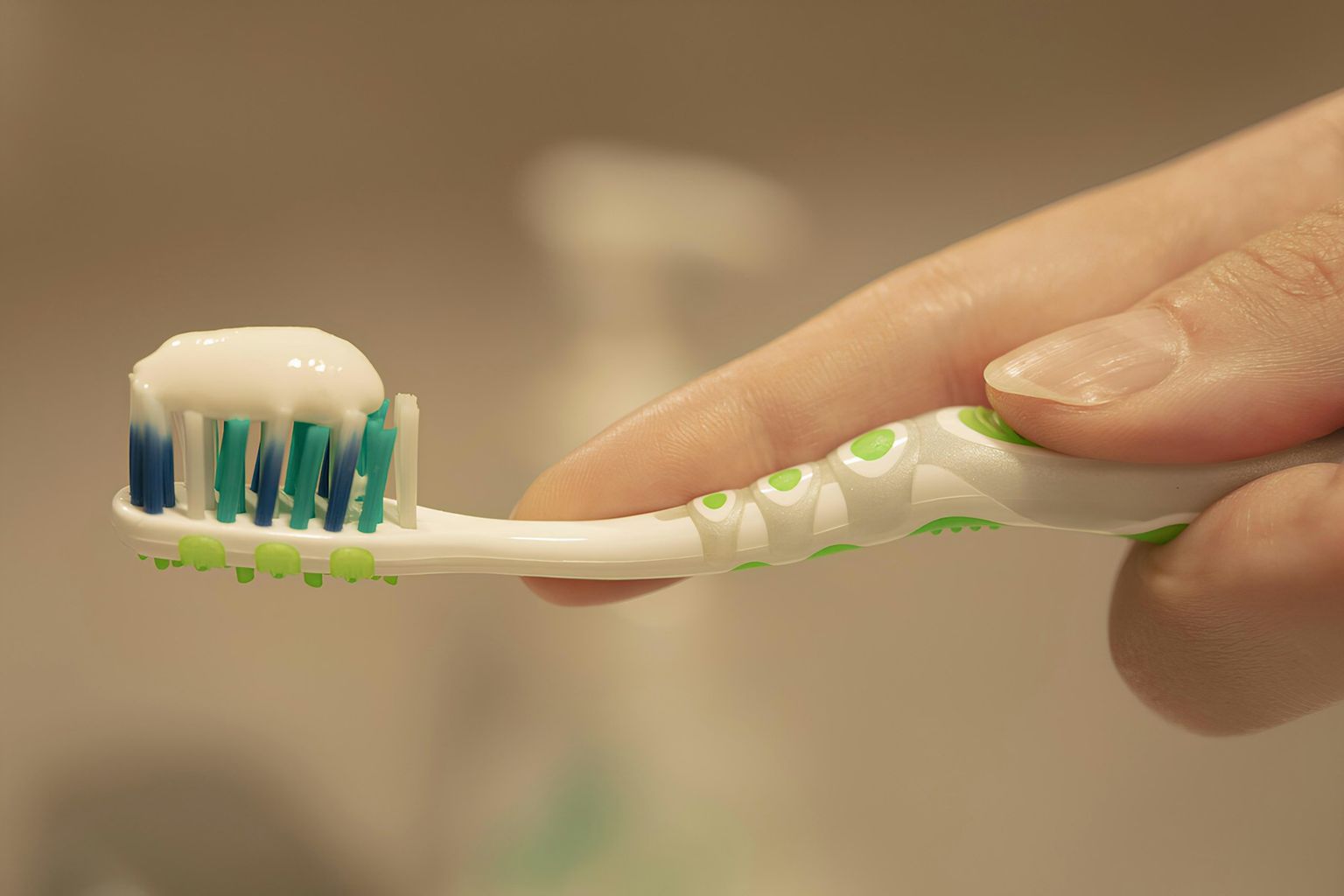
A concentrated form of a natural mineral, applied directly to the teeth. Fluoride strengthens enamel — the protective outer layer — so it resists the acids and bacteria that cause decay.
Fluoride treatment involves applying a concentrated form of fluoride directly to your teeth. Fluoride is a natural mineral that strengthens tooth enamel — the protective outer layer of your teeth. When enamel is fortified, your teeth become more resistant to decay and erosion caused by acids and bacteria.
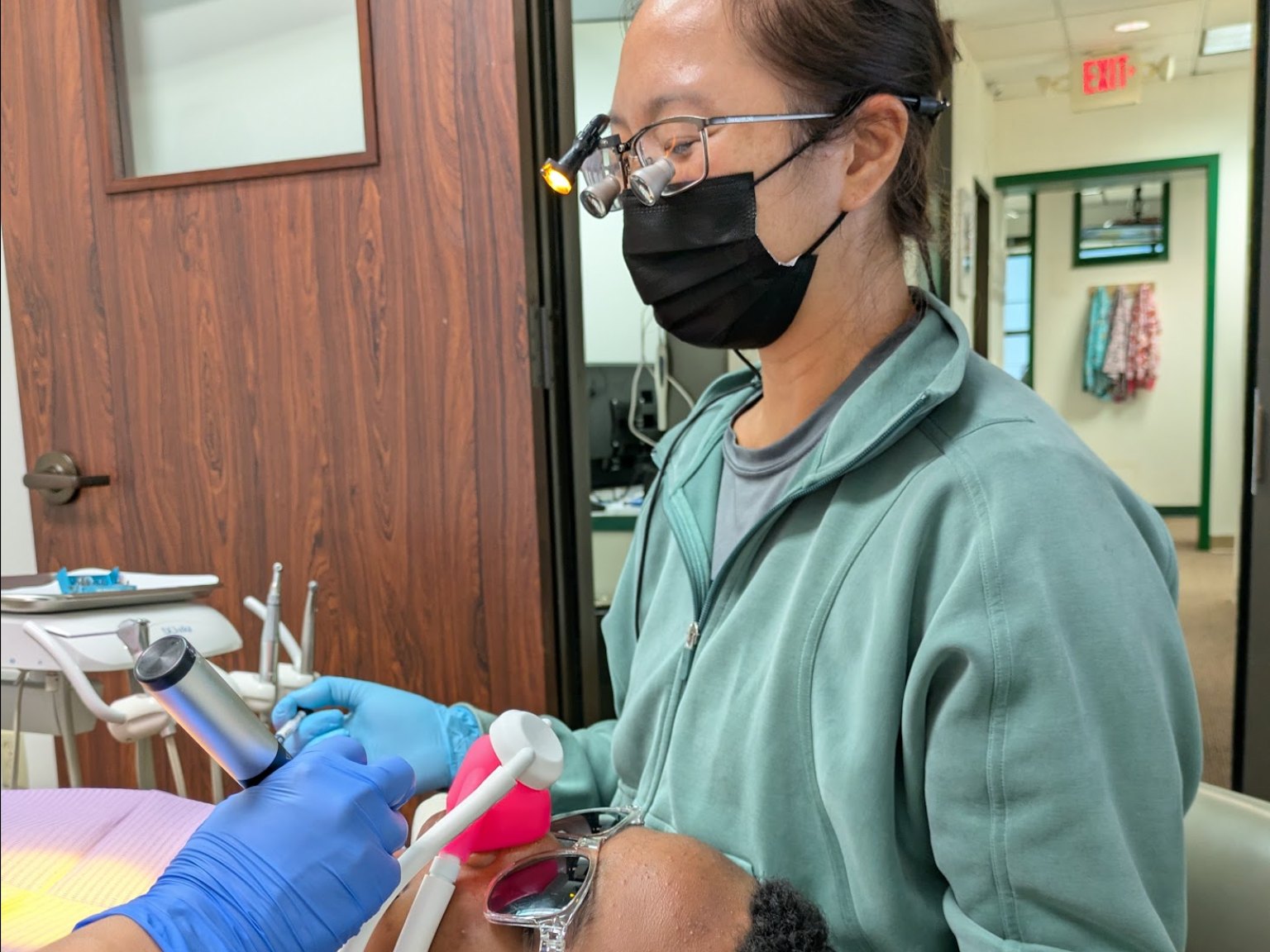
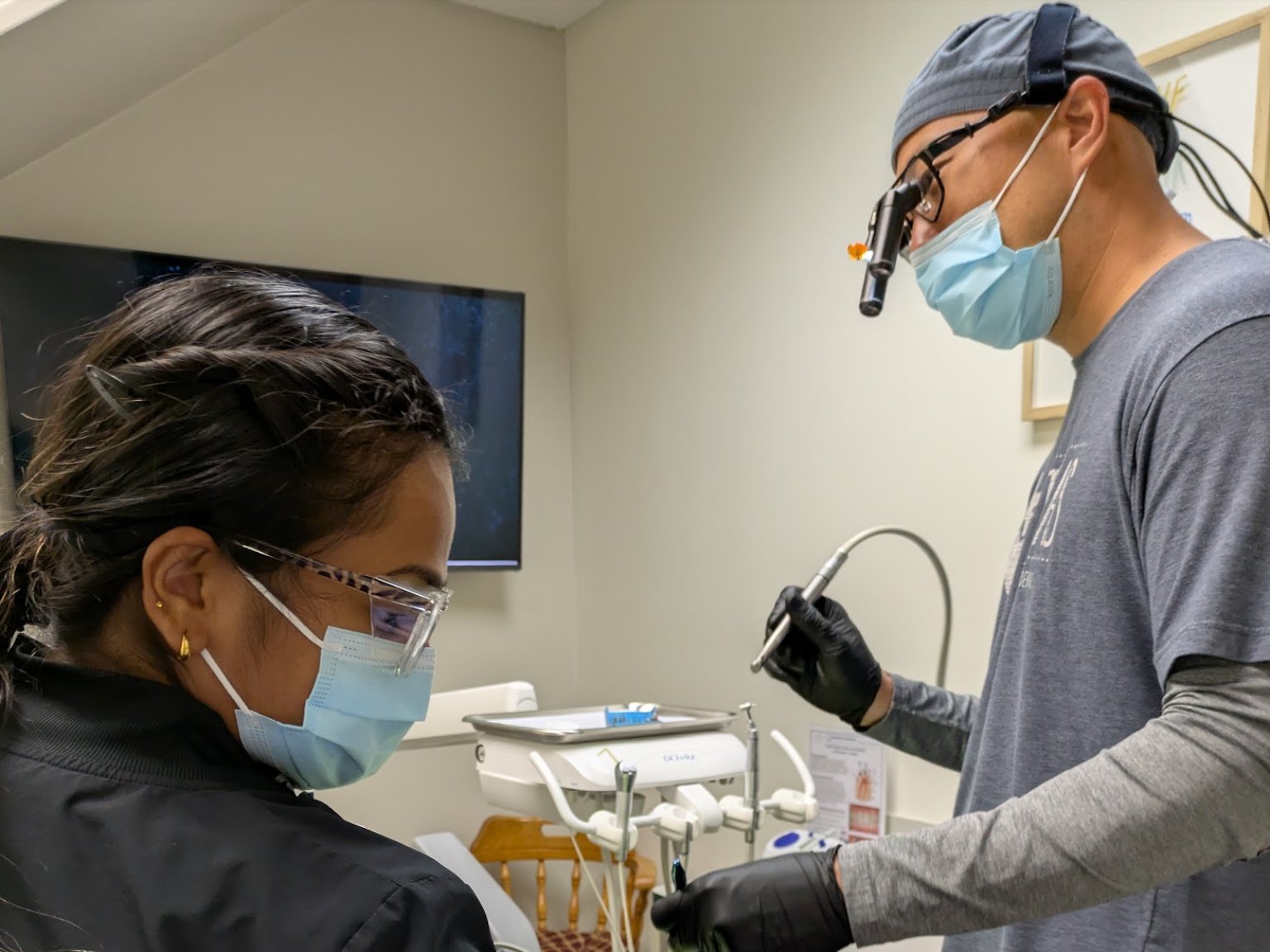
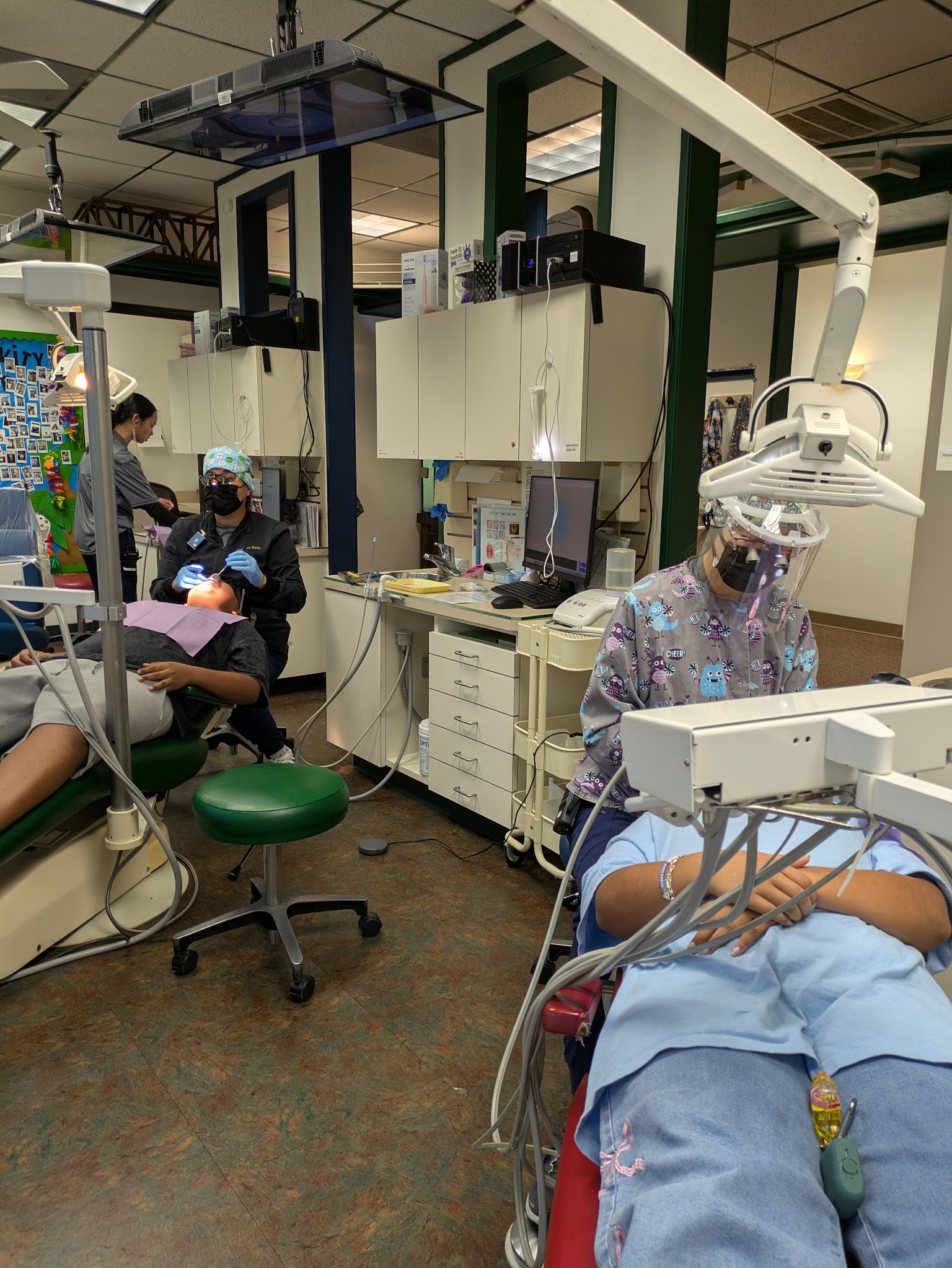
At Mason Park Dental, we provide professional fluoride applications during routine dental visits or whenever patients need an extra boost for enamel protection. Daily brushing and flossing are important, but sometimes your teeth need extra help.
Four things it does, in the practice’s own order
Why This One
Two minutes at the end of a cleaning, and it is the cheapest thing on this entire site.
It slows down and sometimes undoes the first signs, before a drill is involved.
The thin places are fortified before they become cavities.
A common side benefit for patients whose enamel has already thinned.
Brushed on, or a few minutes in a tray. Nothing is drilled and nothing is numbed.
Fluoride, sealants and regular cleanings are one shield, not three treatments.
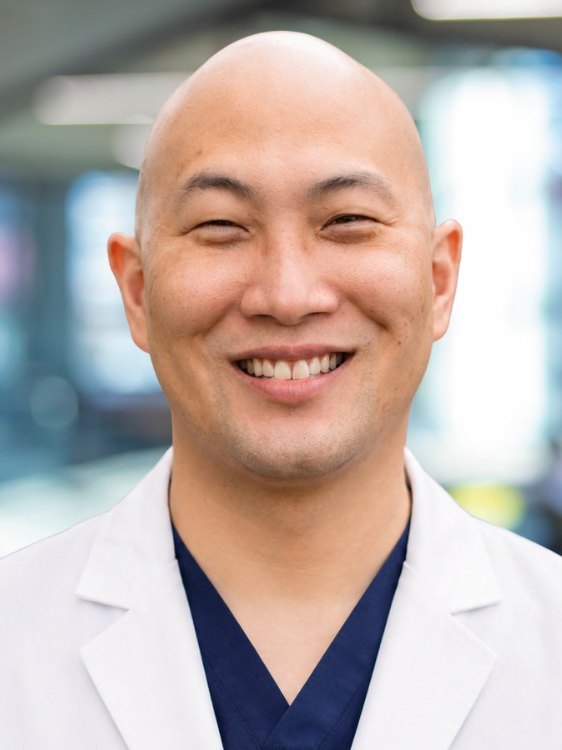
Your dentist
Dr. Dave Cho matches the fluoride to the risk in front of him — an adult with braces and an adult with dry mouth are not the same appointment.
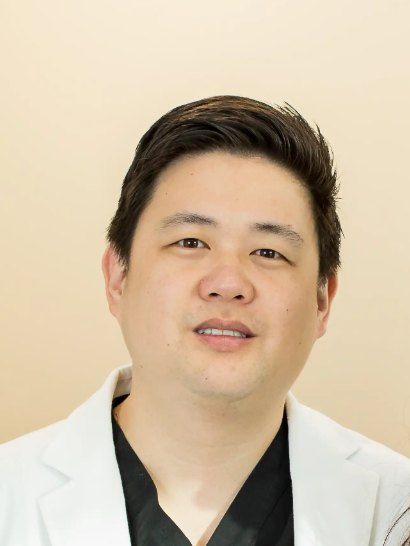 Also on the teamDr. William Sung, DMDFellow of the Academy of General Dentistry
We use the latest fluoride varnish formulations to deliver maximum enamel protection, tailored to whether you need extra cavity protection or help after dental work. Fluoride isn’t just a treatment — it complements regular cleanings, exams, and sealants to create a comprehensive shield against decay.
Preventing cavities and reducing the risk of gum infections also lowers the chance of infections spreading elsewhere in the body. A healthy mouth supports a healthier life.
The Path
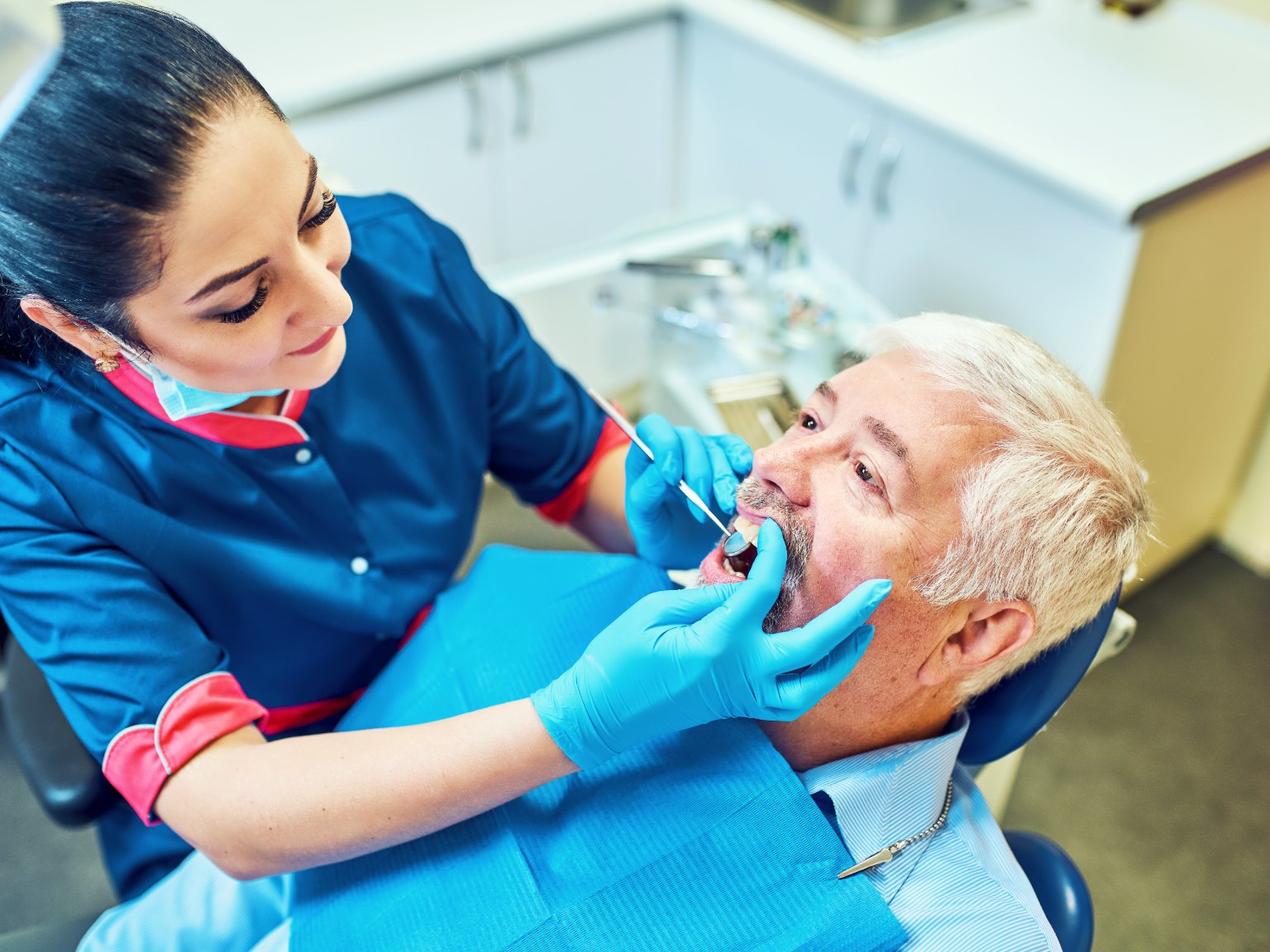
A checkup of the teeth and gums first, so the fluoride is aimed at what is actually happening.
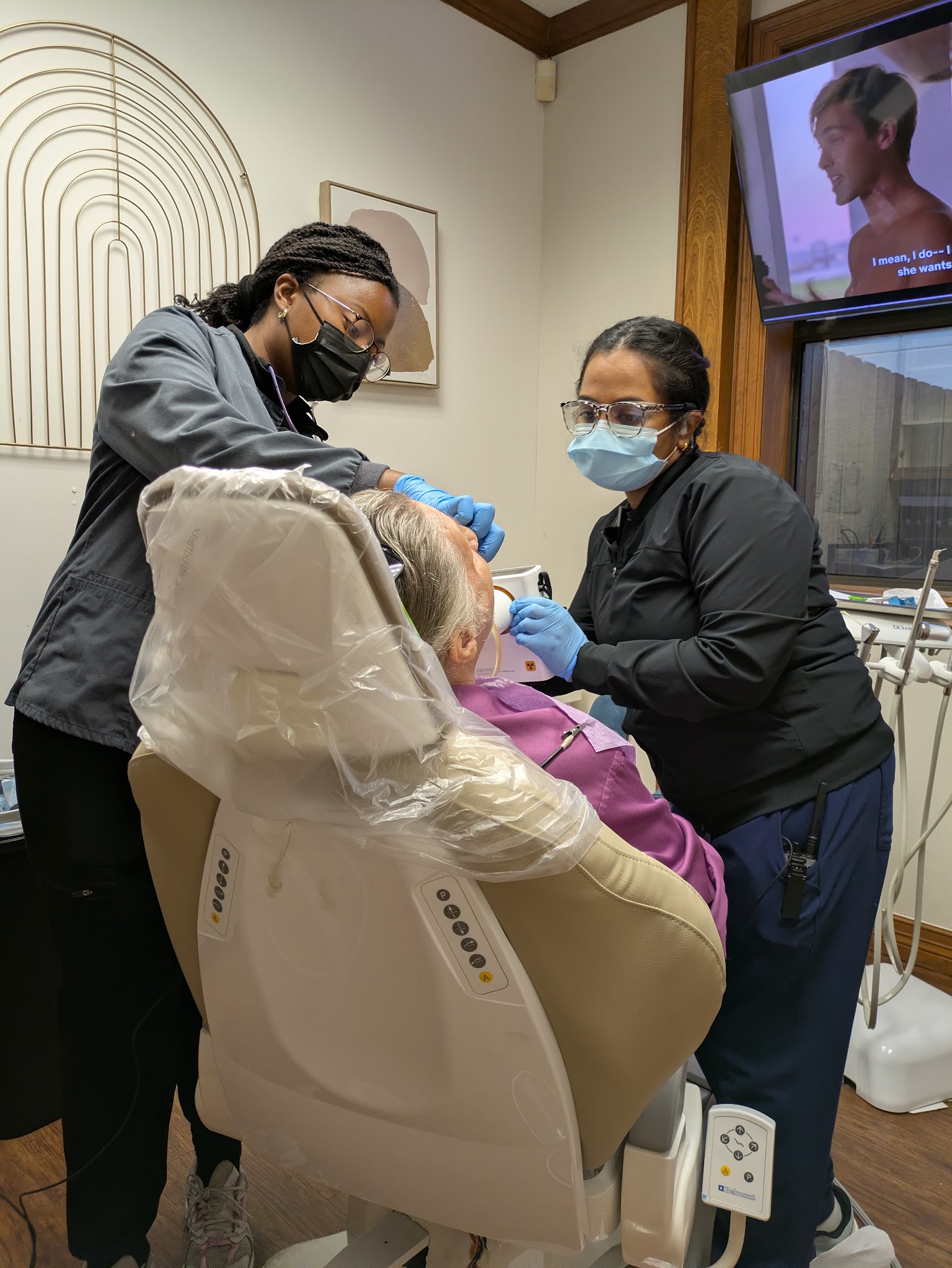
Plaque off first. Fluoride absorbs into enamel, not into the film over it.
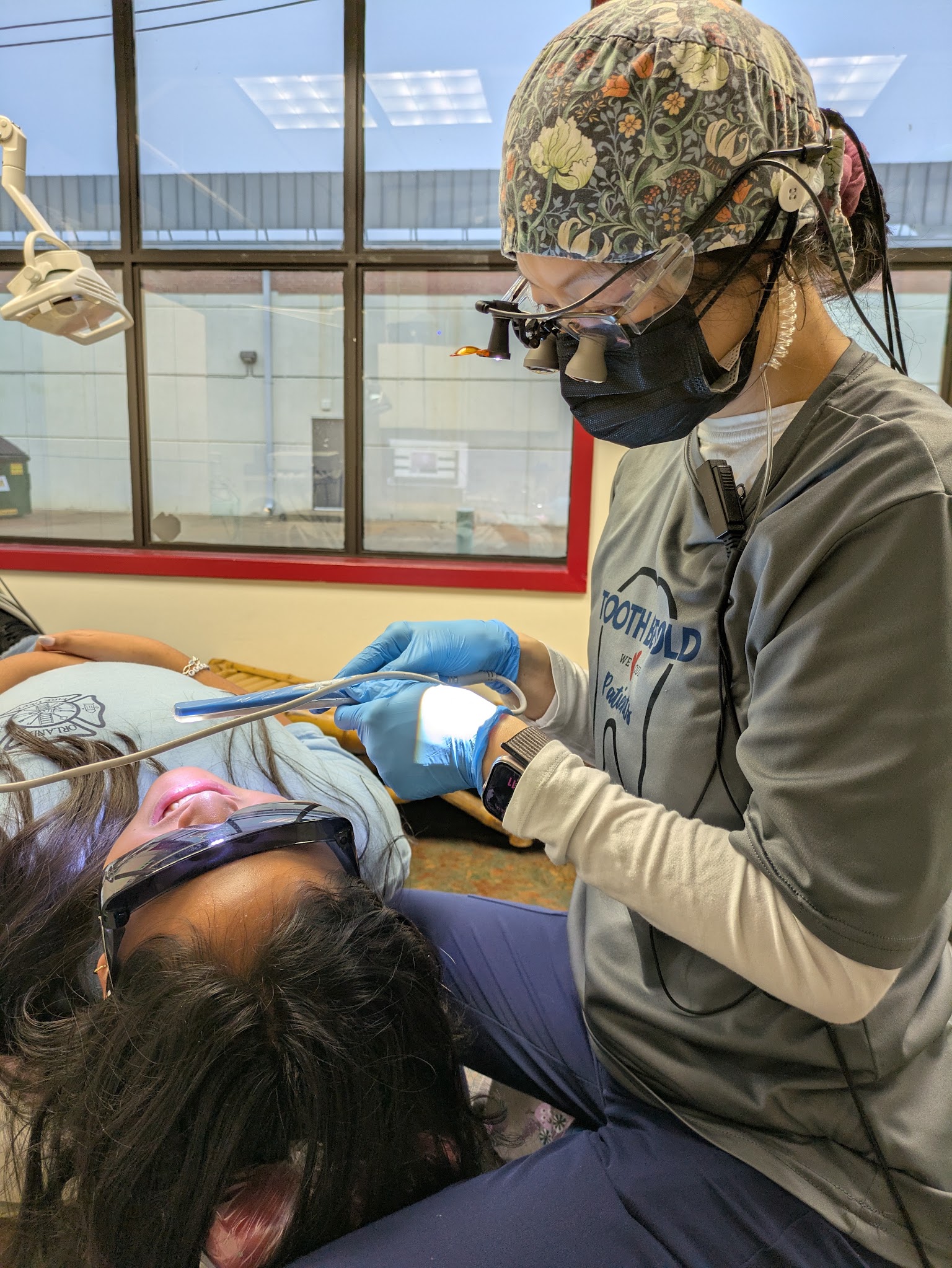
A varnish, gel or foam, brushed on or held in a tray for a few minutes. Fast, and painless.
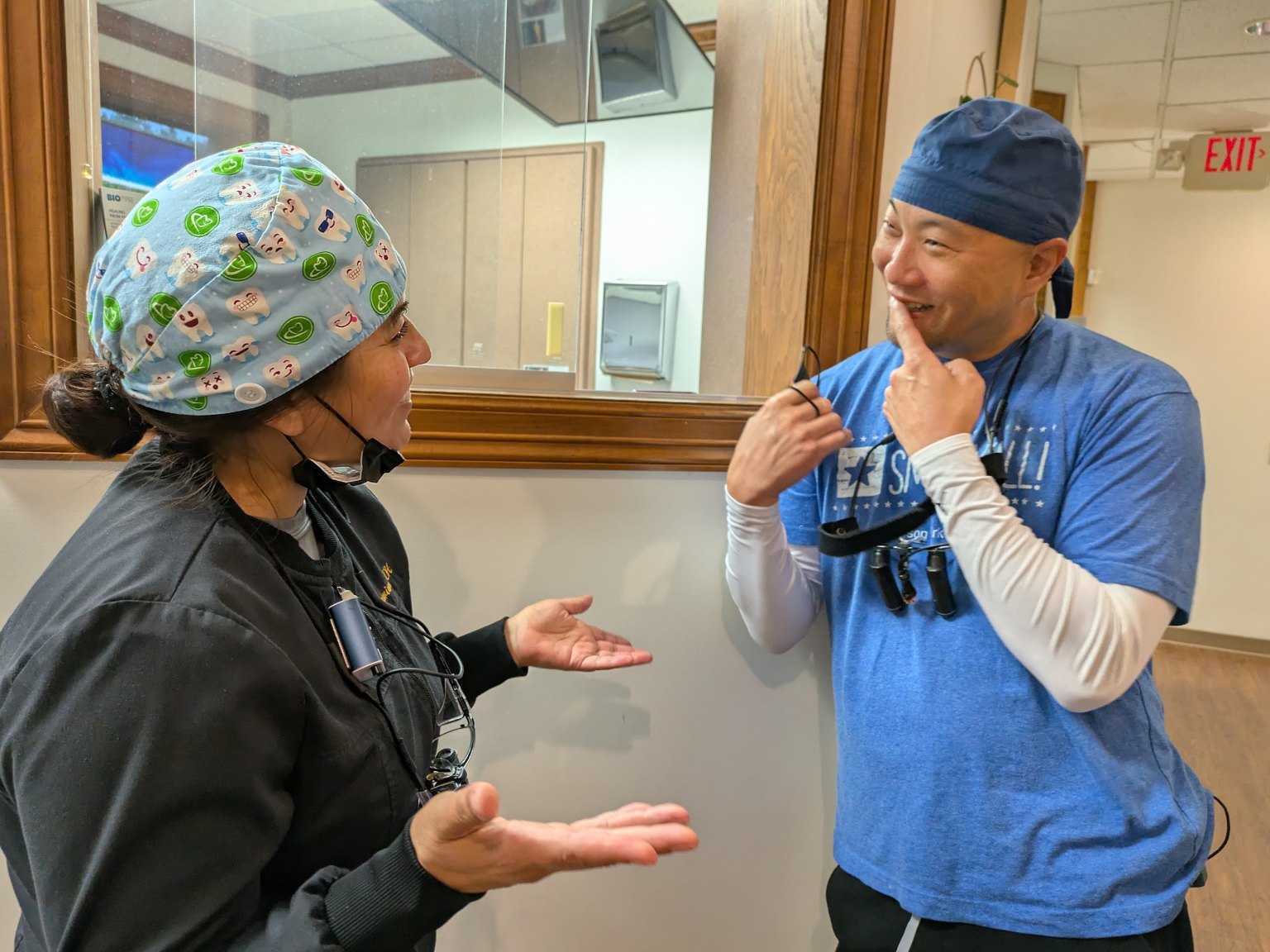
Nothing to eat or drink for half an hour afterwards. Soft food for the rest of the day if there is any sensitivity.
Same-day appointments are available, and this can simply be added to a visit you already have booked.
Book an appointmentOr call (281) 769-8878
The Alternatives
These are not alternatives to each other. Keep brushing; this is the top-up.
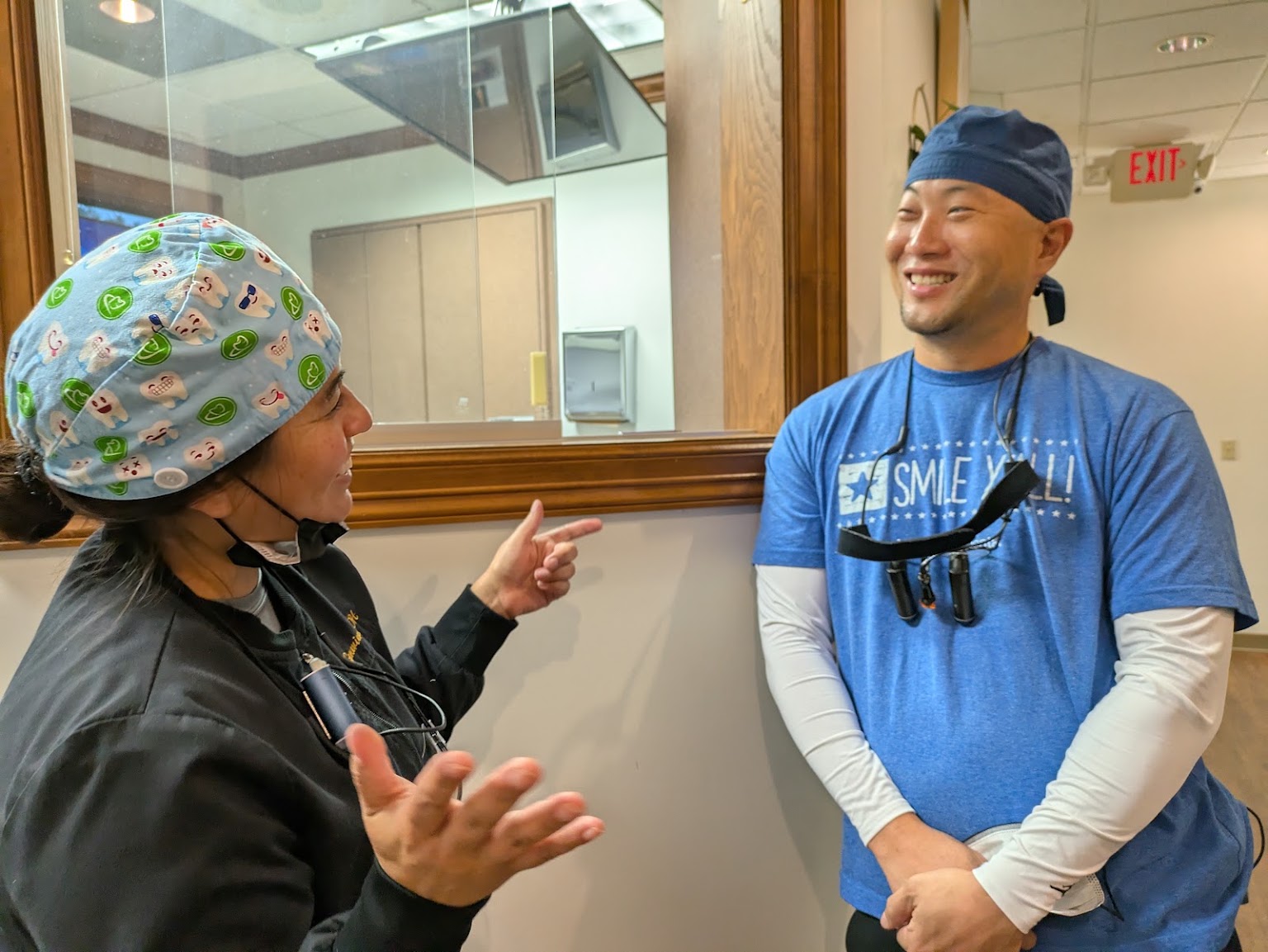
Fluoride is one of four preventative measures, and it works best when the other three are in place.
The Cost
The practice’s position is that preventive dental care should be affordable for everyone, and this is the cheapest preventive treatment it offers.
MinutesAdded to a visit
Transparent pricing, quoted at the front desk before it is done.
Many plans cover fluoride treatments. We check yours.
Insurance-friendly billing and flexible financing. See insurance and financing and the savings plan.
The Proof
My son had his cleaning and X-rays this week. The staff was incredibly efficient and really detailed about the whole process. Even though my son had a huge fit since it was his first time getting X-rays, I feel like the staff genuinely cared about how he felt and tried their best to comfort him throughout the process.
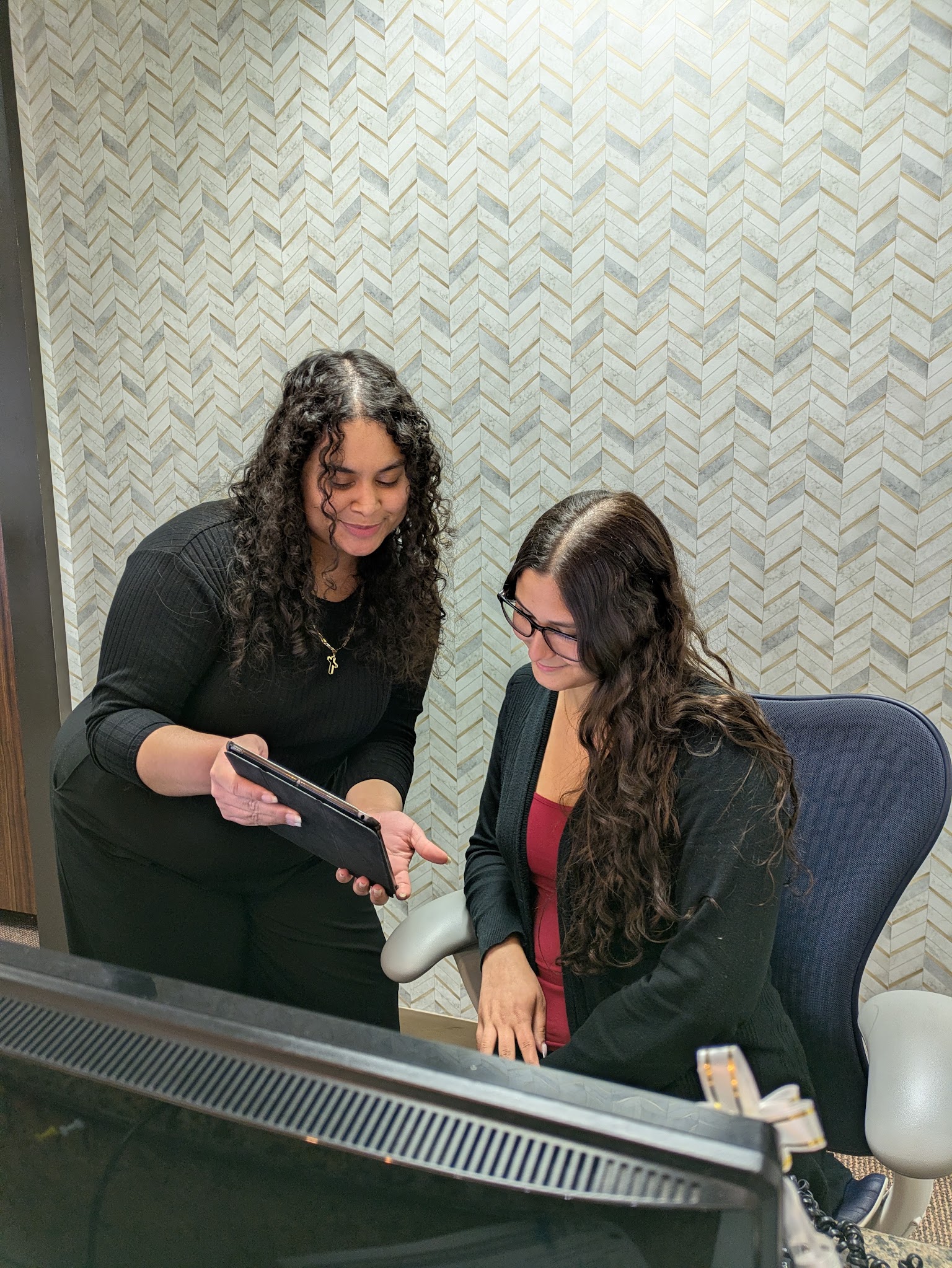
Had my cleaning and exams today, and the staff was super friendly. They explained everything in detail and made me feel at ease. Not just a routine visit, more like a mini spa for my teeth. A great feeling knowing they really look after your health too. Highly suggest making this place your go to.
Oluwatoyin Dominic
Found our family dentist!
Melissa Merino
Had a very good time at the dental office. The cleaning was thorough and Genevieve did an amazing job! The high tech tools made me feel at ease. It’s a calm atmosphere, which is just what anyone needs before a visit. Definitely a convenient place for dental care. Highly recommend it for anyone needing cleaning and exams.
Glenn Adrian De La Garza
Questions
Yes. They are safe, fast and effective. Fluoride varnish in particular dries quickly and carries minimal ingestion risk.
It can reverse the earliest stage, before a hole has formed. Fluoride remineralises weakened enamel — it rebuilds the surface. Once decay has broken through into the tooth, it needs a filling instead.
Minutes. It is brushed on, or held in a tray for a few minutes, usually at the end of a cleaning. You do not need a separate appointment.
Not for at least 30 minutes, so the fluoride has time to work on the enamel. Stick to soft foods for the rest of the day if you notice any minor sensitivity.
No. Adults with fillings or crowns benefit from it protecting that work, patients with dry mouth benefit because reduced saliva means higher cavity risk, and seniors benefit because aging enamel thins.
It depends on your risk rather than on a schedule. Dr. Dave Cho recommends a frequency based on your cavity history, your medications, and what the exam finds.
The Invitation
You do not need to book this on its own. Ask for it at your next cleaning, or mention it when you call.