
01
A toothache that will not stop
Persistent rather than occasional, and not tied to what you just ate.

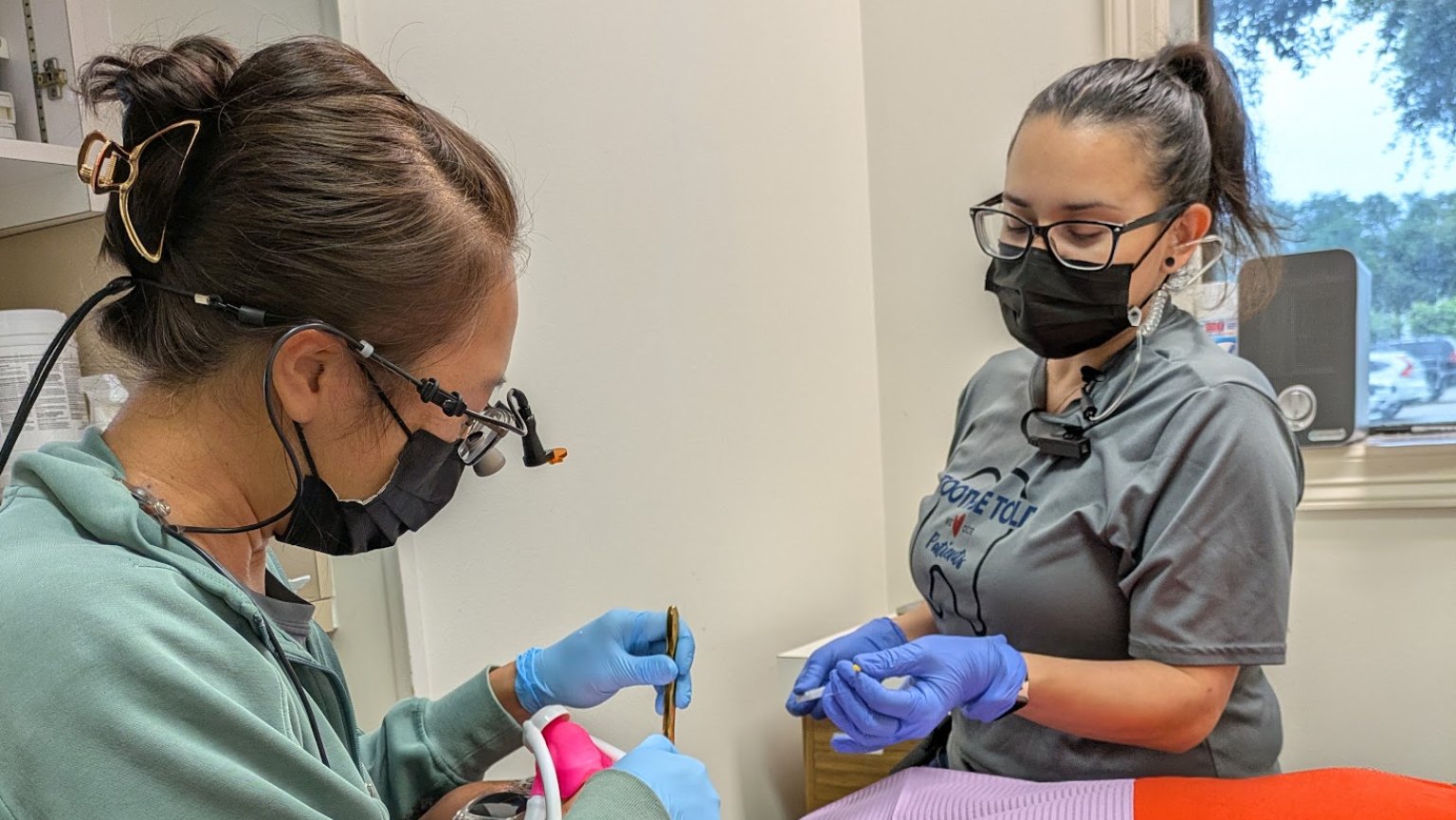
The treatment that ends the pain and keeps the tooth. Over 95% of them succeed, and the tooth can last a lifetime.
Is this you
Not every toothache is a root canal. These five are the signs the practice looks for.
Persistent rather than occasional, and not tied to what you just ate.

And keep hurting after the drink has gone.

Near the tooth, in the gum, or in the face.
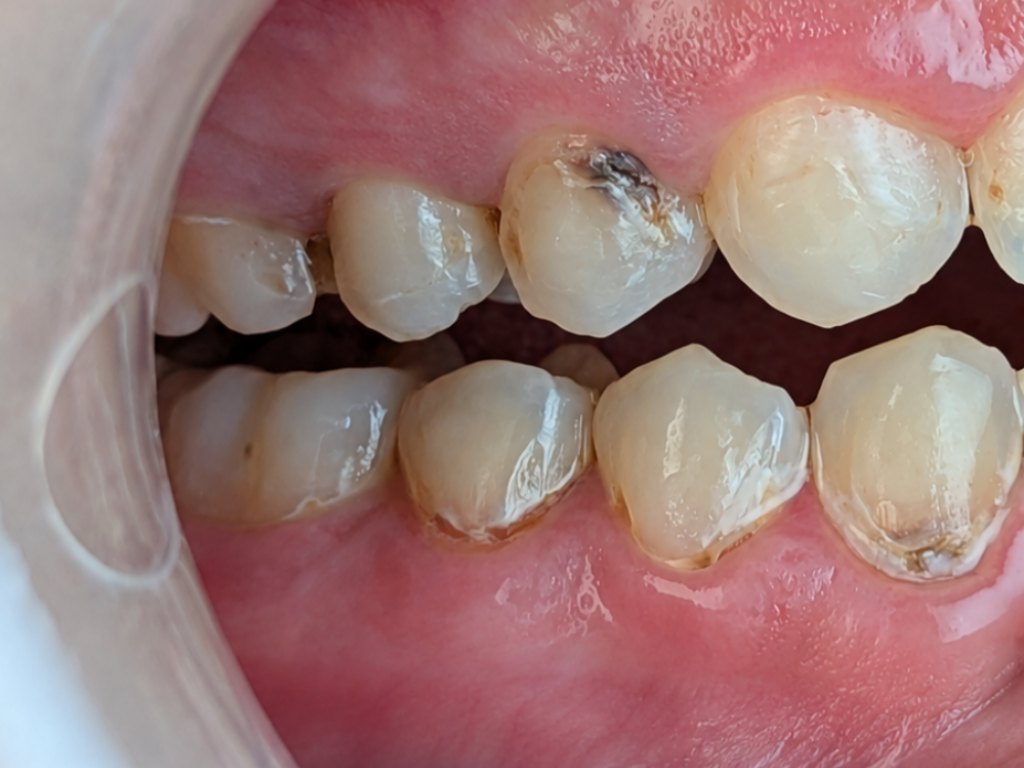
One tooth greyer than the rest is often a dead nerve.
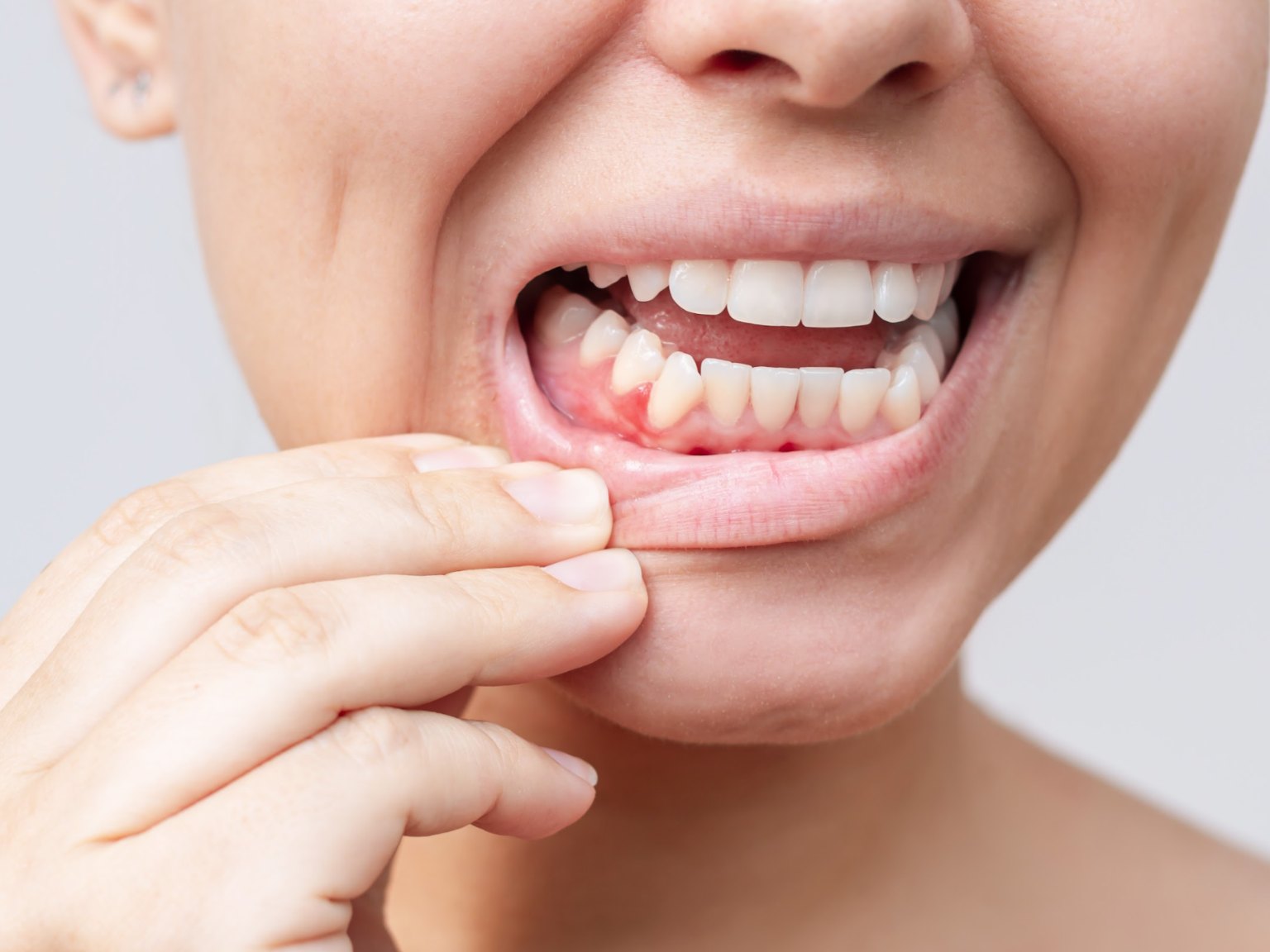
A recurring spot beside the tooth is an abscess draining.

Call today(281) 769-8878
Same-day slots are kept for pain. Left alone, the infection spreads to the bone and the tooth is lost.
And the five that mean today, not next week
The Treatment
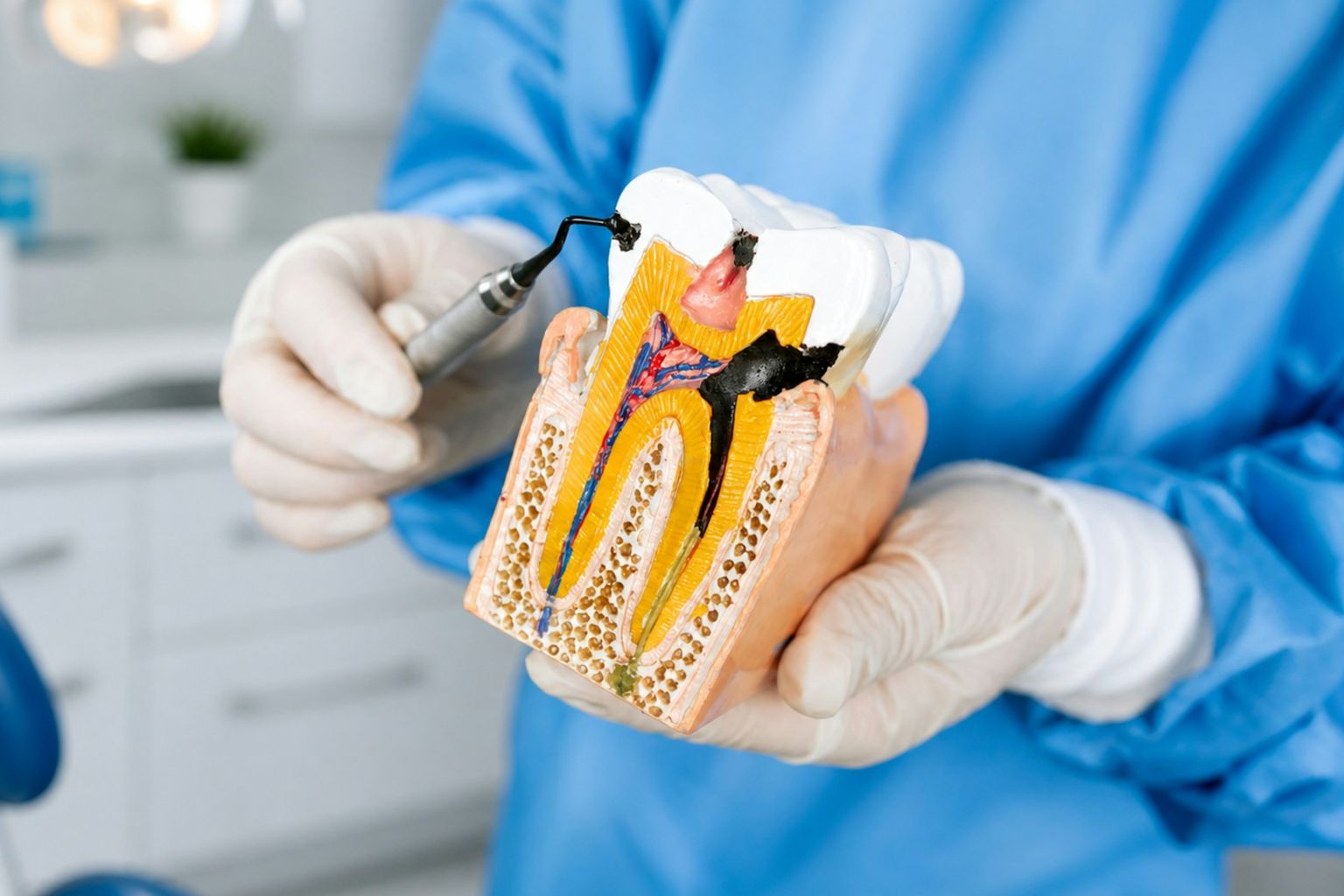
The infected pulp is taken out of the tooth, the canals inside are cleaned and shaped, and the tooth is sealed. The pain goes with the infection, and the tooth stays in your mouth.
Root canal therapy is a dental procedure designed to treat an infected, decayed, or injured tooth. Inside every tooth is a soft tissue called pulp, containing nerves and blood vessels. When the pulp becomes infected due to deep decay, trauma, or cracks, it can cause severe pain and lead to tooth loss if left untreated. Endodontic treatment involves removing the infected pulp, cleaning the inner canals, and sealing the tooth to restore its function and appearance.
The dental pulp, located in the center of your tooth, is vital during your tooth’s developmental years. It contains blood vessels, nerves, and connective tissue. Once your tooth is fully mature, it can survive without the pulp. When bacteria invade the pulp due to decay, cracks, or trauma, the infection can spread beyond the root, causing severe damage.
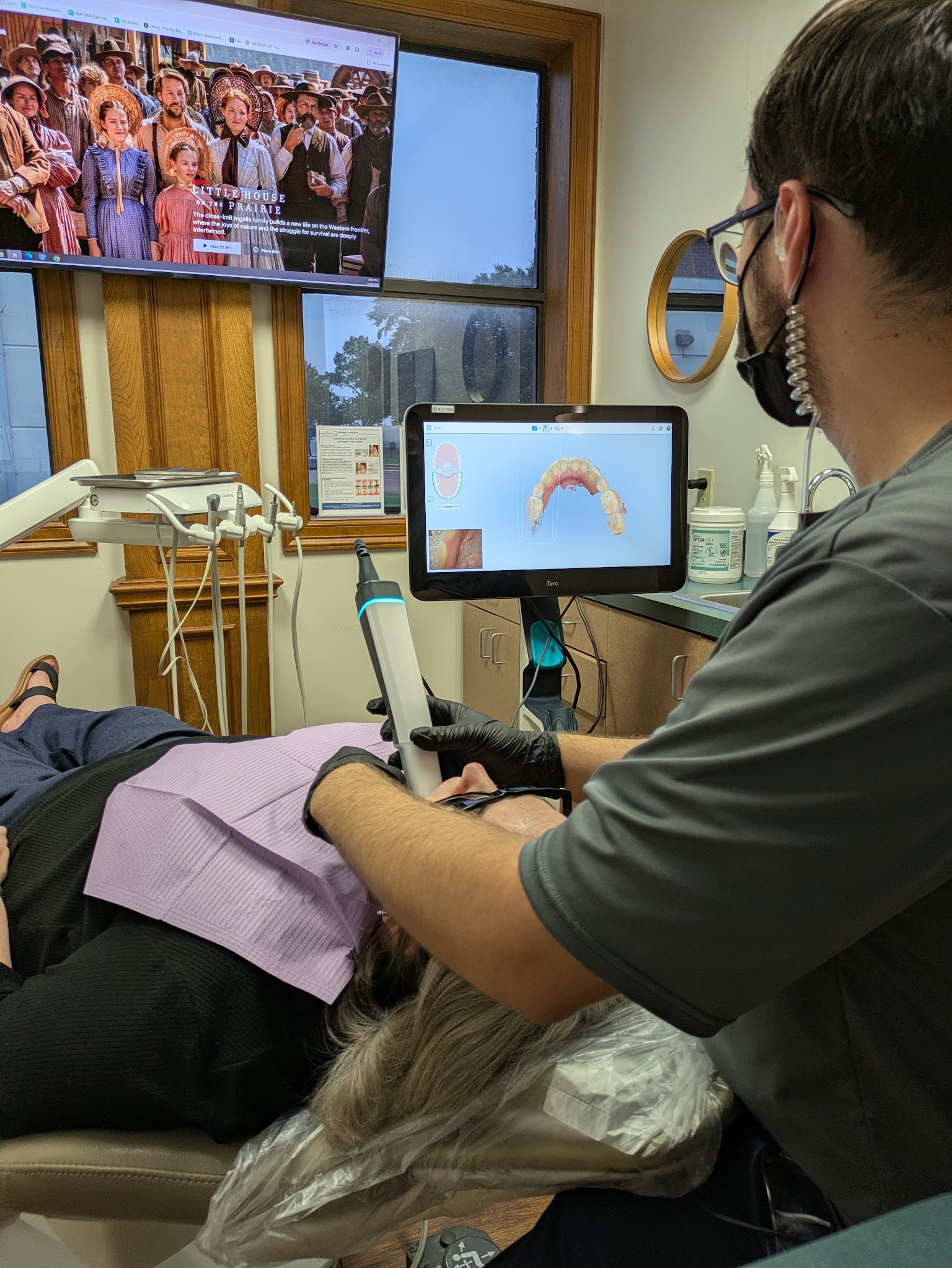
The technology the practice uses for it
Why This One
The point of the treatment is not the treatment. It is that you keep the tooth you were born with.
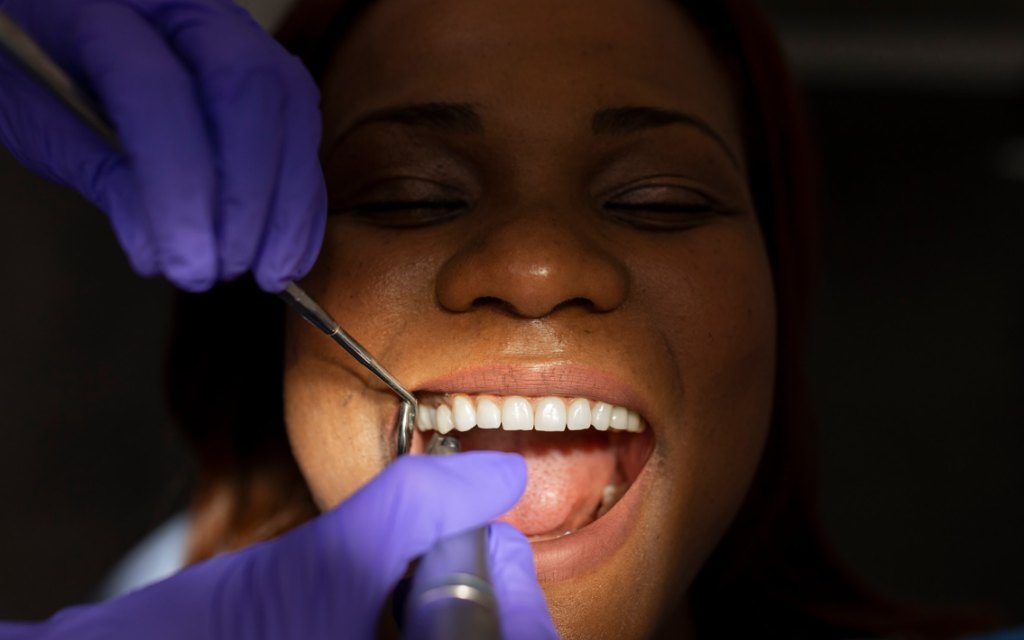
The source of it is removed, not masked.
Your bite alignment and your jawbone stay as they are.
It does not reach the neighbouring teeth, the gums or the bone.
Less invasive and less expensive than an extraction and a replacement.

A tooth kept is bone kept, and bone is what holds the face up.
An untreated dental infection can enter the bloodstream. Treating it early is not only about the tooth.

Your dentist
Patients often say the treatment was easier than they expected. That is the anaesthetic, the rotary instruments, and being told what is happening at each step.
 Also on the teamDr. William Sung, DMDFellow of the Academy of General Dentistry
Gentle techniques minimize discomfort. Local anesthesia ensures a pain-free experience. Calming amenities are available to ease anxiety. And there is clear communication at every step, so you feel confident and informed.
The Path
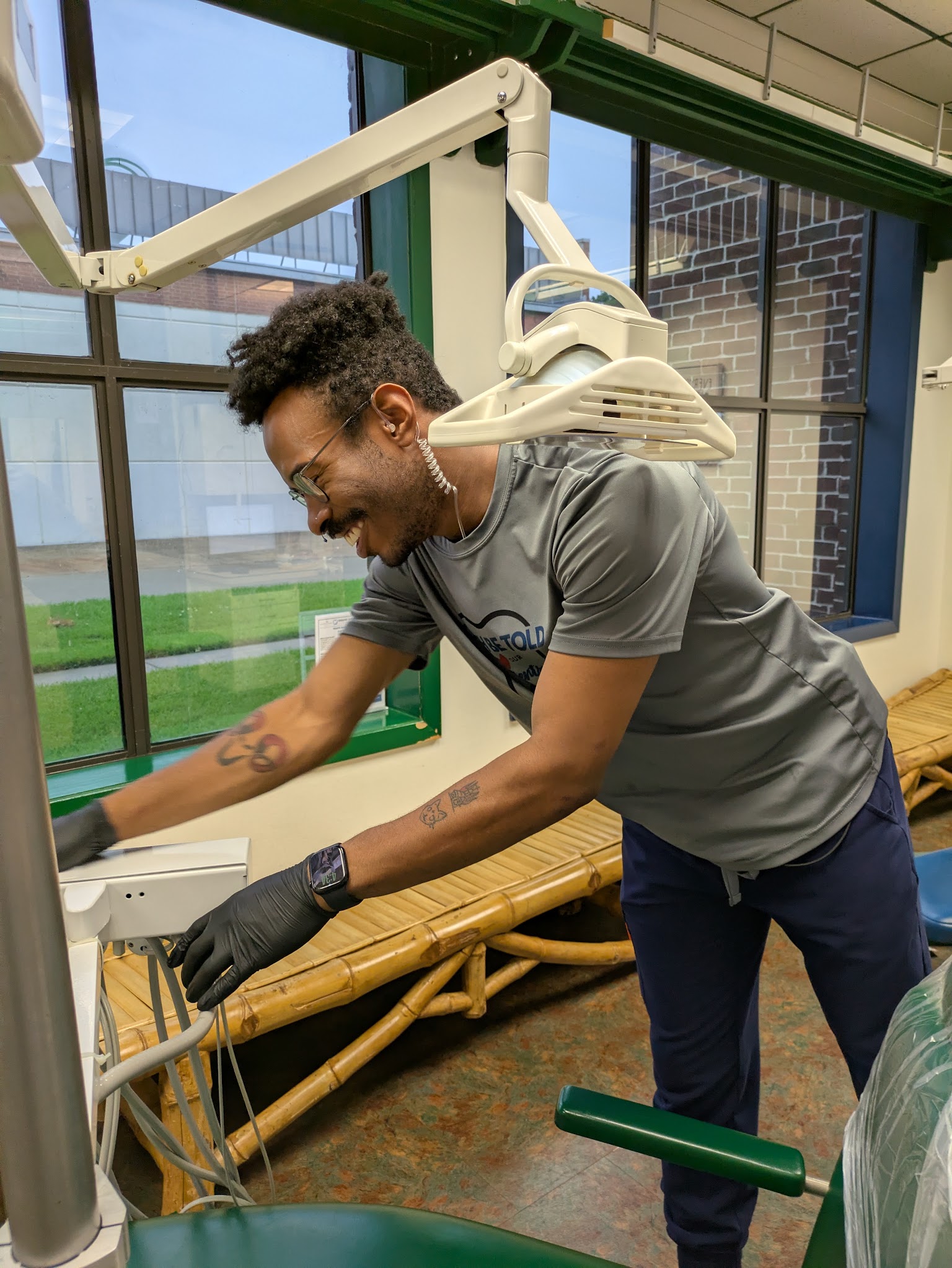
A full examination with digital x‑rays, to see how far the damage goes before deciding anything.
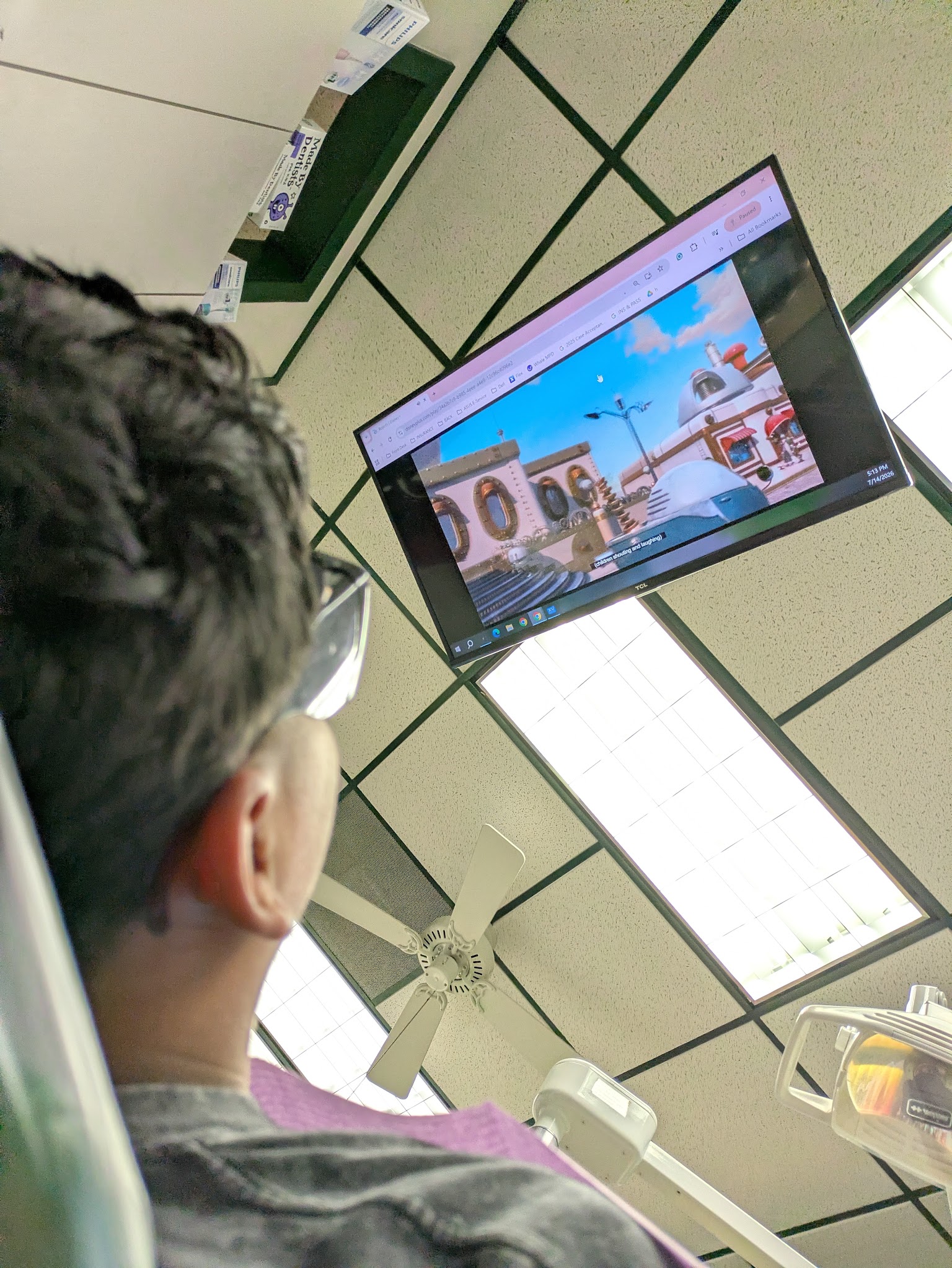
The area is numbed completely. This is the part people dread and the part that makes the rest painless.
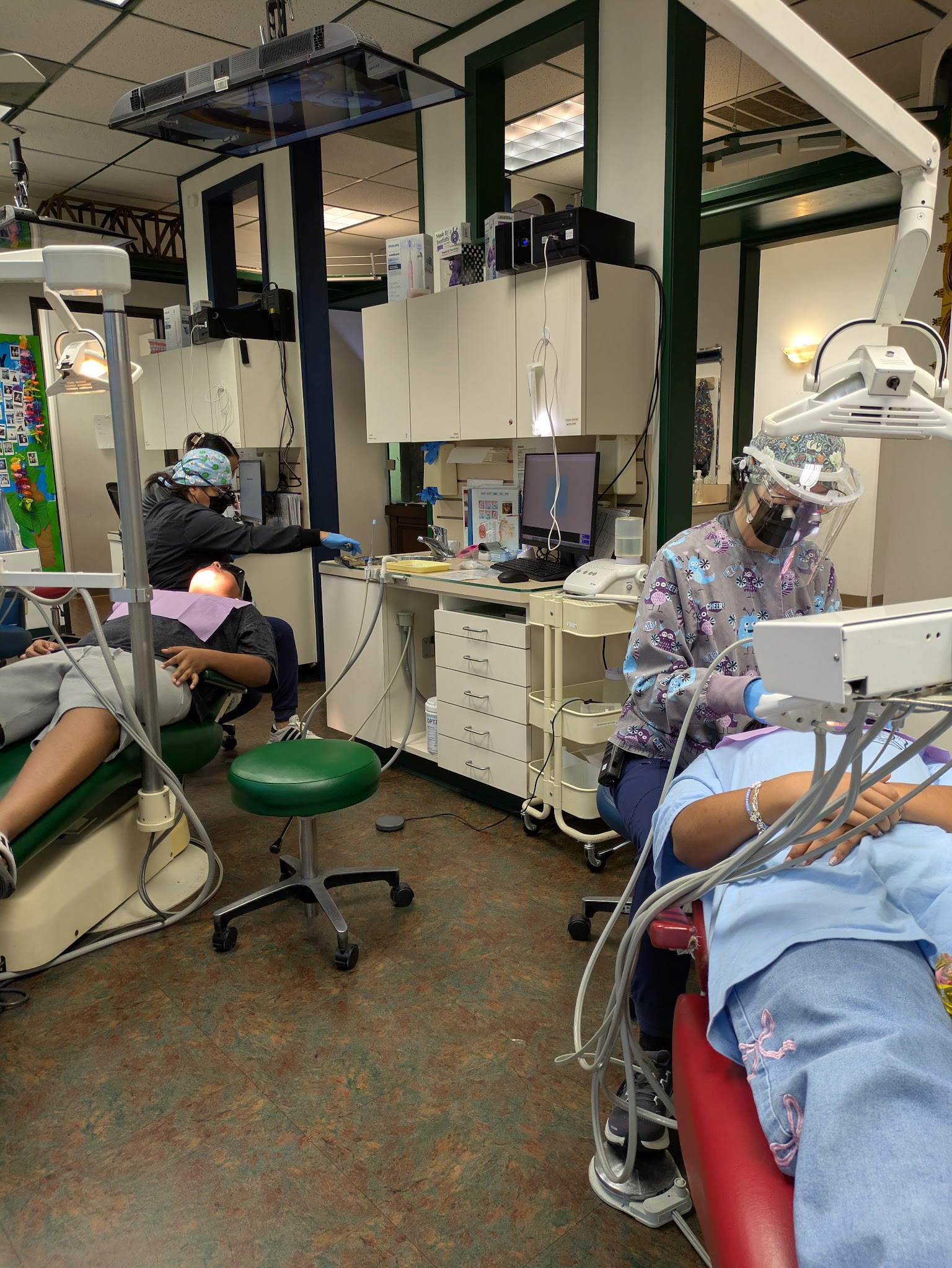
Removed from the canals with specialised instruments.
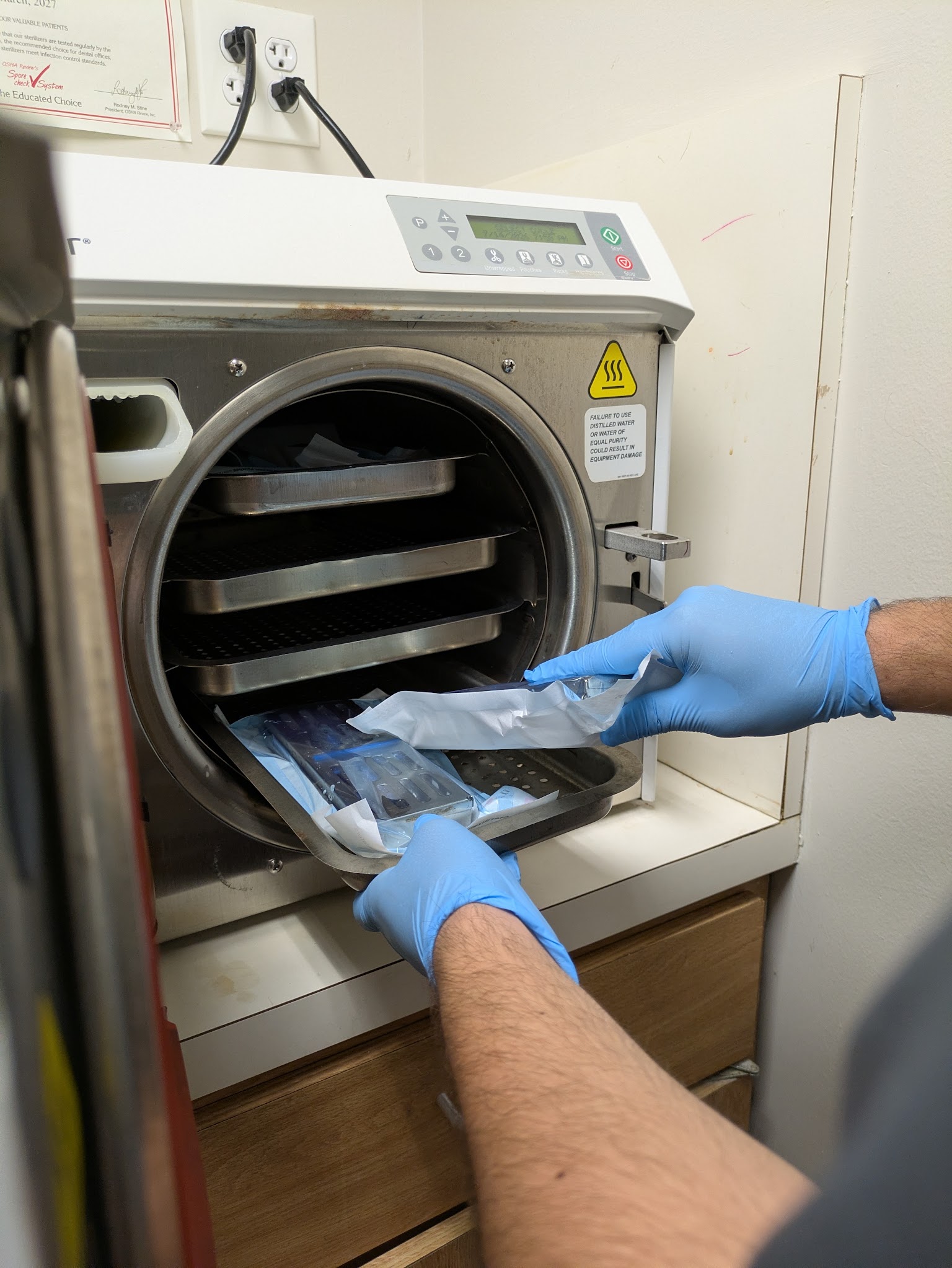
The empty canals are cleaned, disinfected and shaped so the seal will hold.
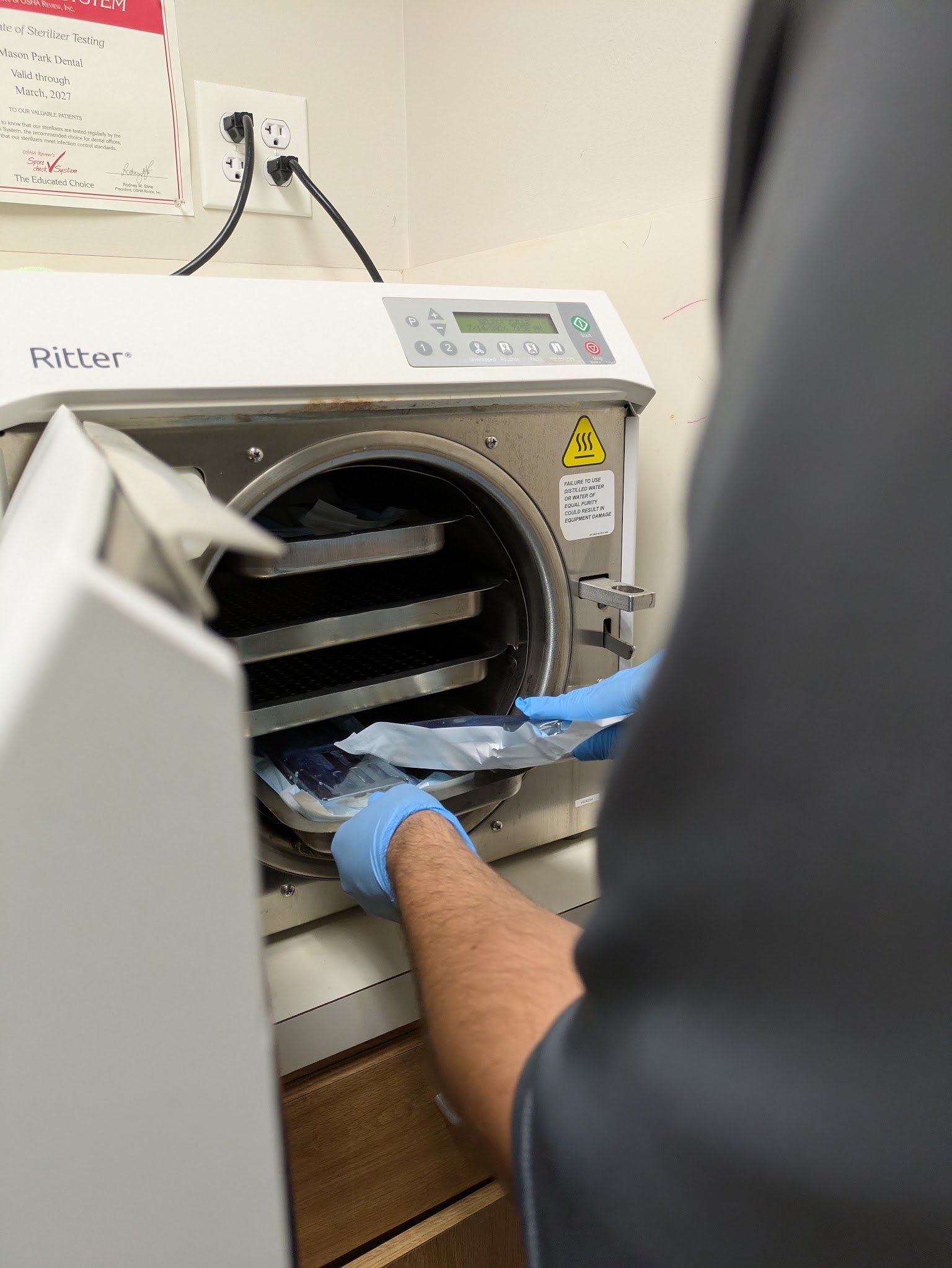
Filled with gutta-percha, a biocompatible material, and sealed against future infection.
A filling or, more often, a crown, to give the tooth its strength back.
Acting quickly is what saves the tooth. Waiting is what turns a root canal into an extraction.
Call (281) 769-8878Or book online
The Alternatives
Where the tooth genuinely cannot be saved, extraction is the honest answer, and Dr. Dave Cho will say so.
Prevention is cheaper than every treatment on this page, and this list is the whole of it.
After
A treated tooth can last a lifetime with proper care. Three things decide it: how well the canals were sealed, whether it got a crown, and what you do afterwards.
A lifetimeWith proper care
Precision cleaning and sealing, a high-quality crown, and your own hygiene are what get it there.
Brush twice with fluoride toothpaste, floss daily, and use an antibacterial mouthwash.
Avoid very hard foods on that tooth until the permanent crown is placed. It is brittle until then.
The Proof
Everyone there is very nice. They were able to see my son within a day of calling. My son had a horrible experience with an extraction as a little boy and he was nervous to have a tooth pulled again. They made him feel at ease. Afterwards he said he didn’t feel a thing. Updated 11/1/23 — I visited the office for myself this time. Karen was gentle while cleaning & explained everything really well. Next I’ll be bringing my other son. 5 out of 5 recommend coming here for your dental needs. 8/19/2026 Coming here is always a pleasure. The staff is amazing.

Very friendly staff and were willing to help in every way! Felt more comfortable here than at any other dentist office in the past, highly recommend!
Gabriel Sanchez
The staff here is super friendly and informative. Just had my cleaning and exams done, and they were thorough without being rough. The dental filling went really well, didn’t hurt one bit, and they took extra care to ensure it looked great. Overall, a very clear and calm vibe in the office. Highly recommend checking them out for your family dentistry needs.
Reem Almekhlafi
Great, Jenn and Dr Cho are very kind and communicative. Clean and friendly clinic
Ammaar Ahmed
Questions
With modern technology and anesthetics, root canal therapy is virtually painless. It relieves the pain you already have — that is what it is for.
Extraction should be the last resort. A root canal saves your natural tooth, maintaining your bite alignment and jawbone integrity. Extraction often leads to the need for an implant or a bridge, which is more expensive and more time-consuming. Keeping your natural teeth means better oral function and appearance.
No. This outdated theory has been debunked by scientific research. Root canal therapy is safe and effective for treating infection. What does affect your health is leaving the infection untreated: bacteria can enter the bloodstream and contribute to heart infections, respiratory issues and a weakened immune system.
The infection can spread to other teeth or to the jawbone. An abscess can form, causing severe facial swelling. The tooth can be lost, which then needs an implant or a bridge. And dental infections can affect your general health.
Usually. A crown protects the treated tooth from fracture, restores normal chewing and speaking, and improves the tooth’s appearance. A treated tooth is brittle without one.
Modern root canal treatment has a success rate of over 95%, and the treated tooth can last a lifetime with proper care. Precision cleaning and sealing of the canals, a high-quality restorative crown, and your own commitment to oral hygiene are what get it there.
The Invitation
If a tooth is hurting now, call rather than book. Same-day slots are kept for pain, and with this one the difference between today and next month is the difference between keeping the tooth and losing it.