03
Adults
Often never diagnosed as a child. Chronic discomfort, oral hygiene difficulty, speech issues, and periodontal problems such as gum recession.

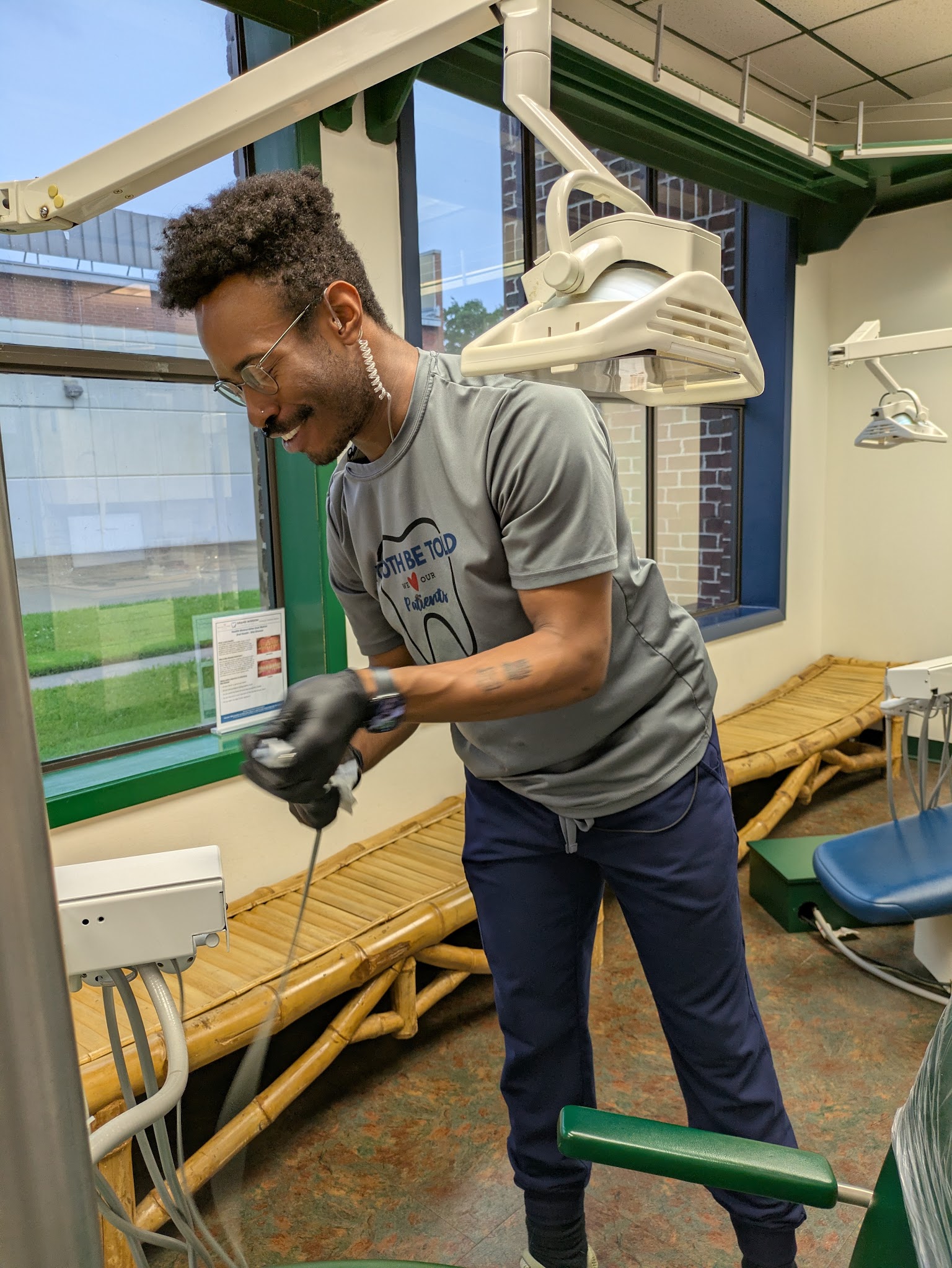
Releasing a tongue-tie or a lip-tie with a laser. Under fifteen minutes, and no stitches.
Is this you
The same restriction causes something different at every stage of life, which is why it is so often missed after infancy.
Often never diagnosed as a child. Chronic discomfort, oral hygiene difficulty, speech issues, and periodontal problems such as gum recession.
The two conditions, and what each one restricts
The Treatment

A frenum is a small fold of connective tissue in the mouth. When one is too short or too tight it restricts movement. A frenectomy removes or modifies it, and the restriction goes with it.
A frenectomy is a minimally invasive dental procedure that involves the removal or modification of a frenum — a small fold of connective tissue located in the mouth. The lingual frenum connects the underside of the tongue to the floor of the mouth; the labial frenum connects the inside of the upper lip to the gum above the front teeth.
Both conditions are more than just physical restrictions — they can impact emotional well-being, social interactions, and everyday comfort. The goal is to restore mobility and eliminate these restrictions, improving oral function and overall comfort.
Why it is done with a laser here, and not a scalpel
Why This One
A tongue-tie sounds like a small thing until you are three weeks into a feed that is not working.
A restrictive labial frenum can hold a gap open between the front teeth.
Brushing and flossing become possible where the lip or tongue would not move out of the way.
Improved tongue range of motion and reduced muscular strain, decades after it should have been caught.
A pulling frenum is a periodontal problem as well as a functional one.

Your dentist
Dr. Dave Cho performs these for adults, working alongside speech therapists where the case calls for it.
 Also on the teamDr. William Sung, DMDFellow of the Academy of General Dentistry
The Path

A detailed examination of the oral tissues, looking at speech, hygiene and physical limitation.

Whether there is a tie and how severe it is, then the procedure explained in full — benefits, aftercare and expected outcome — before anything is agreed.
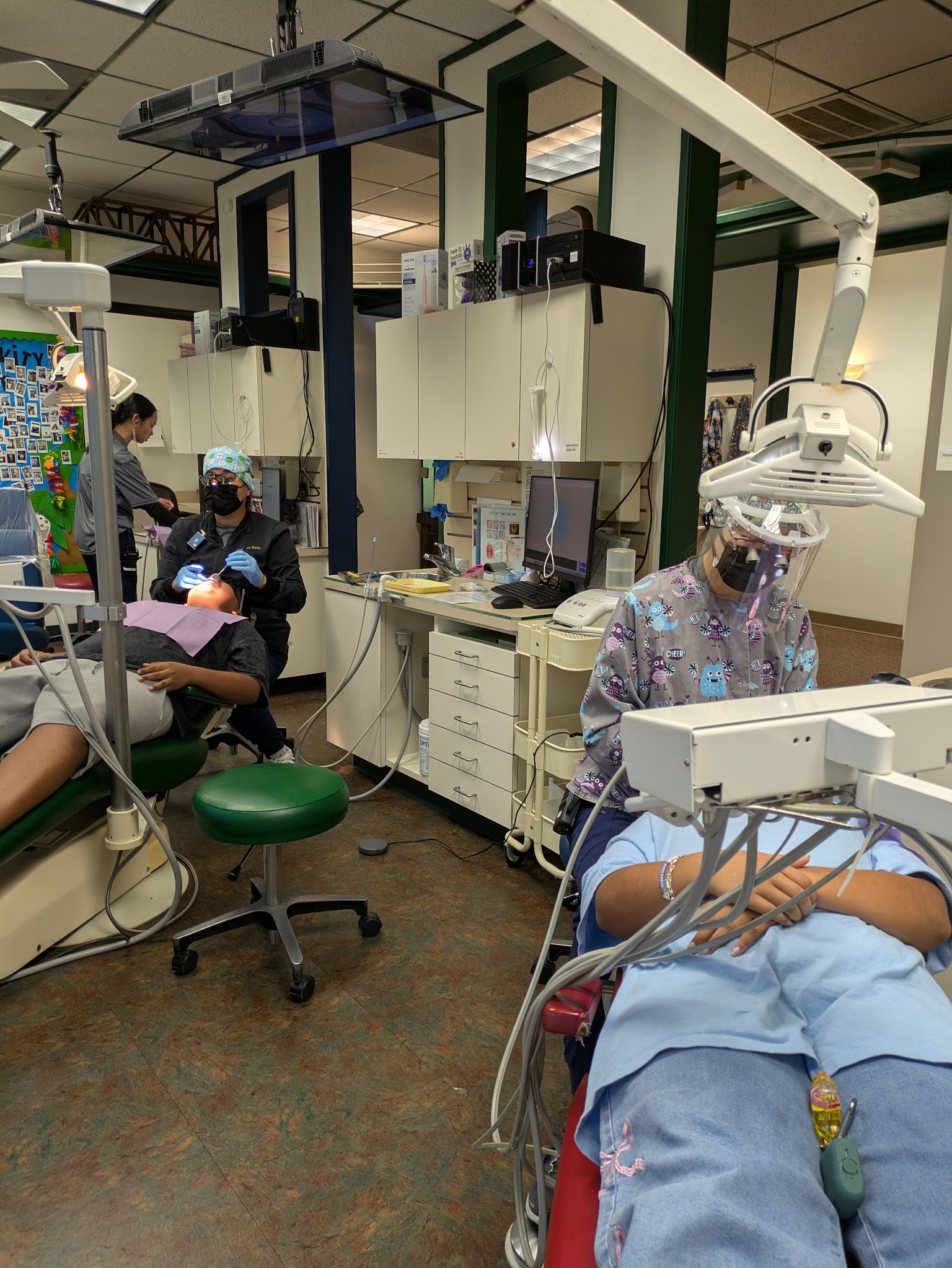
The tight frenum is gently released. Usually complete in under 15 minutes, with no sutures and no extended downtime.
Oral stretches to ensure proper healing and prevent the tissue reattaching. This is the part that decides whether it worked.
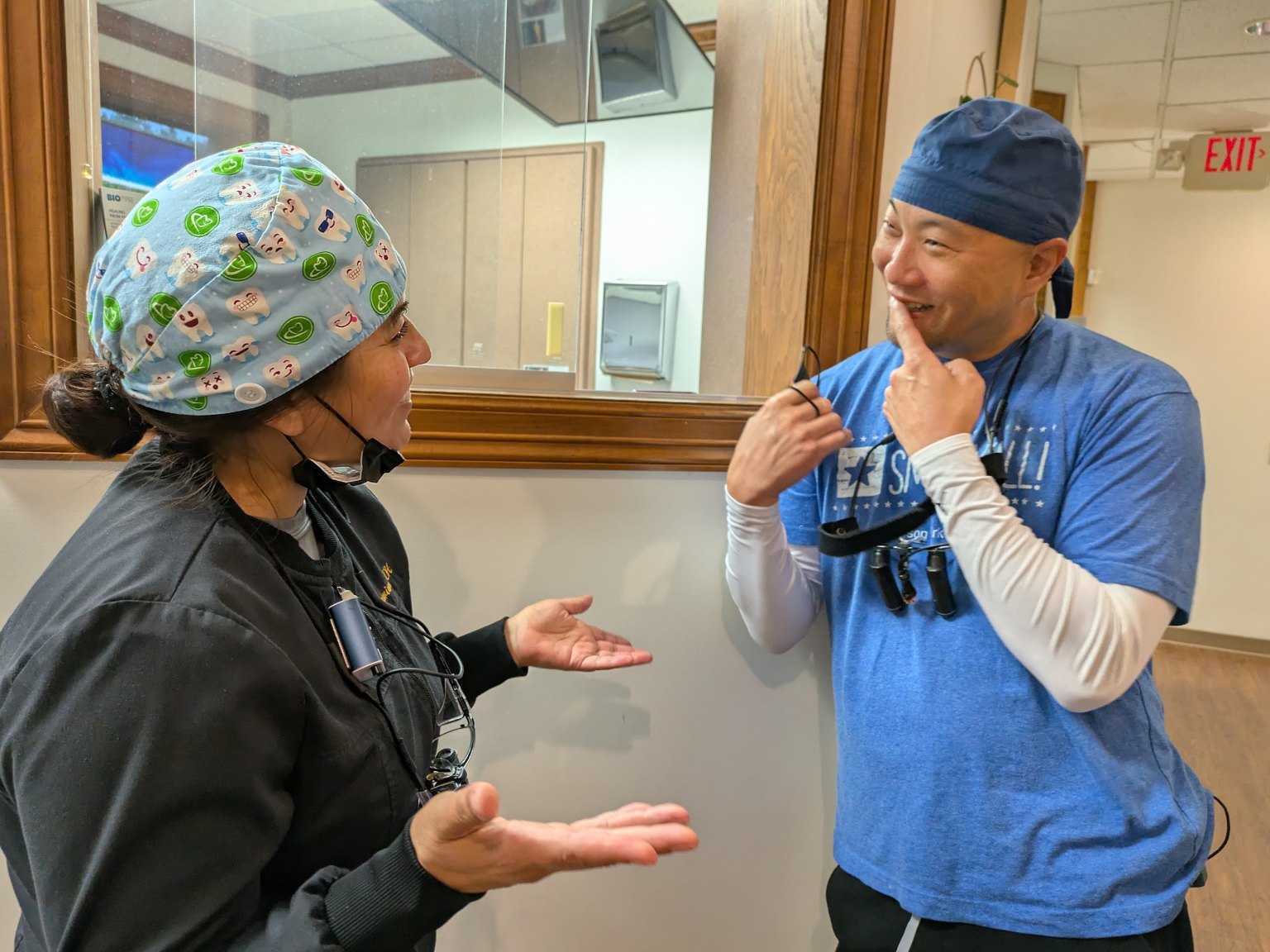
Healing and function checked. Where feeding or speech is involved we may work alongside your lactation consultant or speech therapist.
It costs nothing to have someone look. If there is no tie, you will be told there is no tie.
Book an appointmentOr call (281) 769-8878
The Alternatives
The same laser does the practice’s other soft-tissue work — see laser dentistry.
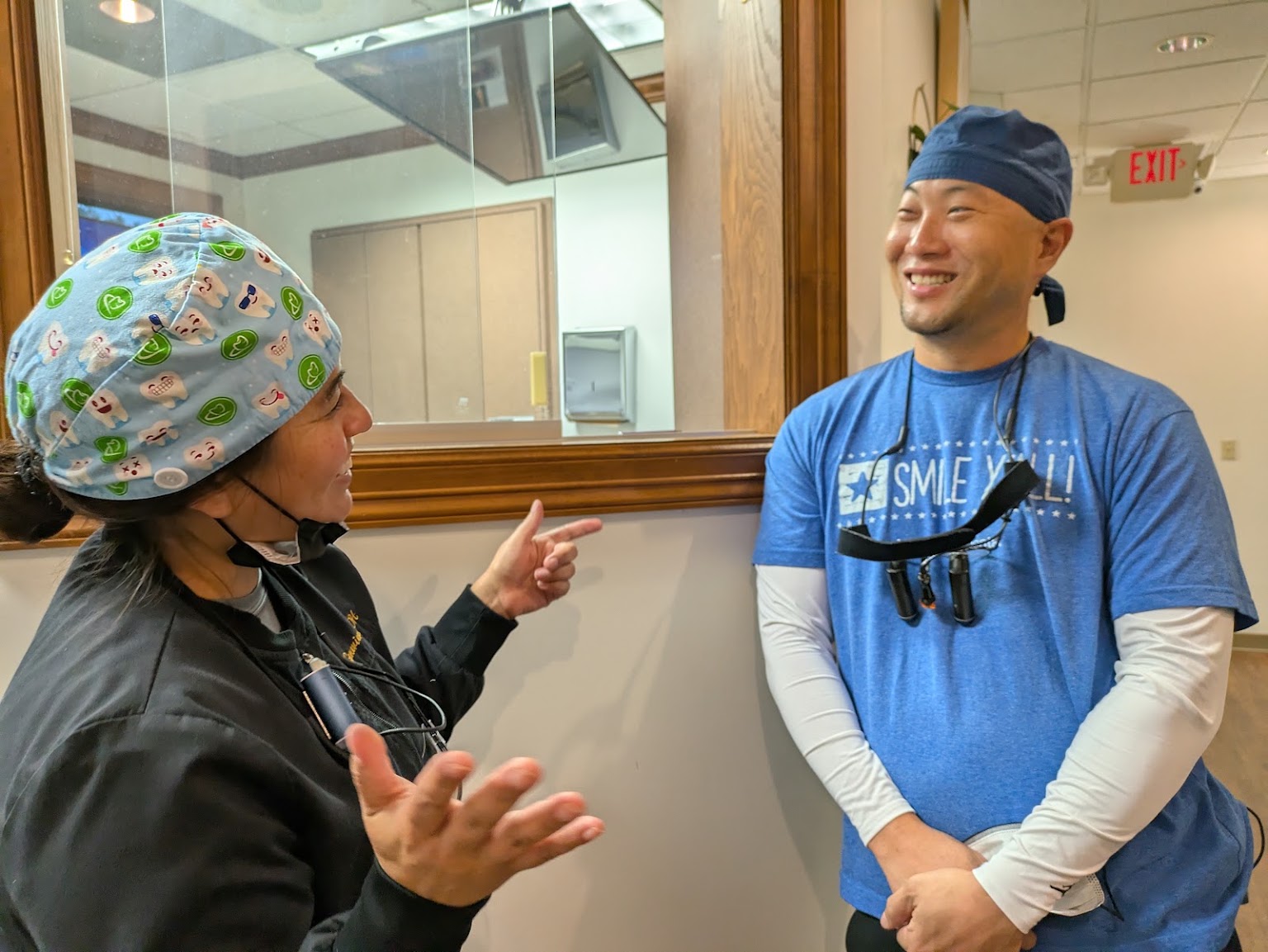
Recovery is quick and uncomplicated. The stretches are not optional — released tissue can reattach.
The Cost
Quoted at the consultation, once the practice has seen whether there is a tie at all and which frenum is involved.
One appointmentPlus a follow-up
The procedure, the aftercare instructions and the follow-up visit that checks the healing.
Whether it is a lingual or labial release, or both, and the patient’s age.
A frenectomy is a functional treatment rather than a cosmetic one. See insurance and financing.
The Proof
My son had his cleaning and X-rays this week. The staff was incredibly efficient and really detailed about the whole process. Even though my son had a huge fit since it was his first time getting X-rays, I feel like the staff genuinely cared about how he felt and tried their best to comfort him throughout the process.
Everyone there is very nice. They were able to see my son within a day of calling. My son had a horrible experience with an extraction as a little boy and he was nervous to have a tooth pulled again. They made him feel at ease. Afterwards he said he didn’t feel a thing.
LeeLee P
Found our family dentist!
Melissa Merino
Very friendly staff and were willing to help in every way! Felt more comfortable here than at any other dentist office in the past, highly recommend!
Gabriel Sanchez
Questions
The procedure itself is usually complete in under 15 minutes, and requires no sutures or extended downtime.
Patients report little to no discomfort during or after, thanks to the laser. Minor swelling or mild bleeding resolves within 24 to 48 hours.
It can reattach, which is why the daily oral stretches the practice prescribes are the most important part of aftercare. Do them as instructed and attend the follow-up.
No. Some tongue-tie and lip-tie conditions persist into adulthood, causing hygiene difficulty, chronic discomfort, speech issues or gum recession. A laser frenectomy improves tongue range of motion, reduces muscular strain and supports better dental health at any age.
Yes. In cases involving feeding habits or speech development we work collaboratively with lactation consultants and speech therapists. Bring their notes to the consultation.
The Invitation
If feeding is not working and nobody has looked under the tongue, that is the appointment. Call and say it is about a possible tongue-tie.