01
Decay past saving
No filling or crown will hold it. Left in, it harbours bacteria that reach the teeth beside it.

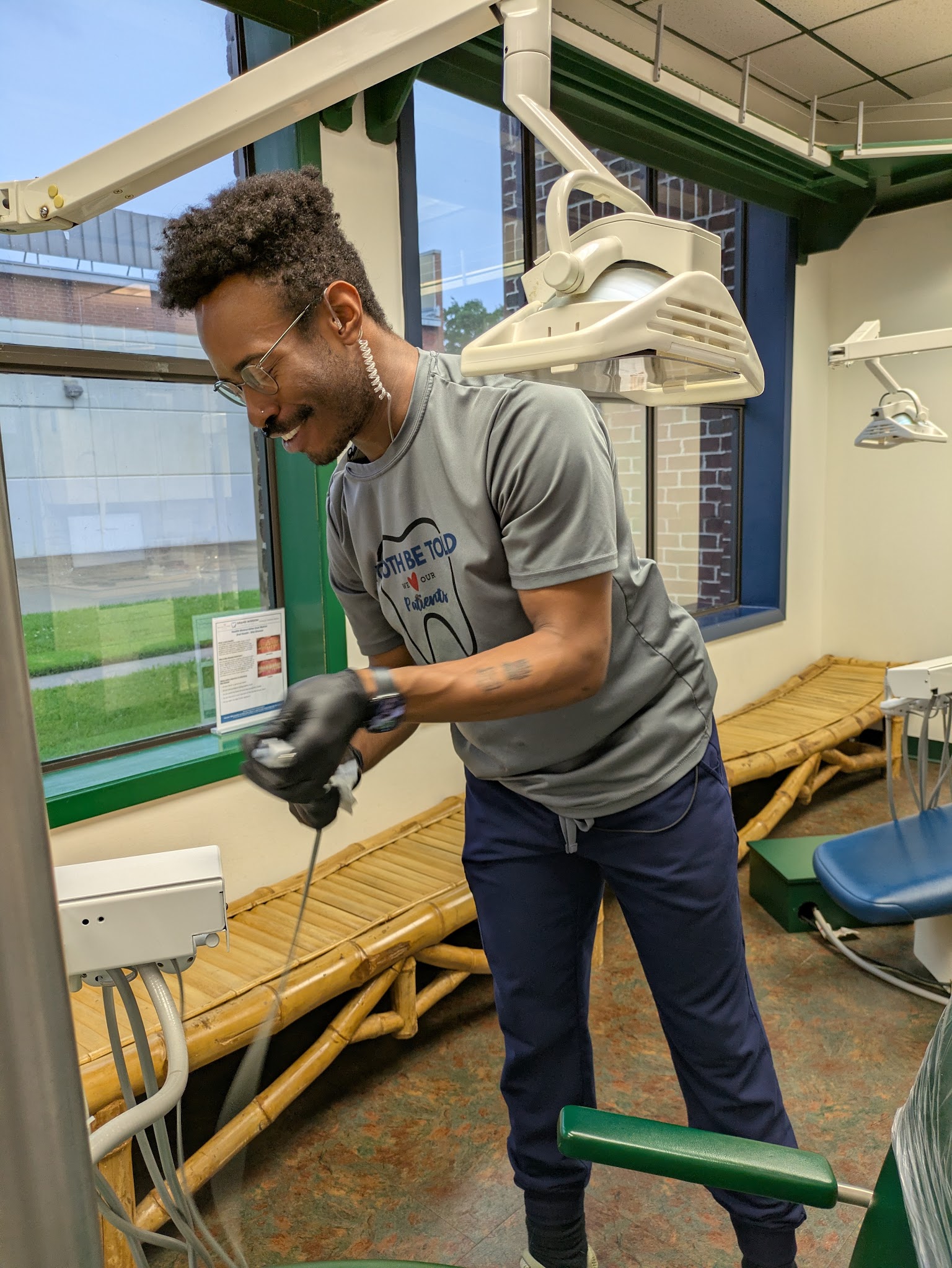
Saving the tooth is always the goal, and Dr. Dave Cho will tell you when it is still possible. When it is not, this is the gentle way through.
Is this you
Dr. Dave Cho preserves natural teeth wherever it is possible. These five are the situations where leaving one in does more harm than taking it out.
No filling or crown will hold it. Left in, it harbours bacteria that reach the teeth beside it.
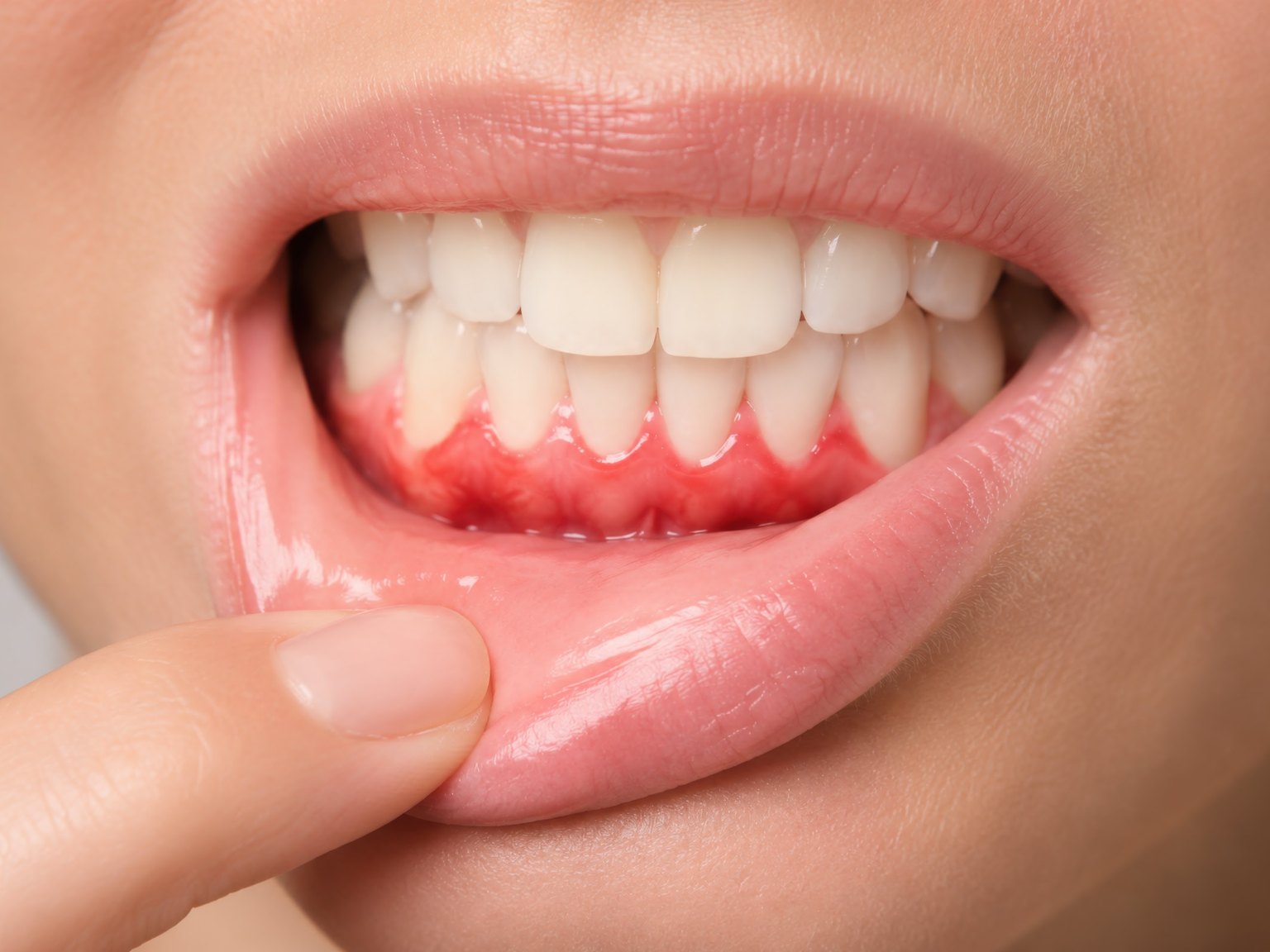
The structures holding the tooth have gone and it can no longer be stabilised.
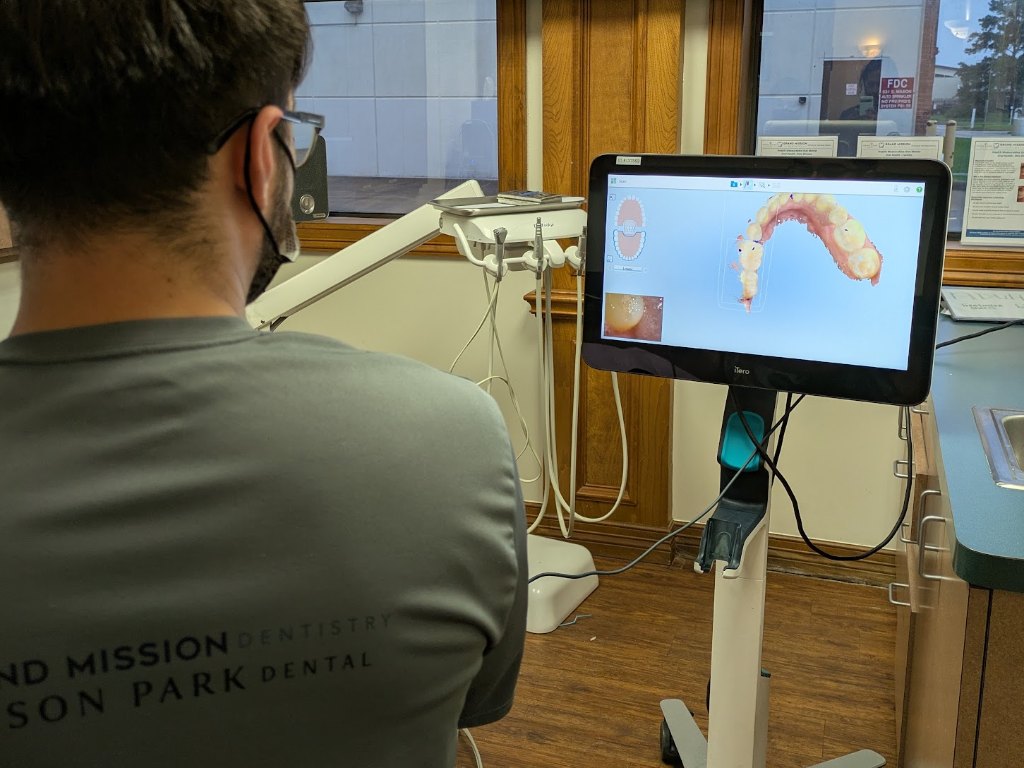
Trapped under the gum, causing pain, infection, cysts, or damage to the tooth in front.
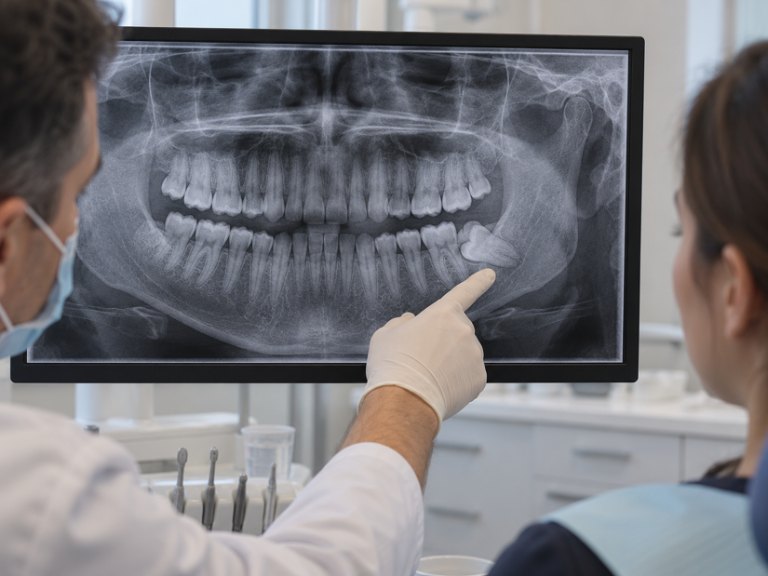
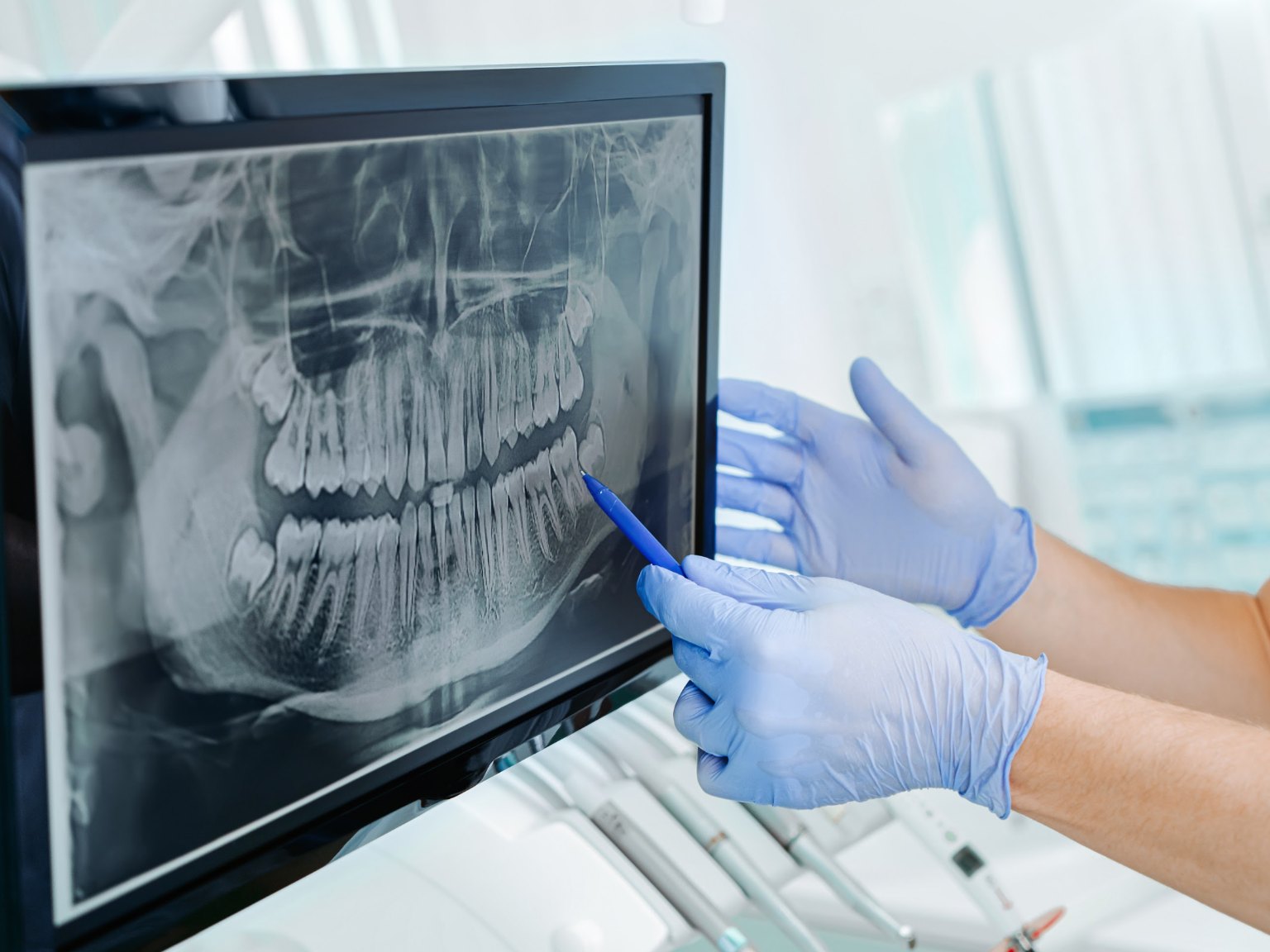
Cracked under the gumline or split vertically, after a fall or a sports injury.

Same dayWhere we can
Severe toothache, an abscess with swelling, a broken tooth with the root exposed, or trauma from an accident: call, do not wait for an opening online.
The Treatment
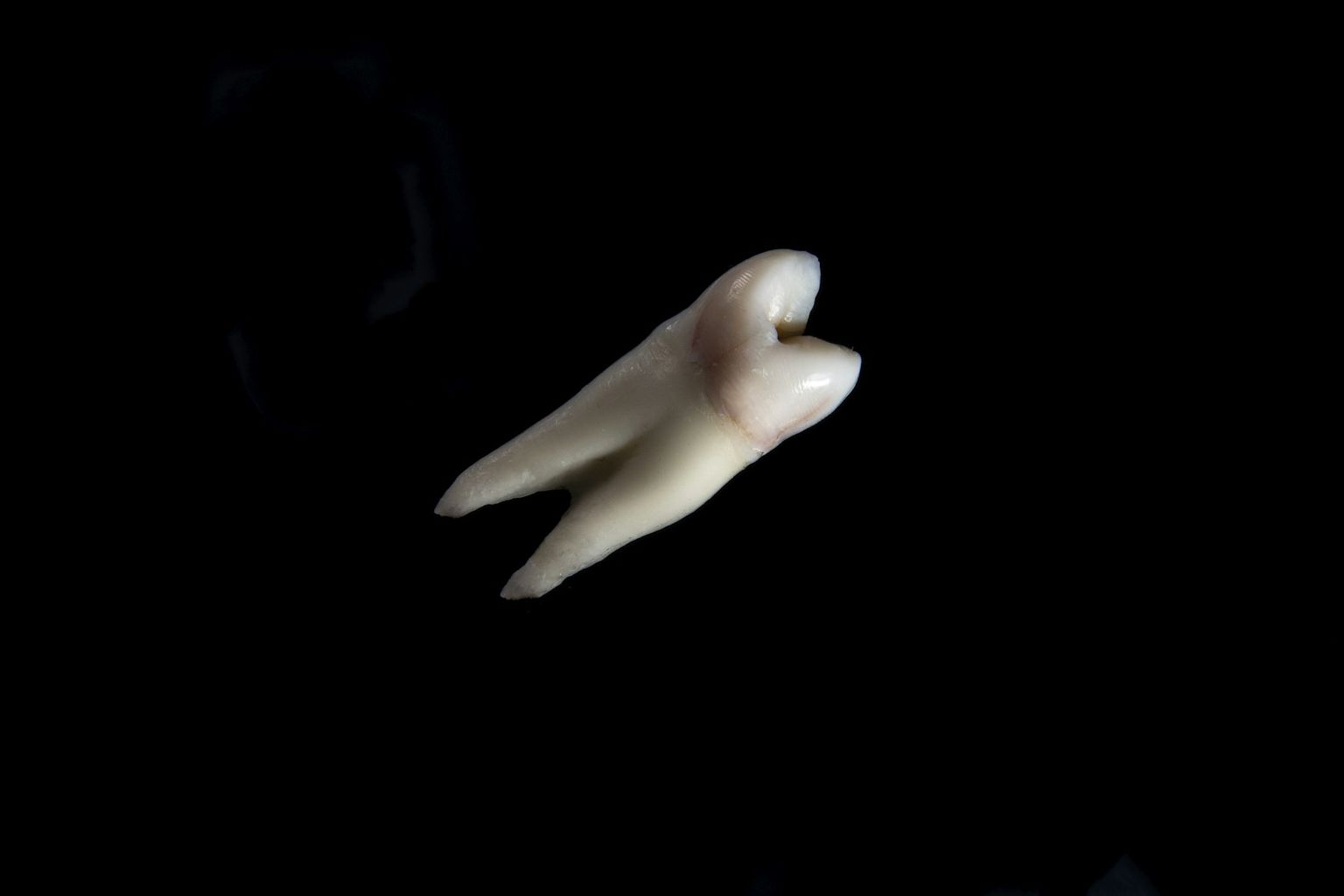
A simple extraction is for a tooth you can see and reach: numbed, loosened, lifted out. A surgical one is for a tooth broken at the gumline, not fully erupted, or with long or curved roots — a small incision, sometimes a little bone, then careful closure.
Simple tooth extractions are the most common type and are typically needed when a tooth is visible, intact, and easily accessible above the gumline. Local anesthesia is administered to numb the area completely, Dr. Dave Chogently loosens the tooth using specialized dental instruments, and the tooth is carefully removed with minimal pressure and discomfort.
Surgical tooth extractions involve making a small incision into the gum tissue to access the tooth, removing bone if necessary to safely extract it, and careful closure of the area to promote smooth healing. Dr. Dave Cho uses advanced surgical techniques to minimize trauma, reduce discomfort, and support faster recovery.
Four kinds, and what each one is for
Why This One
Nobody wants an extraction. These are the practice’s own five reasons it is sometimes the healthiest thing available.
A severely damaged or infected tooth is the source of it. Removing it removes the pain.
It does not travel into the healthy teeth and gums around it.
Space, where crowding was preventing orthodontic treatment from working.
An infected tooth left in place damages the bone that holds the rest of them.
And the replacement conversation can finally start.
Oral sedation, nitrous oxide, or IV sedation for complex cases and high anxiety.
Your dentist
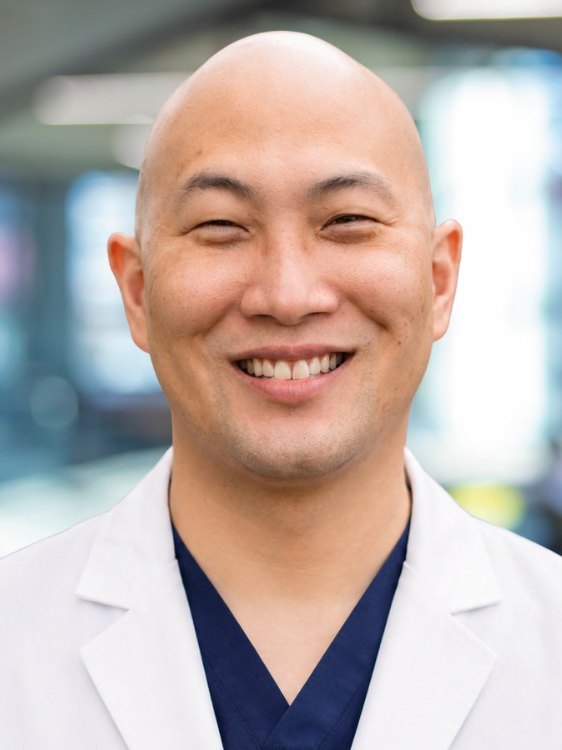
Dr. Dave Cho will tell you when a tooth can still be saved, and say so plainly when it cannot. Both answers come with what happens next.
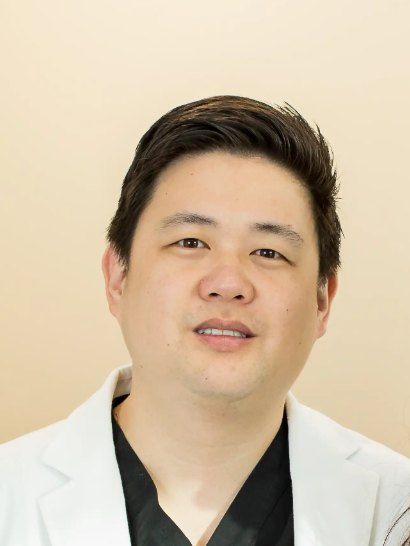 Also on the teamDr. William Sung, DMDFellow of the Academy of General Dentistry
Ask about sedation when you schedule your consultation. We understand that dental procedures can be daunting, and this is not something you have to get through unaided.
The Path
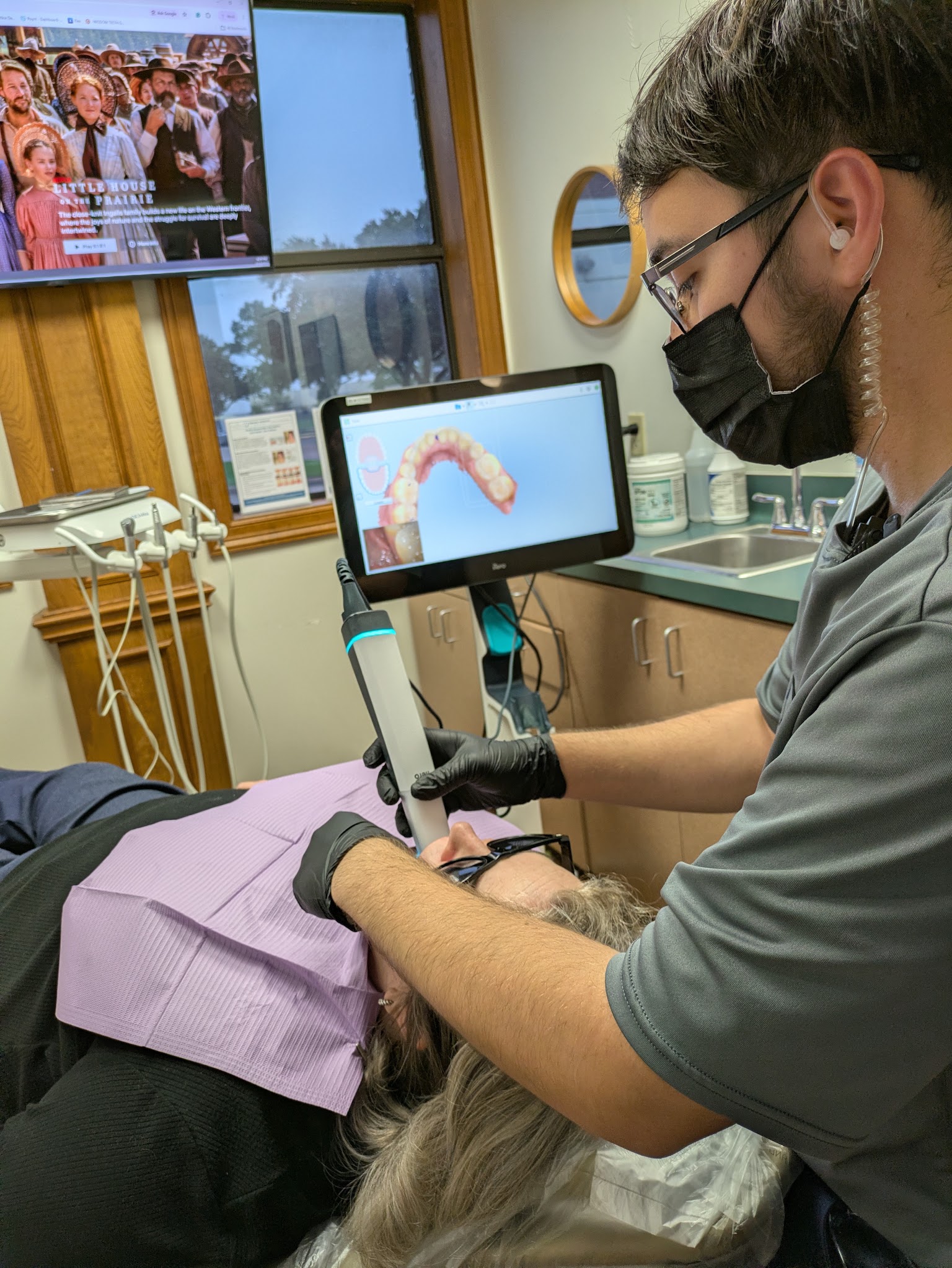
Digital imaging of the tooth, the gum around it and the jawbone, before anything is decided.
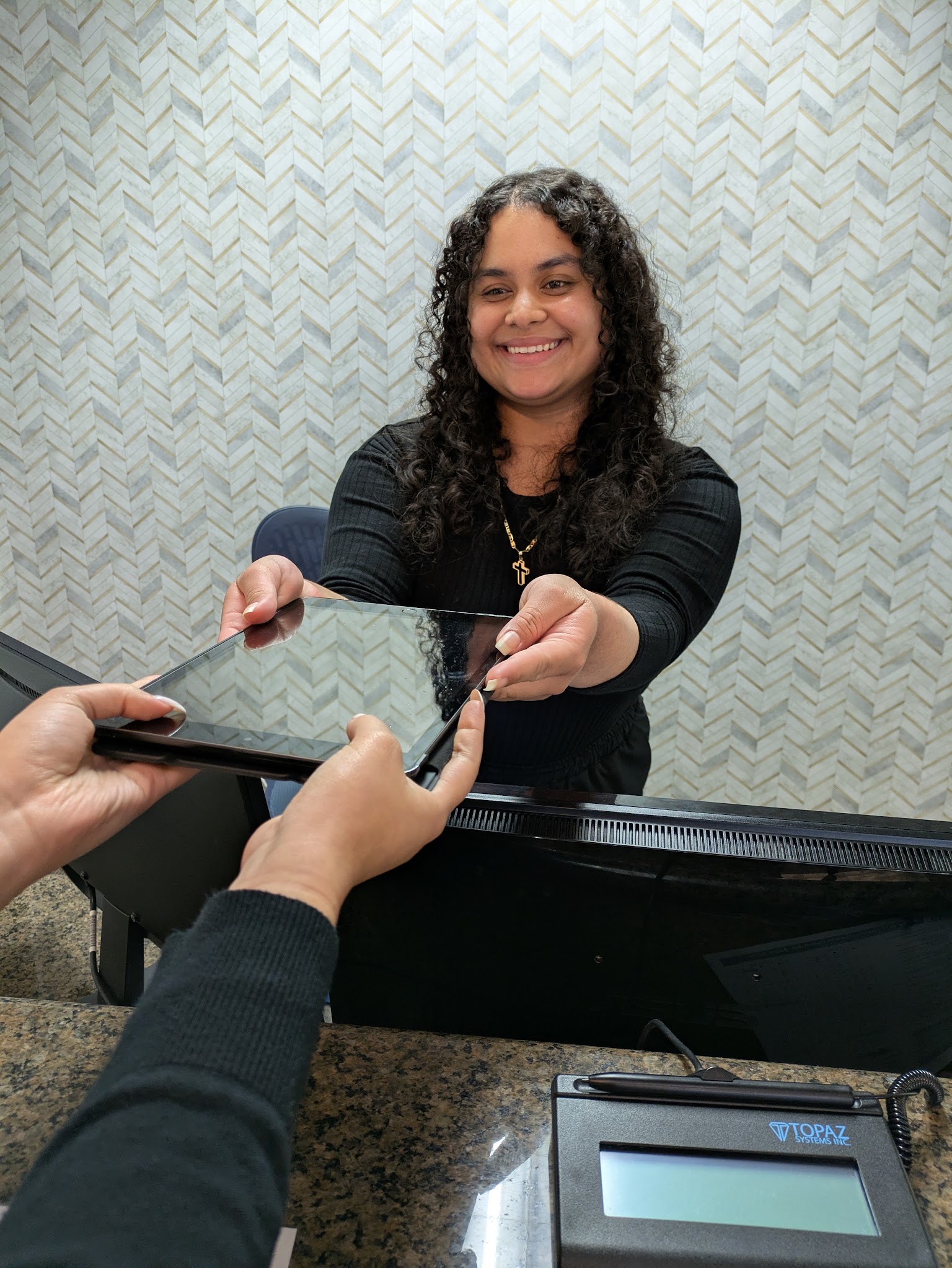
Your case, your concerns, and whether you want sedation. You know what to expect before you sit down.
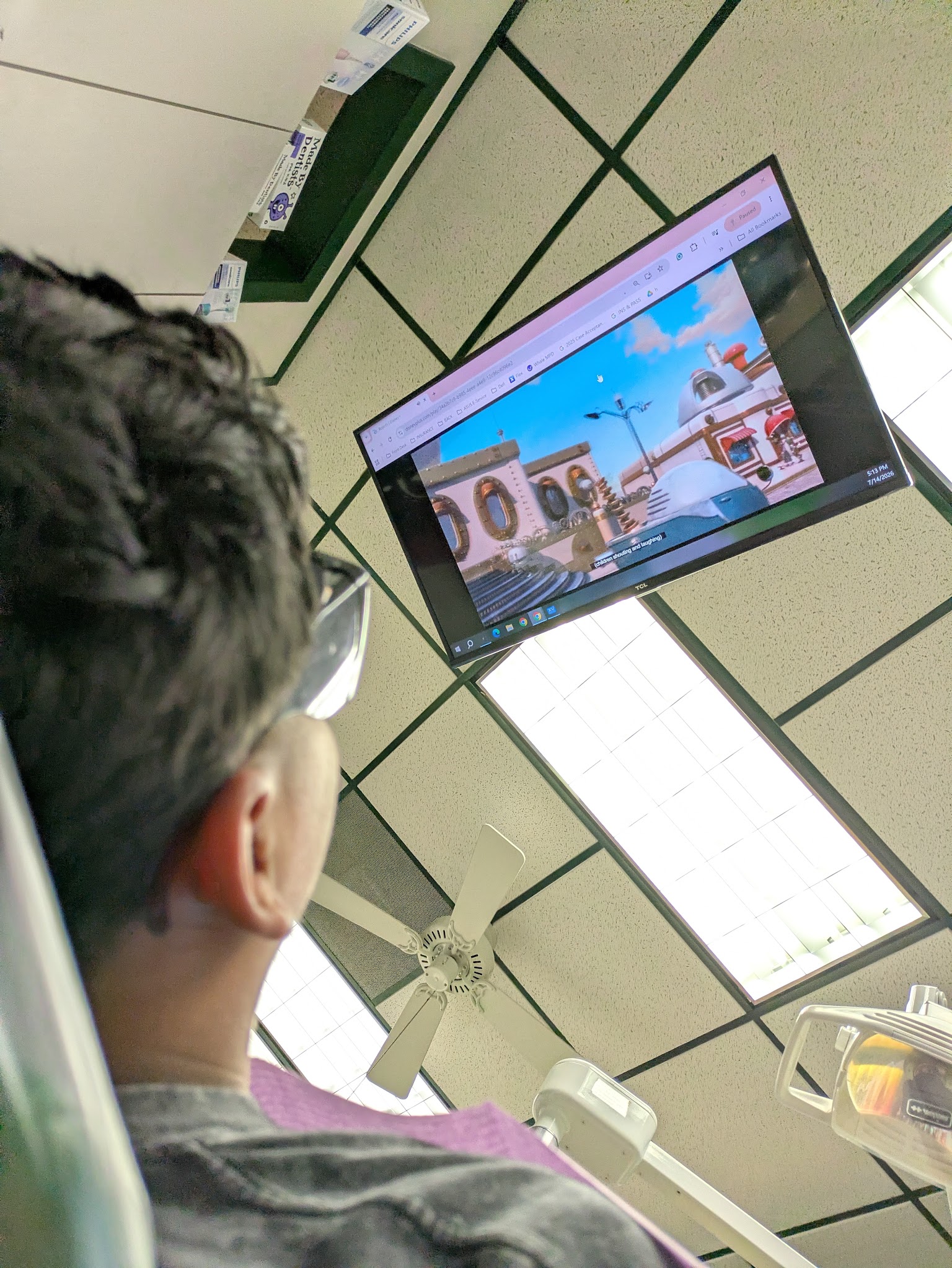
Local anaesthetic to numb the area completely, and sedation on top of it if that is what you chose.
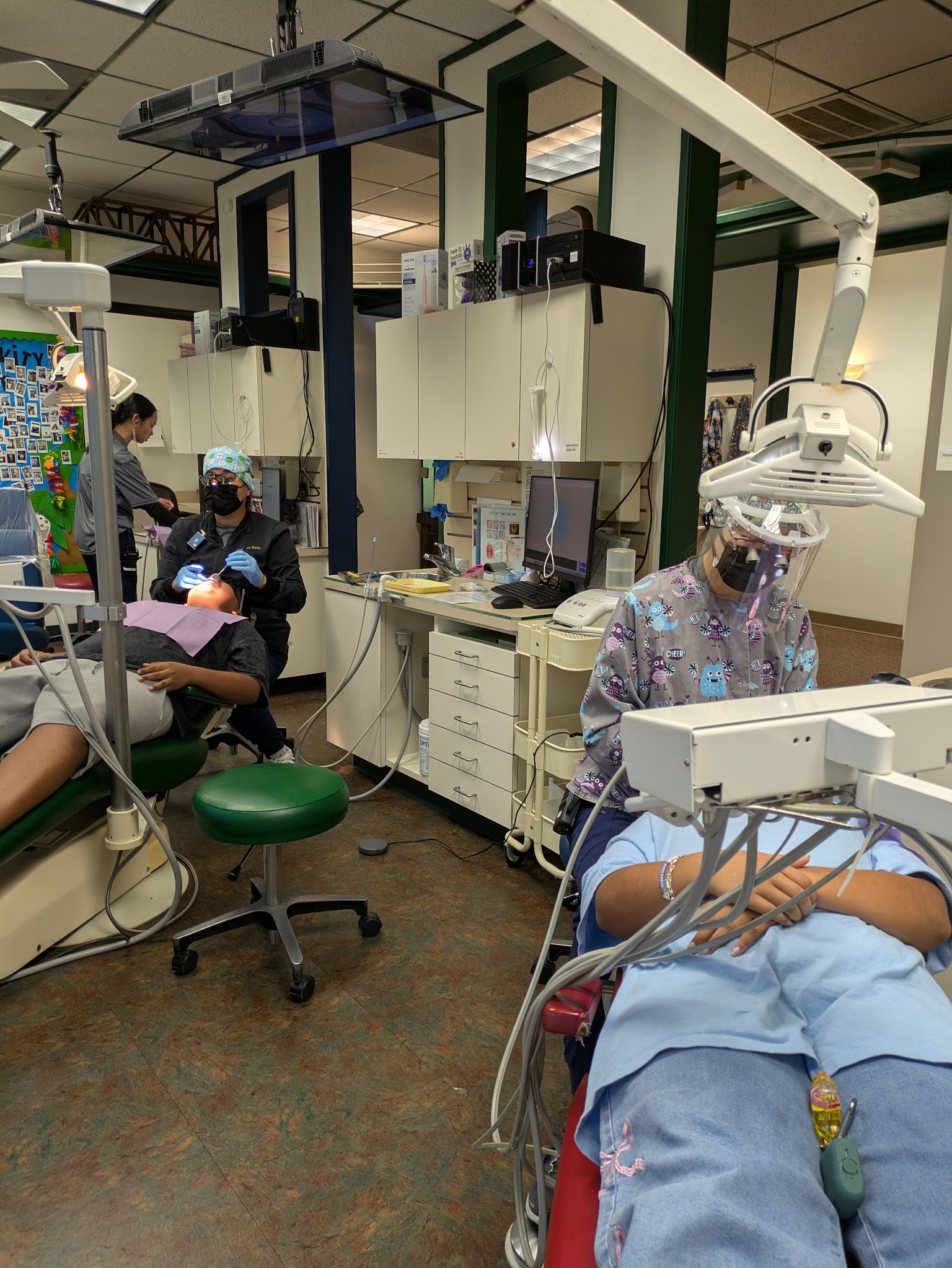
Loosened and lifted with instruments made for it, preserving as much of the surrounding bone and gum as possible.

Written instructions for swelling, pain, eating and hygiene, and a visit booked to check the healing.
Emergency cases are prioritised and same-day appointments are offered wherever possible.
Call (281) 769-8878Or book online
Thorough evaluation. Using advanced digital imaging and diagnostic tools, Dr. Dave Chothoroughly examines the affected tooth, its surrounding gum tissues, and jawbone structure. This comprehensive assessment ensures we can plan the safest, most effective approach while protecting your overall oral health.
Customized treatment plan. After the evaluation, we take the time to discuss your specific case, address any concerns, and create a customized treatment plan. If you experience dental anxiety or prefer additional relaxation support, we offer sedation options. You will know exactly what to expect at every step.
Anesthesia administration. Before beginning, we apply a local anesthetic to completely numb the treatment area, ensuring a pain-free experience. For patients who need additional support, sedation helps you relax deeply while remaining safely monitored by our team.
Careful removal with advanced techniques. Dr. Dave Cho uses advanced extraction techniques designed to minimize trauma to the surrounding tissues. Whether it’s a simple extraction or a more complex surgical removal, the focus is on protecting your oral health and reducing discomfort, and on preserving the surrounding bone and gums as much as possible.
Post-extraction care and healing support. We provide personalized post-operative instructions covering swelling, pain control, safe eating and oral hygiene, and we schedule follow-up visits to monitor your healing.
The Alternatives
And after one: an implant, a bridge, or a partial denture. The gap is not meant to stay a gap.
Almost everything that goes wrong after an extraction goes wrong here, and almost all of it is avoidable.
The Cost
A simple extraction and a surgical one are not the same price, and which of the two you need is not decided until the imaging is done.
TransparentQuoted up front
The practice states the price for the extraction it is actually recommending, before it does it.
Simple or surgical, how many teeth, and whether you choose sedation.
Insurance assistance and processing, flexible payment plans, and third-party financing. See insurance and financing.
The Proof
Everyone there is very nice. They were able to see my son within a day of calling. My son had a horrible experience with an extraction as a little boy and he was nervous to have a tooth pulled again. They made him feel at ease. Afterwards he said he didn’t feel a thing. Updated 11/1/23 — I visited the office for myself this time. Karen was gentle while cleaning & explained everything really well. Next I’ll be bringing my other son. 5 out of 5 recommend coming here for your dental needs. 8/19/2026 Coming here is always a pleasure. The staff is amazing.
Very friendly staff and were willing to help in every way! Felt more comfortable here than at any other dentist office in the past, highly recommend!
Gabriel Sanchez
Had my cleaning and exams today, and the staff was super friendly. They explained everything in detail and made me feel at ease. Not just a routine visit, more like a mini spa for my teeth. A great feeling knowing they really look after your health too. Highly suggest making this place your go to.
Oluwatoyin Dominic
Amazing lovely very kind tidy place
Folakemi Folajaiye
Questions
A local anesthetic numbs the treatment area completely before anything begins, which makes the procedure itself pain-free. If you are anxious, oral sedation, nitrous oxide or IV sedation are all available — ask when you schedule.
Possibly, and we look at that first. Root canal therapy preserves a tooth with infected pulp, a crown restores a severely damaged one, and periodontal therapy stabilises teeth loosened by gum disease. Extraction is what happens when none of those is viable any more.
It is what happens when the blood clot over the socket is dislodged before it has healed. Avoid smoking and drinking through a straw for at least 24 hours — both create suction — and leave the site alone while you brush.
Contact the practice immediately if you have a severe, persistent toothache, swelling or an abscess in the gums, a broken tooth with the root exposed, or trauma from an accident or a fall. Emergency extractions are prioritised.
Soft foods for the first days — yogurt, mashed potatoes, smoothies. Use a cold compress for swelling, take the medication as prescribed, and keep up your oral hygiene while avoiding the extraction site itself at first.
A dental implant, a bridge, or a partial denture, depending on where the gap is and what the bone will take. Dr. Dave Cho discusses replacement at the same appointment as the extraction, not months later.
The Invitation
Come in before you have decided. A second opinion on whether a tooth has to go is a reasonable thing to ask for, and it is what the first appointment is.