01
The drill is the problem
Less vibration, less pressure, and often no drill at all. For many people this is the whole reason.
Focused light instead of a drill or a scalpel. Often no anaesthetic, usually no stitches, and a good deal less to be nervous about.
Is this you
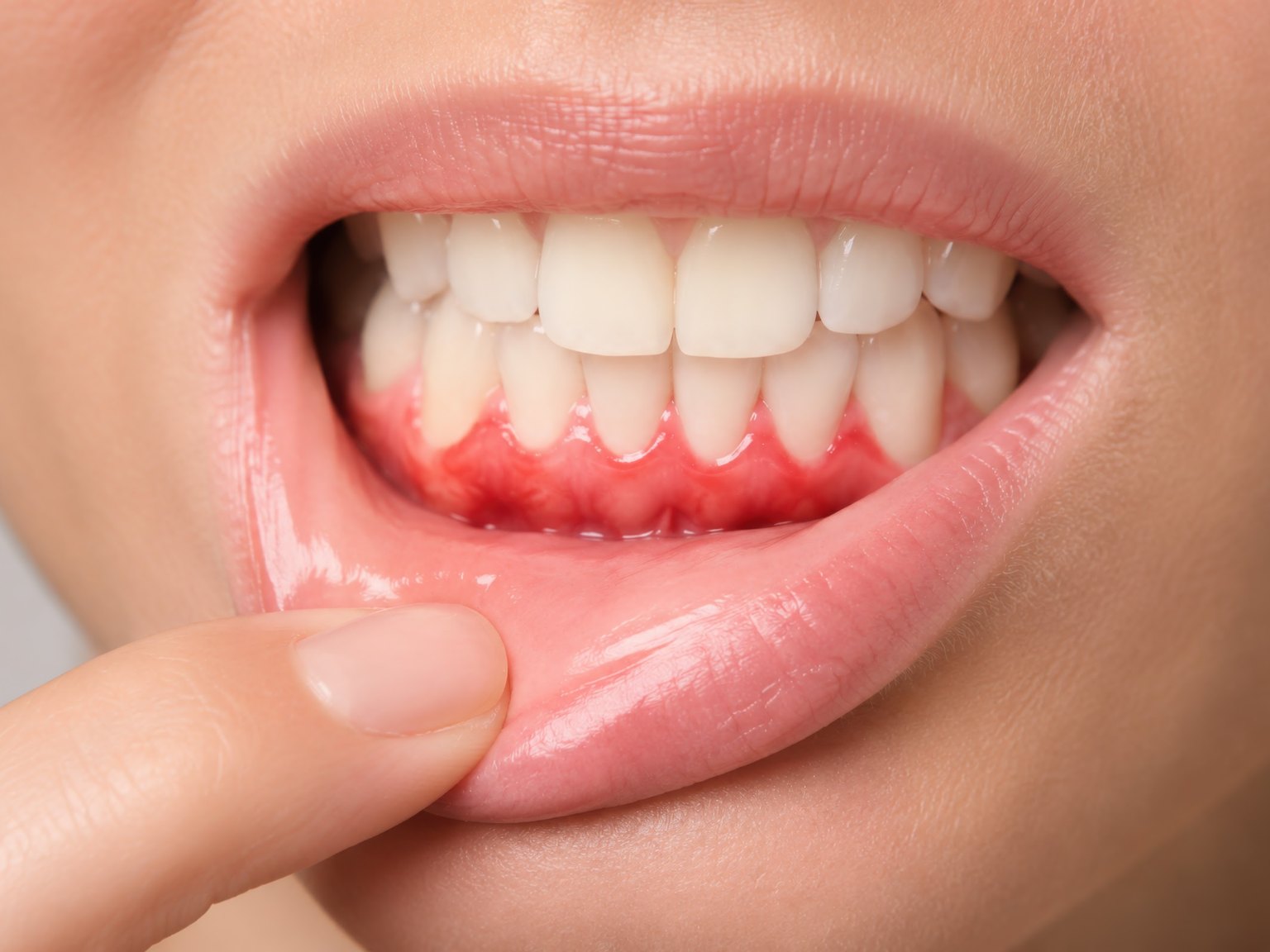
This is a technique rather than a treatment, so the question is not what you have but how you would rather it were done.
Less vibration, less pressure, and often no drill at all. For many people this is the whole reason.
Many laser procedures need little or no local anaesthetic, so you leave without a numb face.
Less trauma to the tissue means minimal bleeding and swelling, and a shorter recovery.
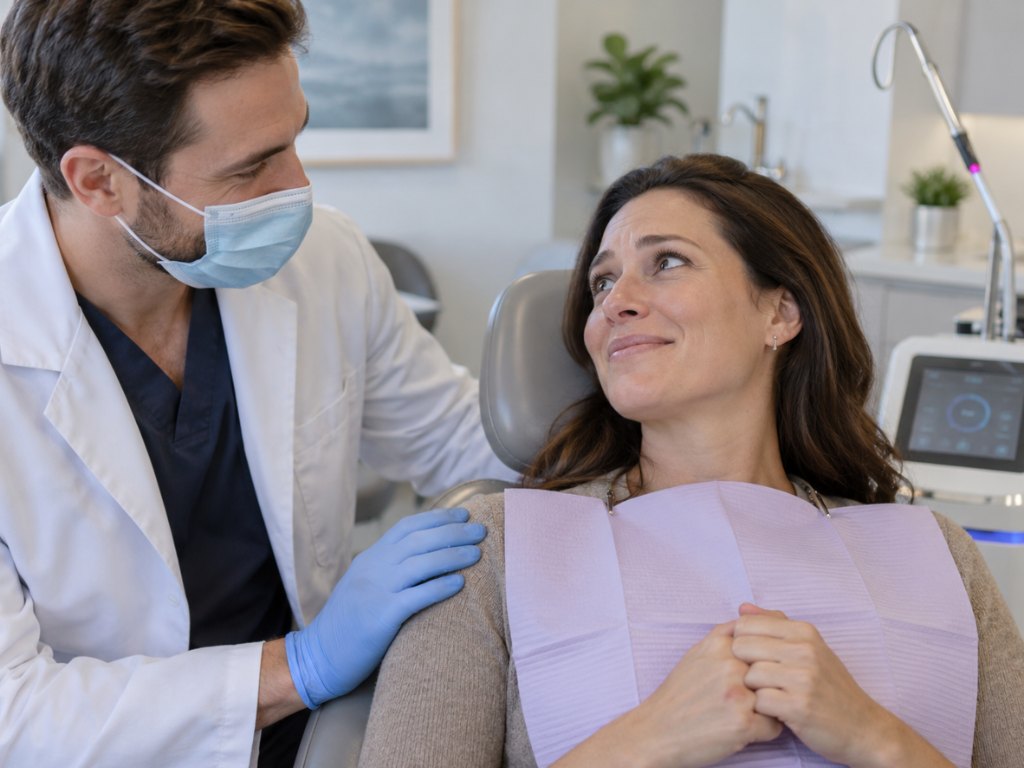
Fewer drills, scalpels and stitches. For anxious patients this is a different appointment entirely.
The Treatment
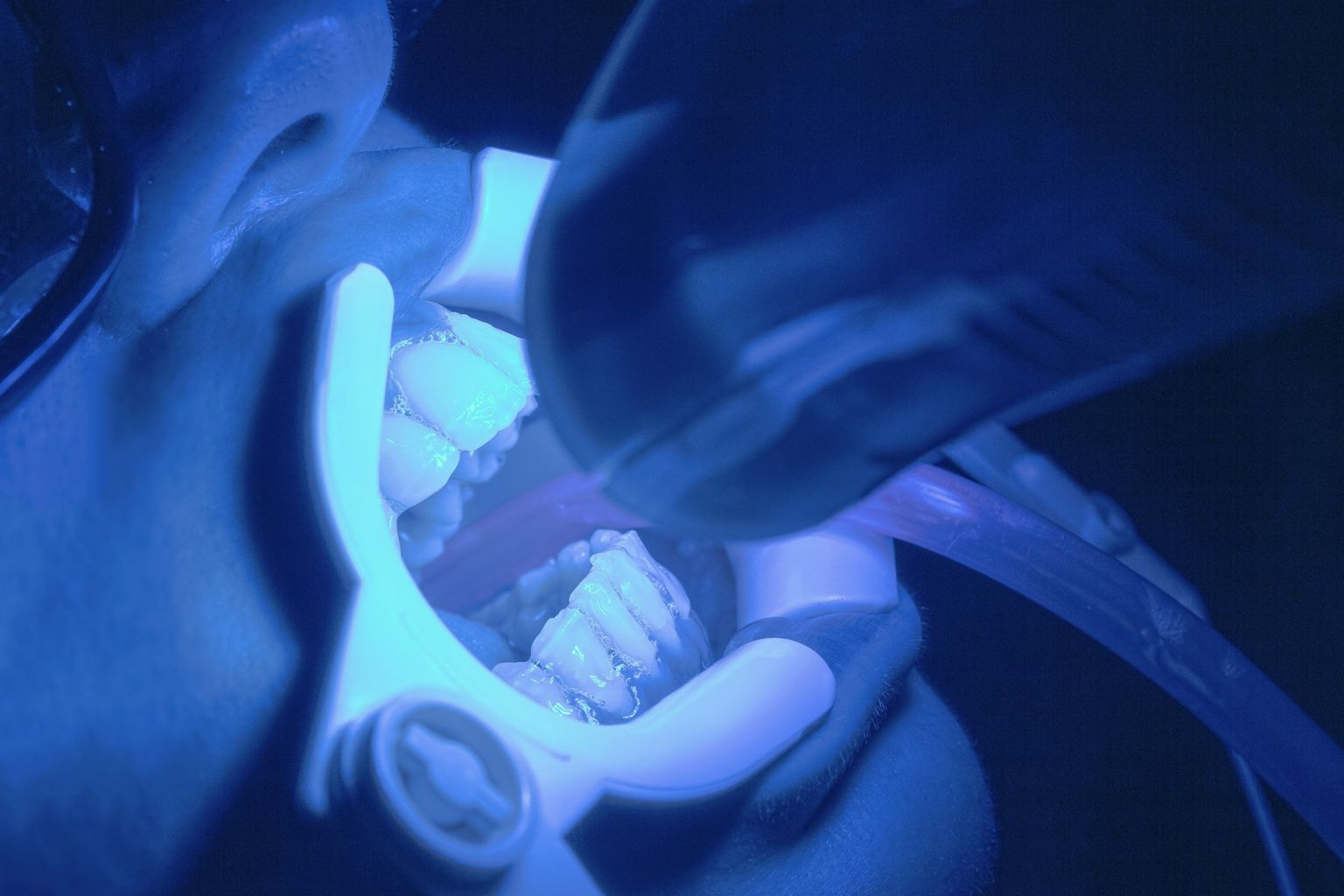
A focused beam of light energy that cuts or vaporises tissue on contact, or strengthens the bond between a tooth and a filling. It reaches only what it is aimed at, and it sterilises as it goes.
Laser dentistry is the use of focused light beams to treat various dental conditions with extraordinary precision. Unlike traditional methods that often involve scalpels and drills, lasers allow us to treat the soft tissues and hard structures of the mouth more gently.
Dental lasers allow the team to target only the affected tissue while leaving healthy areas untouched. This precise control results in better outcomes and helps preserve as much of the natural tooth or gum structure as possible. Moreover, the laser’s sterilizing effect reduces the risk of infection significantly.
Five things the practice uses it for
Why This One
The practice’s own four advantages, and the two things the laser does that a blade simply cannot.
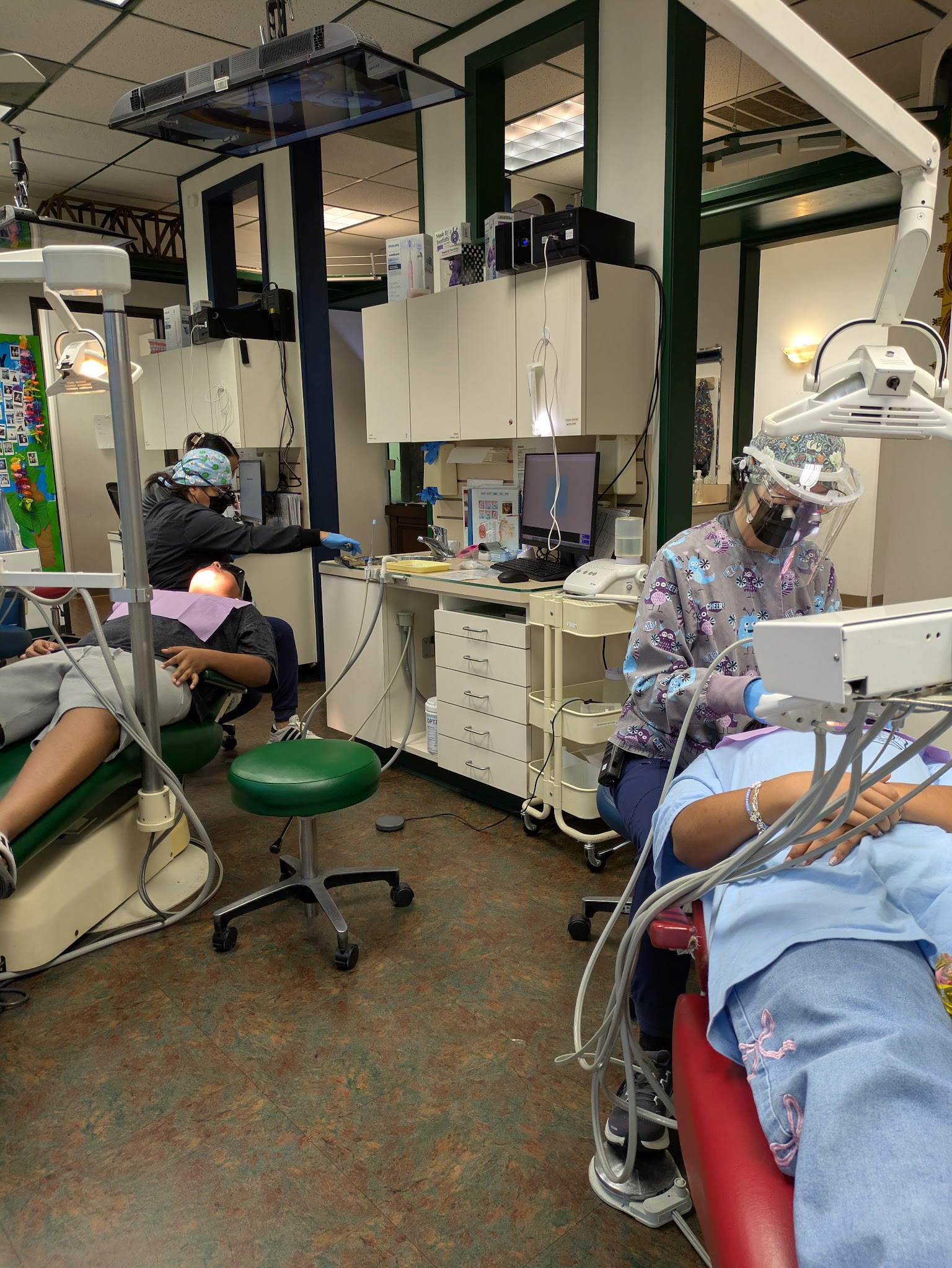
Less vibration, less pressure, fewer sutures. Many procedures are done with little or no anaesthetic.
Less trauma means minimal bleeding and swelling, and a recovery period shorter than the conventional equivalent.
Precise enough to leave the healthy tissue beside it untouched. More of your own structure survives.
The laser's own effect on the site significantly reduces infection risk. A scalpel does not do this.
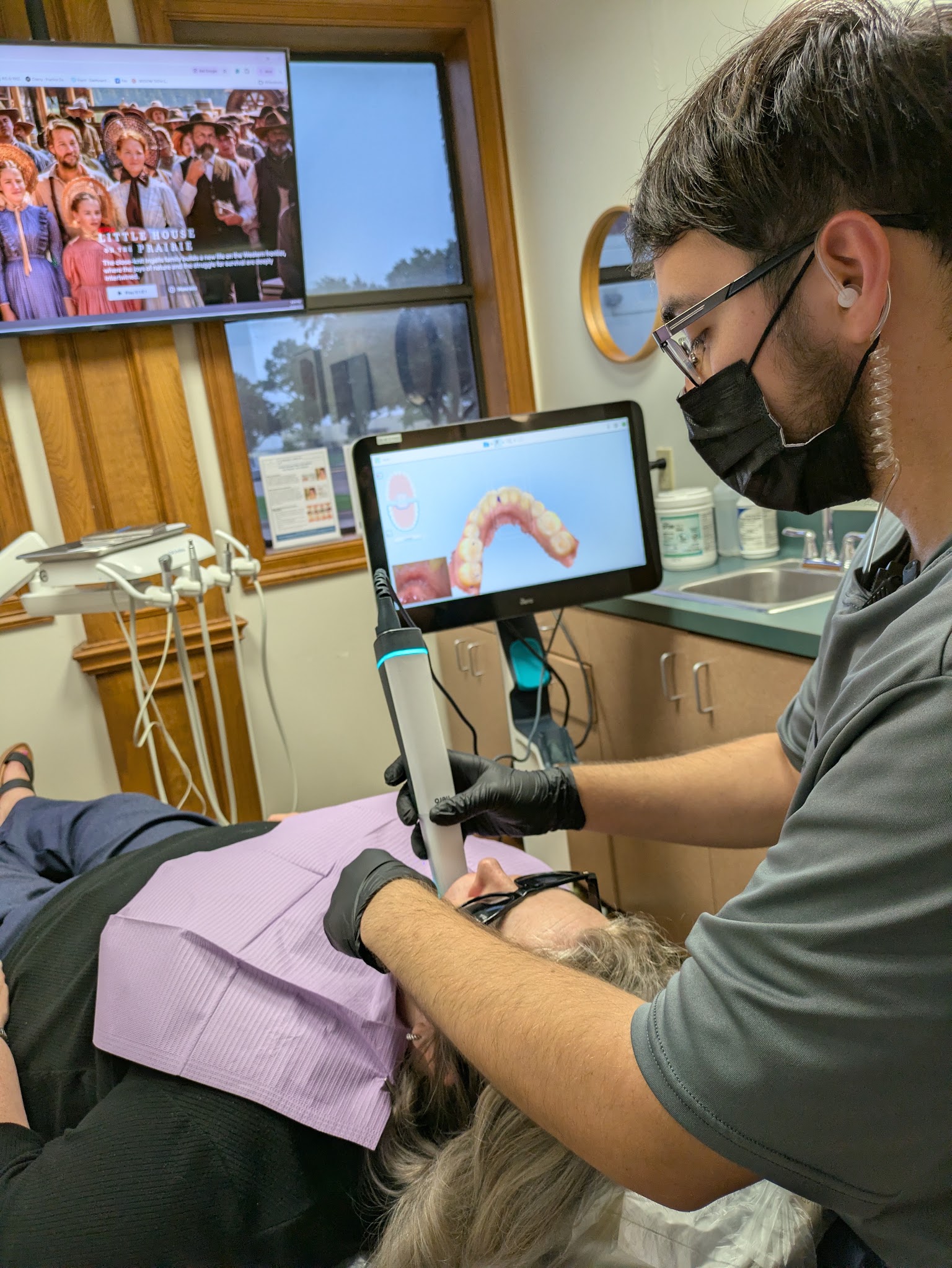
Laser procedures are often quicker, so less time in the chair overall.
For nervous patients, an appointment without the drill changes how the next one feels.
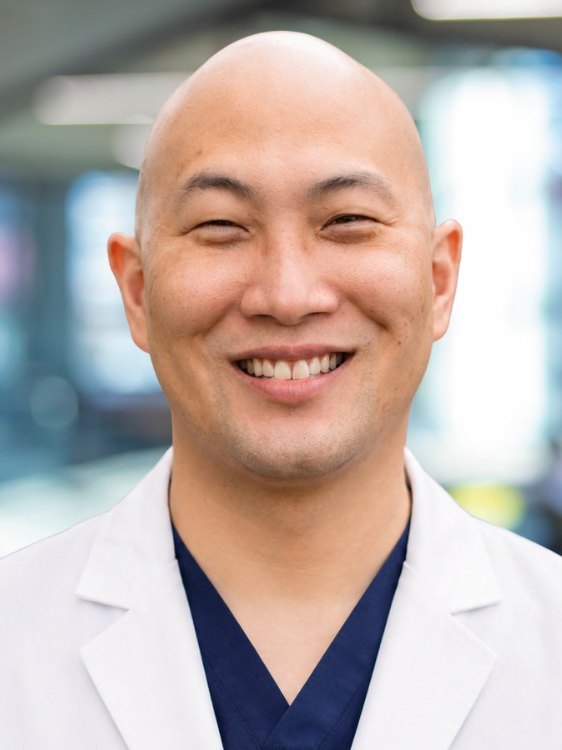
Your dentist
Dr. Dave Cho will tell you when the laser is the better tool and when it is not. It is not the right answer to every problem, and this page is not going to claim it is.
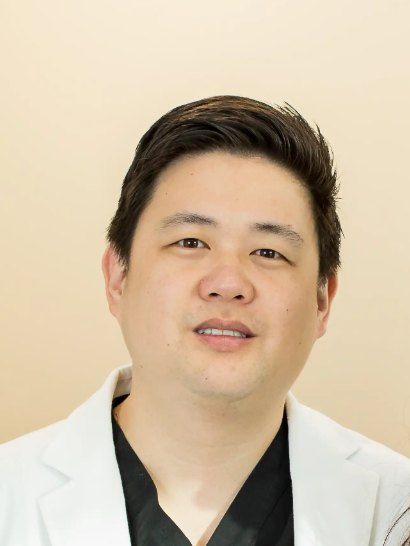 Also on the teamDr. William Sung, DMDFellow of the Academy of General Dentistry
The laser device emits a highly focused beam of light energy which interacts with your oral tissues in a controlled and specific way. Depending on the treatment, it may be used to:
Your visit starts with a thorough evaluation: your dental history reviewed, a detailed examination, and an assessment of your current oral health. If you are a good candidate, Dr. Dave Cho explains the recommended procedure, the benefits of the technology, and what to expect before, during and after.
The Path
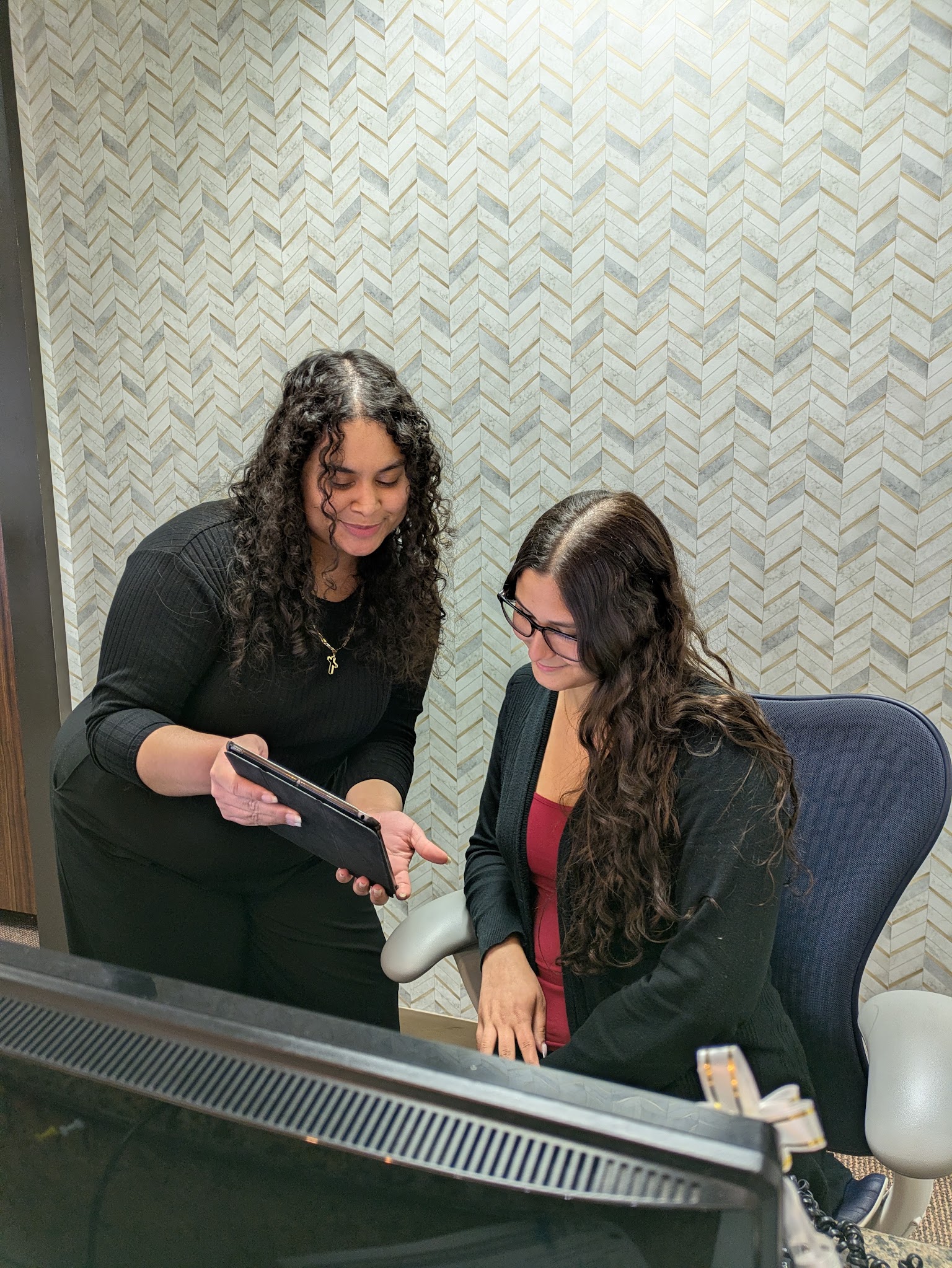
Your dental history, a detailed examination, and an assessment of where your oral health actually is.

Whether laser is the best approach for your case, explained rather than assumed. Sometimes it is not.
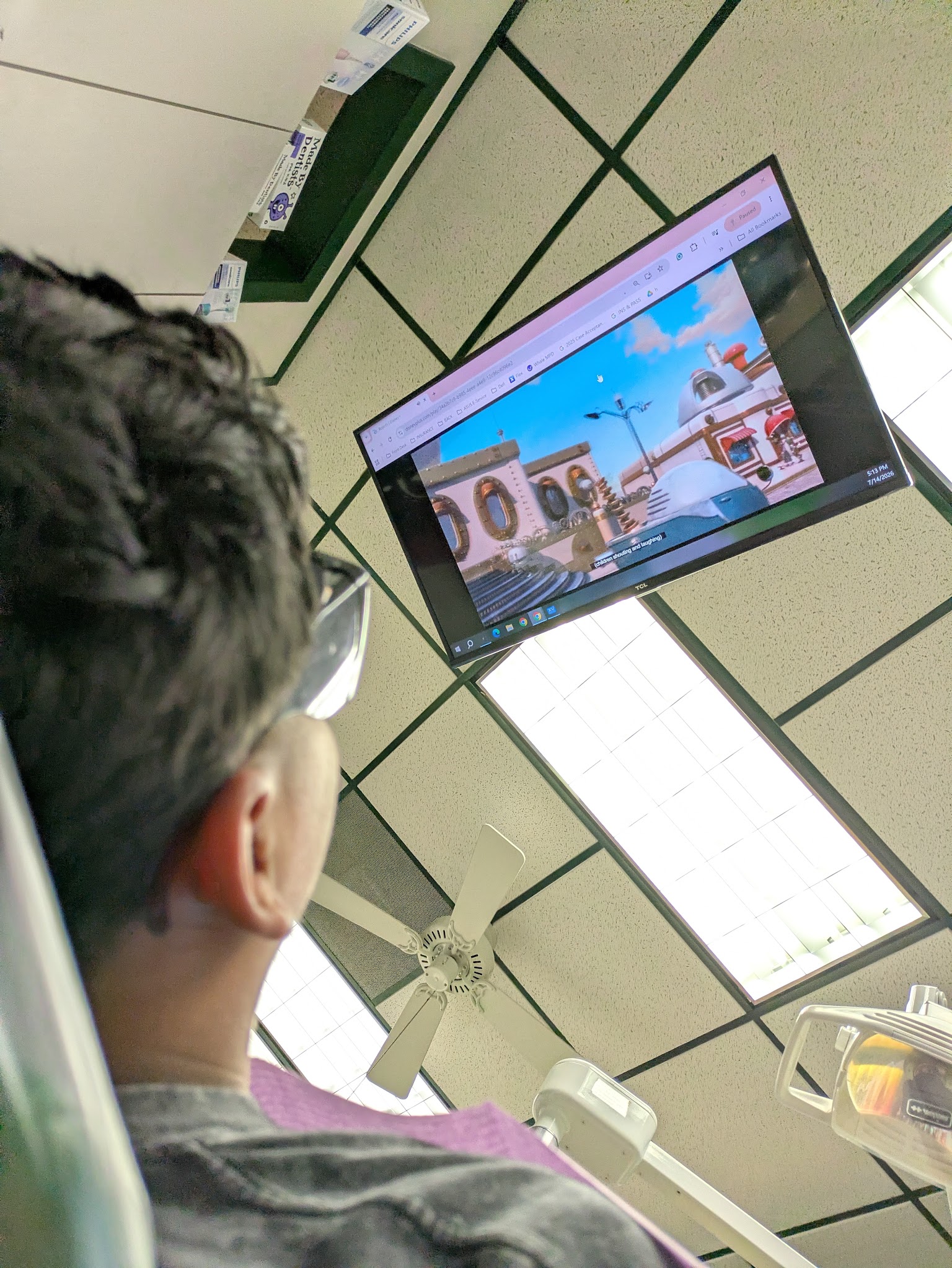
The procedure, the benefits of the technology, and what before, during and after look like. All your questions answered first.
Often shorter than the conventional equivalent, frequently without anaesthetic, and usually without stitches.
If you have been putting off a treatment because of the drill, this is the question worth asking.
Book an appointmentOr call (281) 769-8878
The Alternatives
The laser is not a replacement for everything. A tooth needing a crown still needs a crown, and an extraction is still an extraction. It changes how the soft-tissue work is done.
Laser is a tool inside other treatments more often than it is a treatment of its own.
The Cost
There is no price for “laser dentistry” as such. There is a price for the procedure, and the laser is how it is done.
Per procedureQuoted at the consult
Priced by the treatment you are having, with the laser approach explained before you agree to it.
Which of the five procedures, and how much tissue is involved.
Coverage follows the procedure rather than the instrument. See insurance and financing.
The Proof
Had a very good time at the dental office. The cleaning was thorough and Genevieve did an amazing job! The high tech tools made me feel at ease. It’s a calm atmosphere, which is just what anyone needs before a visit. Definitely a convenient place for dental care. Highly recommend it for anyone needing cleaning and exams.

Very friendly staff and were willing to help in every way! Felt more comfortable here than at any other dentist office in the past, highly recommend!
Gabriel Sanchez
The staff here is super friendly and informative. Just had my cleaning and exams done, and they were thorough without being rough. The dental filling went really well, didn’t hurt one bit, and they took extra care to ensure it looked great. Overall, a very clear and calm vibe in the office. Highly recommend checking them out for your family dentistry needs.
Reem Almekhlafi
Great, Jenn and Dr Cho are very kind and communicative. Clean and friendly clinic
Ammaar Ahmed
Questions
In many cases the laser’s precision eliminates the need for local anaesthesia, which is a large part of why anxious patients prefer it. Dr. Dave Cho will tell you which category your procedure falls into before you agree to it.
Dental lasers minimise or eliminate the need for drills and sutures, so there is less vibration, less pressure and less anxiety during treatment. Most patients describe it as easier and faster than the conventional version of the same work.
Usually not for soft-tissue work. A laser frenectomy, for example, releases the restrictive tissue with minimal bleeding and no need for stitches.
Shorter than conventional methods. Because laser treatment causes less trauma to the tissue, patients usually experience minimal bleeding and swelling and recover faster.
Yes, in suitable cases. The laser targets the decayed area precisely, which preserves more of the natural tooth. It is also used to detect decay at its earliest stages, before there is much to remove.
No, and it would be misleading to suggest so. The practice uses it for gum disease treatment, frenectomy, cavity detection and removal, gum contouring, and cold sores and ulcers. Other treatments still use conventional instruments, and Dr. Dave Cho will say which is which.
The Invitation
If a fear of the drill is why you have not booked, say that when you call. It changes what gets recommended.