01
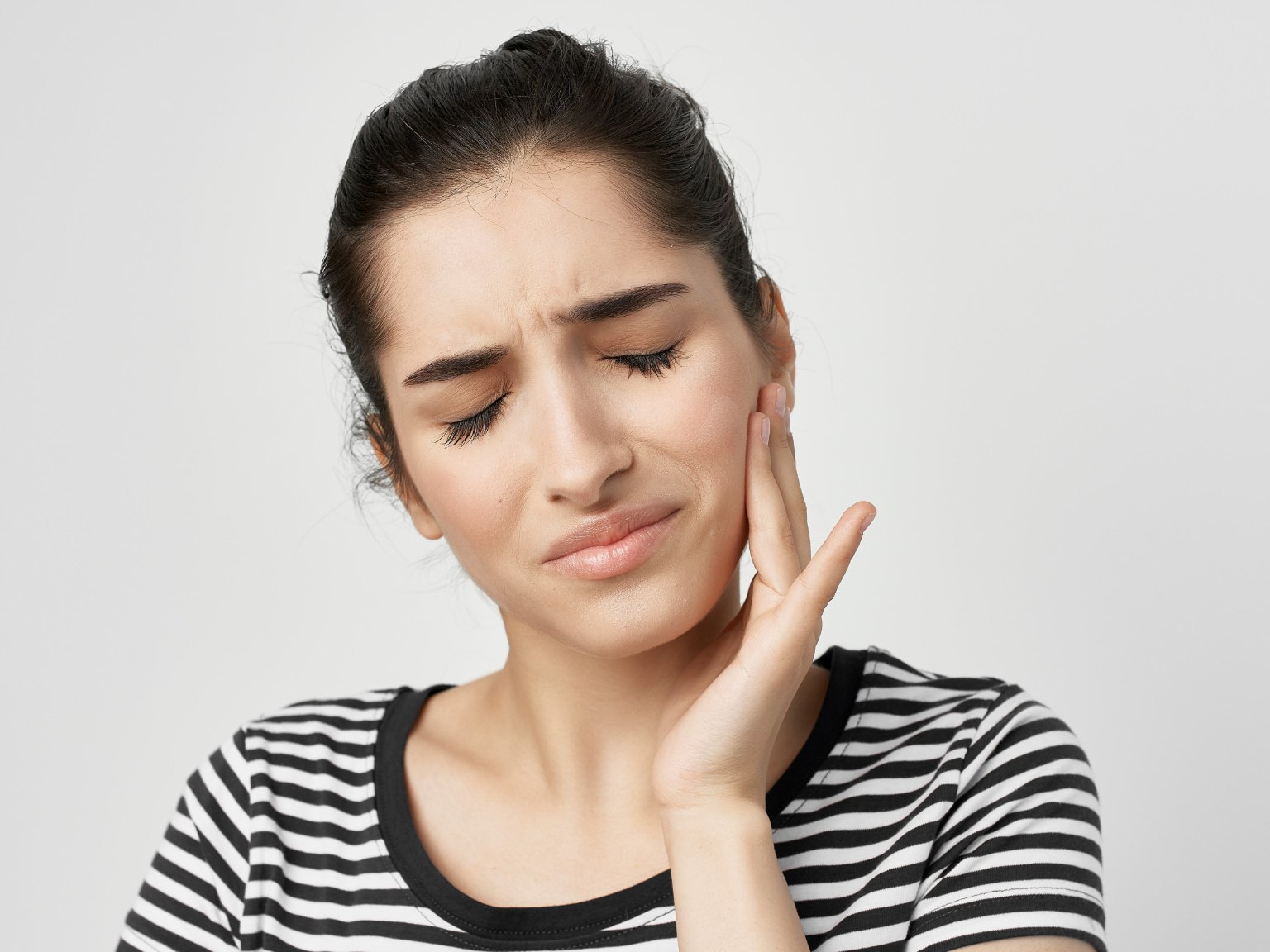
Jaw pain or tenderness
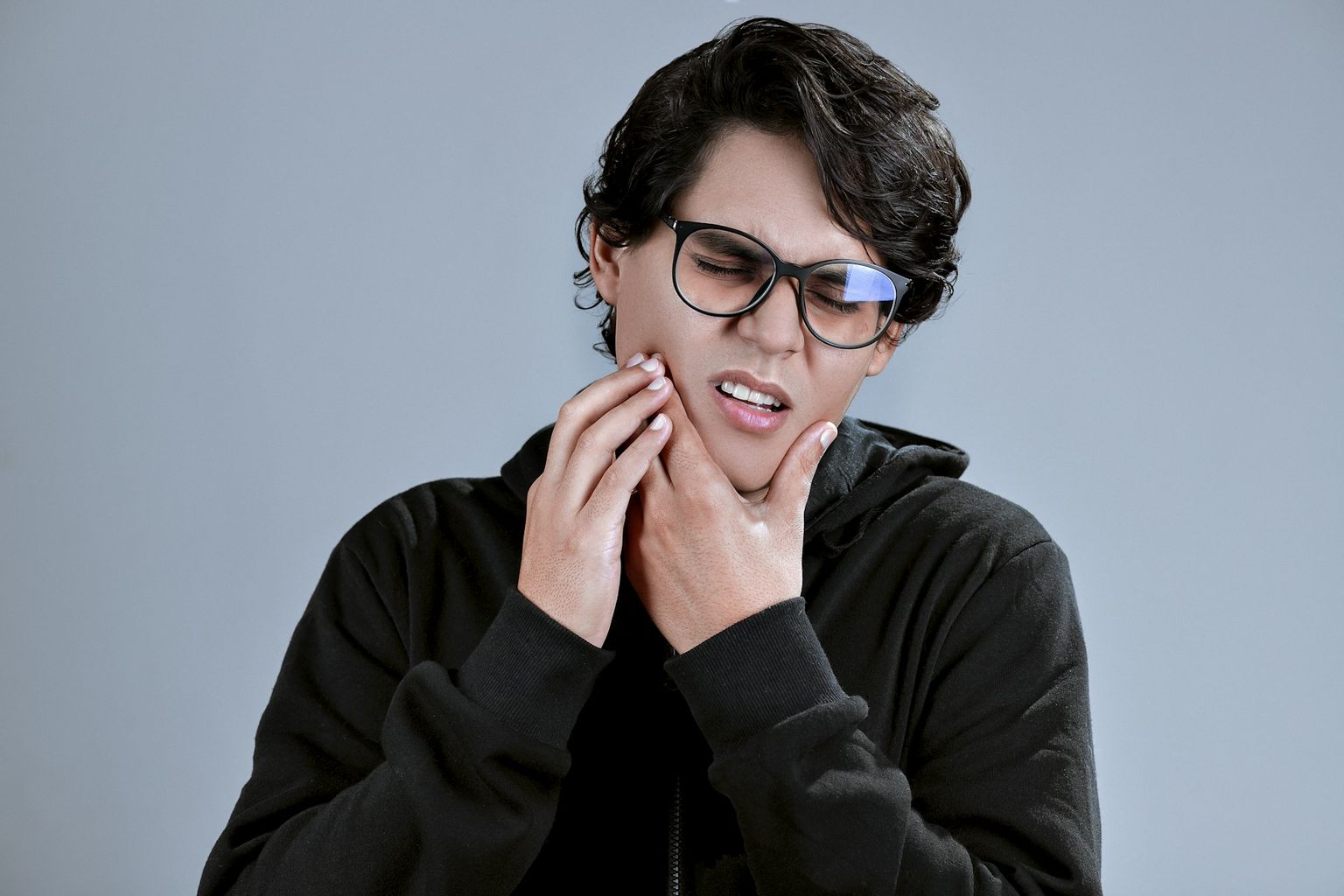
Persistent, and worse when speaking or chewing.

Jaw pain, headaches, earaches, a jaw that clicks or locks. Most cases are treated without surgery, and often with an appliance you wear at night.
Is this you
TMD symptoms mimic other conditions, which is why patients so often arrive having been treated for migraine or an ear infection first.
Persistent, and worse when speaking or chewing.
Frequent headaches or migraines, sited exactly where the jaw muscle is.
Or a grating sound, when you open or close your mouth.
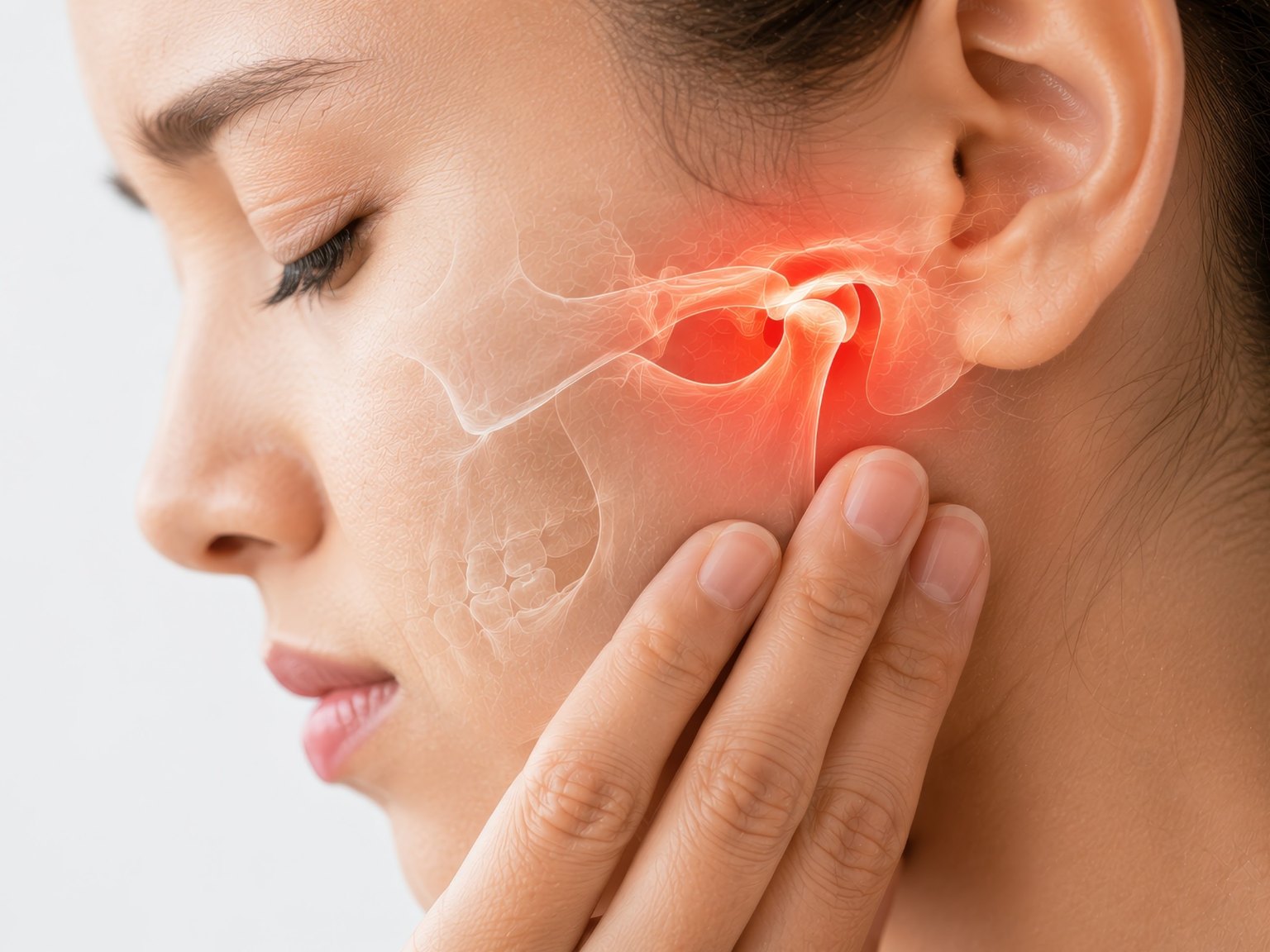
Earache, ringing (tinnitus), or a sense of fullness in the ear with nothing wrong in it.
And the four that people least expect to be a jaw problem
The Treatment
The temporomandibular joints are the two small joints either side of your face, connecting jaw to skull. TMD is what happens when they become misaligned, inflamed or simply overworked.
The temporomandibular joints (TMJ) are the small, delicate joints located on each side of your face, connecting your jawbone to your skull. They allow you to move your jaw up and down and side to side, making it possible to talk, chew, and yawn. When these joints become misaligned, inflamed, or overworked, it can lead to TMD — a painful condition affecting jaw function and comfort.
Our goal is to relieve discomfort, restore proper jaw function, and prevent long-term complications. Every patient receives a customized TMD treatment plan designed specifically to address their unique symptoms and lifestyle.
Six causes, and the treatment follows the cause rather than the symptom
The Options
The practice’s own five non-invasive therapies. These are what the great majority of patients are treated with.
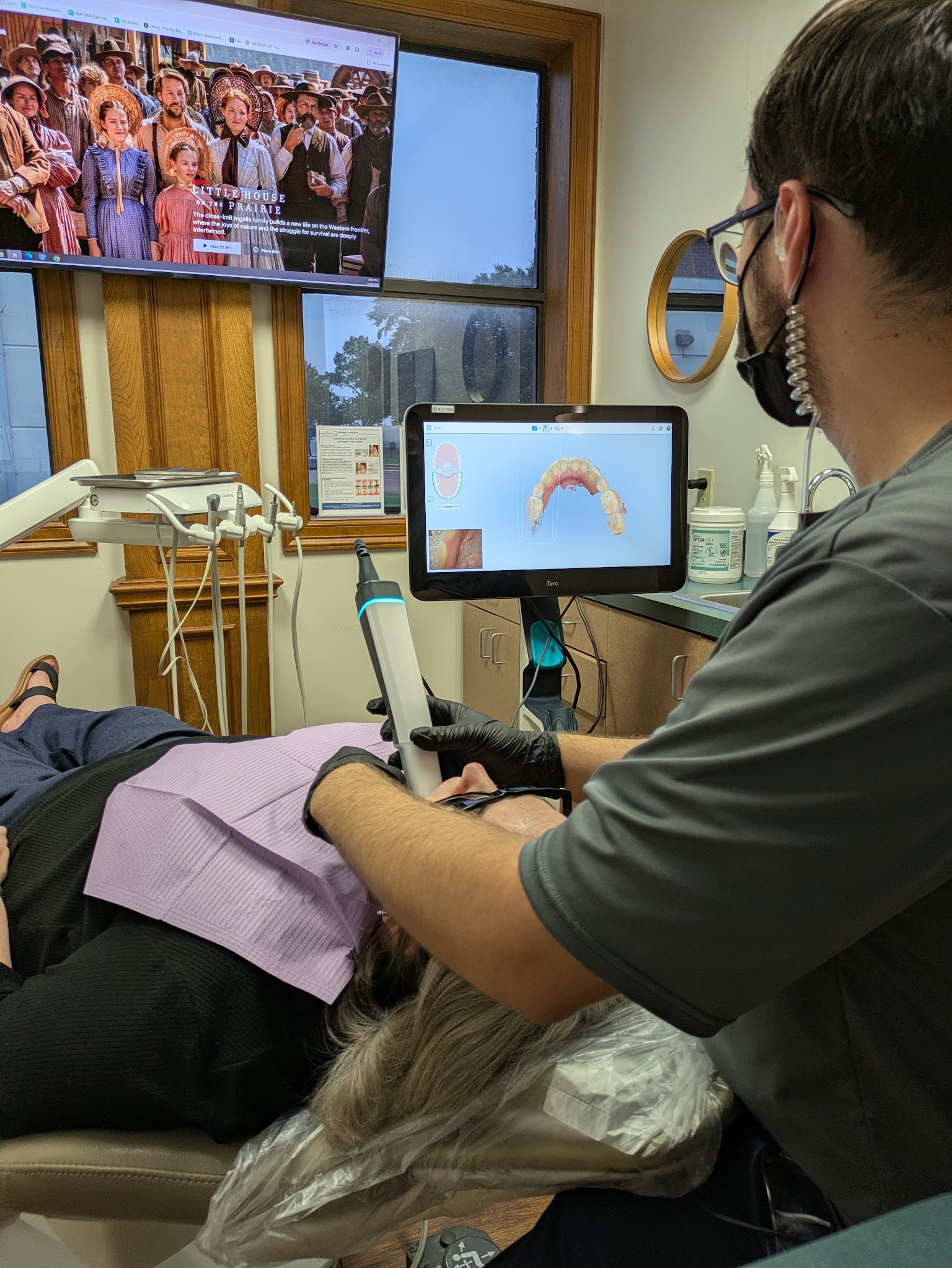
Prevents nighttime grinding, easing the pressure on the joint. Often the whole treatment. See night guards.
Worn day or night to stabilise the jaw and correct its positioning.
Exercises and stretches to improve jaw mobility, flexibility and strength.
Counselling or relaxation techniques, because unconscious clenching has a cause worth addressing.
Anti-inflammatories or muscle relaxants, prescribed to manage the symptoms while the cause is treated.
Rarely surgeryExtreme cases only
Where non-surgical methods are not enough: corticosteroid injections, orthodontic treatment to correct the bite, or — in extreme cases only — arthroscopy or open joint surgery.

Your dentist
Dr. Dave Cho’s calm, laid-back manner suits a jaw that is already sore, and Dr. William Sung brings years of experience across a wide range of TMJ and TMD cases. No two are treated the same way, because no two have the same cause.
 Also on the teamDr. William Sung, DMDFellow of the Academy of General Dentistry
The Path

A comprehensive review of your dental and medical history. Much of the answer is usually in here.
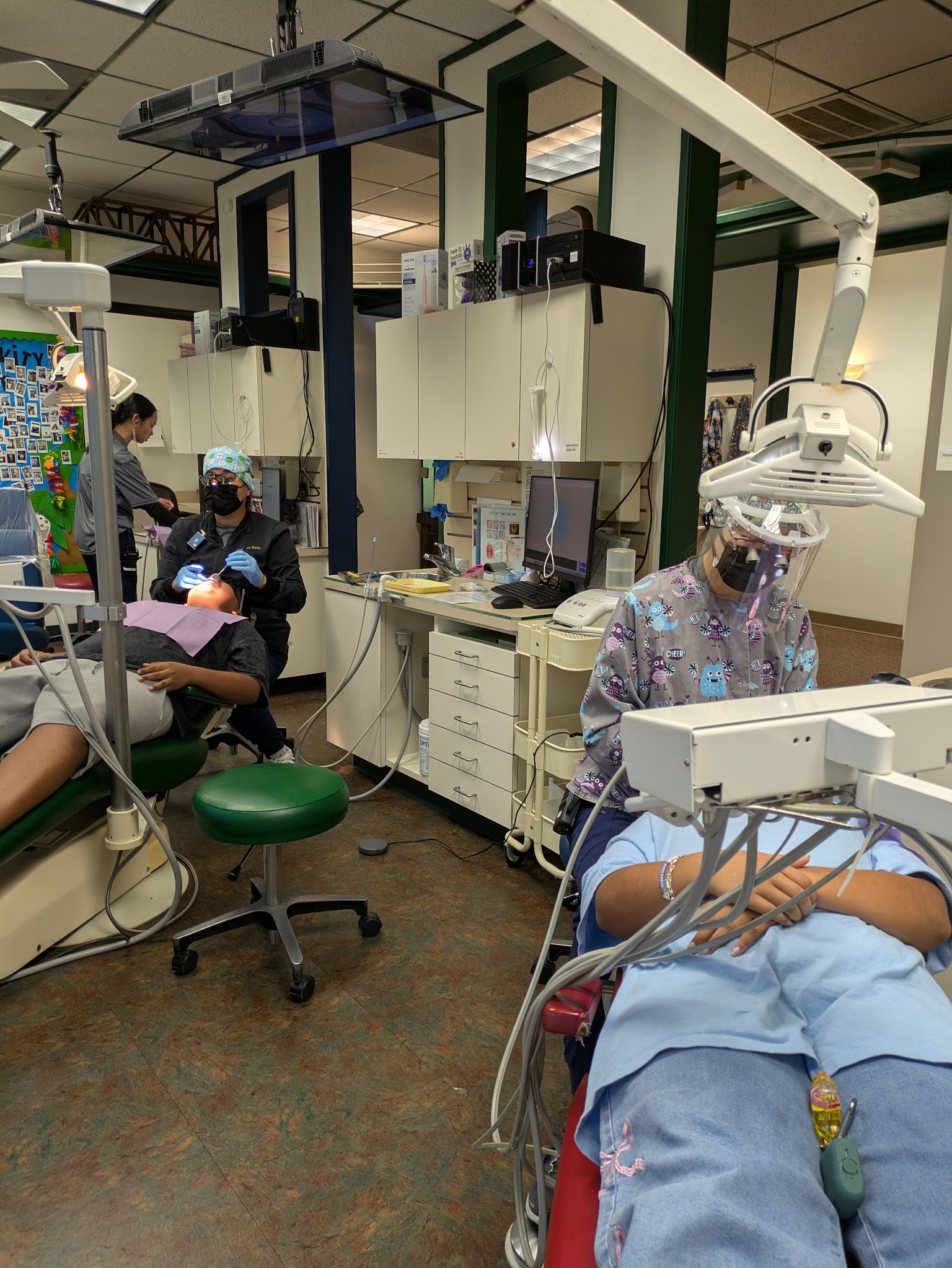
Jaw movement and muscle tenderness, examined by hand. Where it clicks, where it catches, where it hurts.
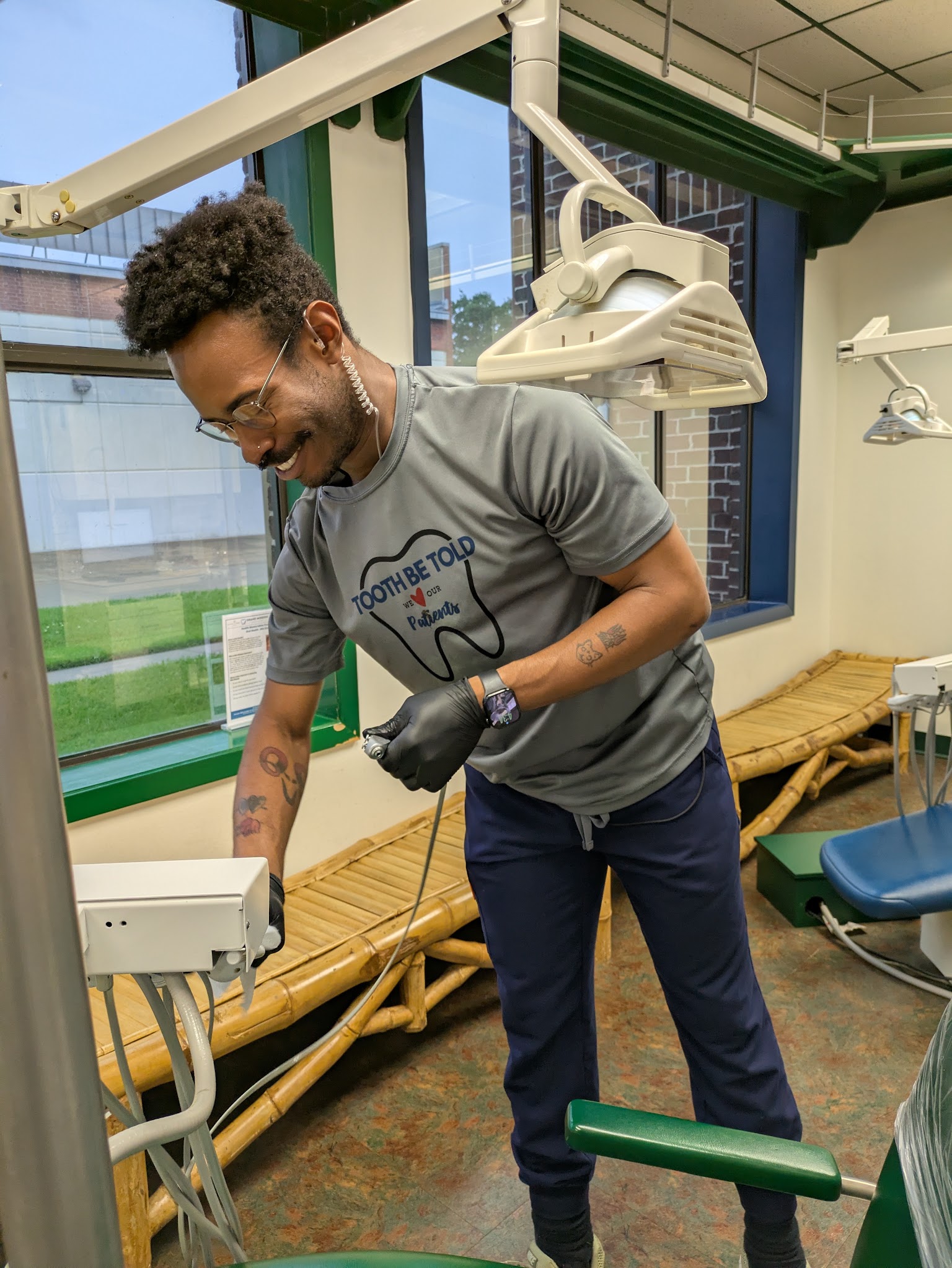
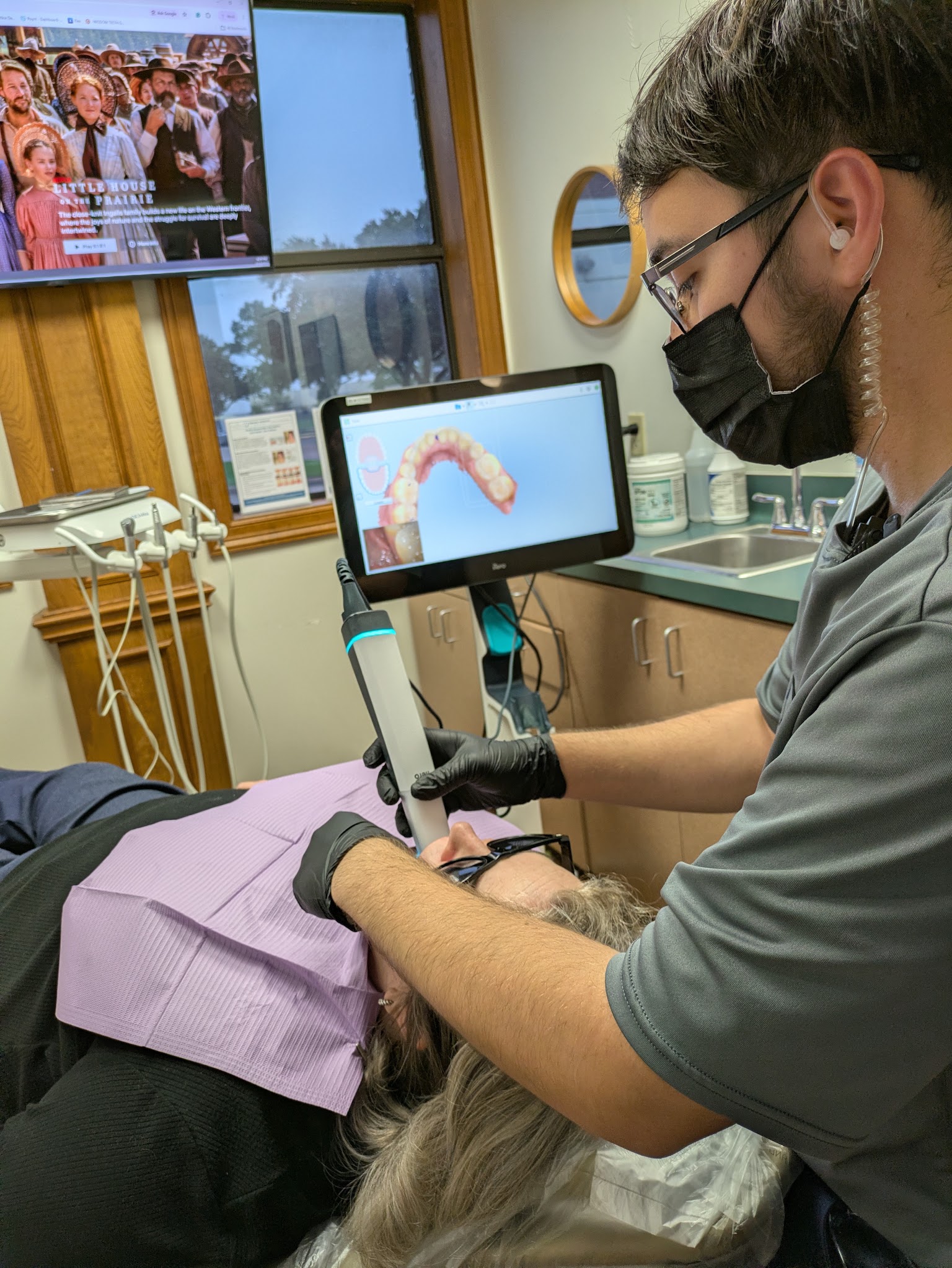
Digital x‑rays or 3D imaging, to assess the joint and the bone structure around it.
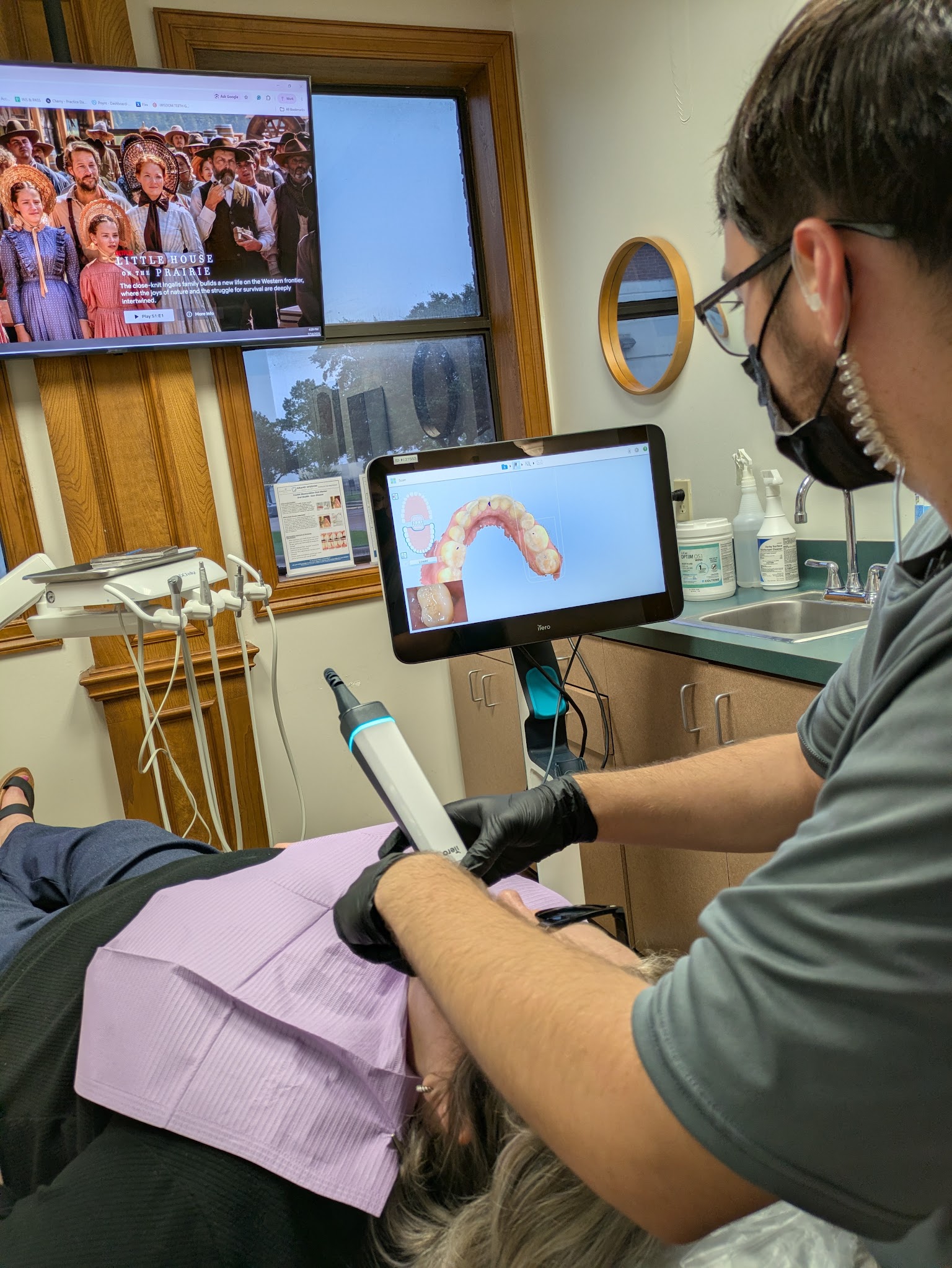
How the teeth meet, and whether that is loading the joint unevenly.

Clenching, grinding, stress, posture. This conversation often changes the plan more than the imaging does.
A personalised TMD treatment plan follows the diagnosis, not a protocol. Most start with an appliance.
Book an appointmentOr call (281) 769-8878
The Alternatives
Anti-inflammatories and muscle relaxants have a real place here — they are one of the five therapies. The distinction is using them alongside treatment rather than instead of it.
Because the commonest causes are dental ones, and the commonest treatment is a dental appliance.
The Cost
TMD is a course of treatment rather than a single procedure, so it is quoted as a plan once the diagnosis is made.
A planQuoted after diagnosis
The consultation and diagnosis come first, then a costed plan. Many patients need only an appliance.
Which therapies your case calls for, and whether damage from grinding also needs repairing.
Many plans cover an occlusal guard. See insurance and financing and the savings plan.
The Proof
Really quick and easy, i was in and out for a teeth cleaning and loved every second. i am i first time customer and i will be returning soon. Doctor Tiffany and Dr Cho were VERY helpful and nice, accommodating my needs and request!
The staff here is super friendly and informative. Just had my cleaning and exams done, and they were thorough without being rough. The dental filling went really well, didn’t hurt one bit, and they took extra care to ensure it looked great. Overall, a very clear and calm vibe in the office. Highly recommend checking them out for your family dentistry needs.
Reem Almekhlafi
Very friendly staff and were willing to help in every way! Felt more comfortable here than at any other dentist office in the past, highly recommend!
Gabriel Sanchez
Jen is the best so personable and relatable. Makes the process so smooth. Love this place!
Kristian Ball
Questions
Almost certainly not. Most cases of TMD are treated with non-invasive methods: a custom night guard, an oral splint or bite appliance, physical therapy, stress management, or medication. Corticosteroid injections, orthodontic treatment and joint surgery are reserved for cases where those are insufficient, and surgery only in extreme ones.
Because the commonest cause of TMD is grinding, which is diagnosed from the wear pattern on your teeth, and the commonest treatment is an appliance made from impressions of them. Headaches around the temples are one of the eight recognised TMD symptoms.
Worth mentioning at your next checkup. Clicking, popping or grating when opening or closing is one of the symptoms, and catching it before there is pain means preventing long-term joint degeneration rather than treating it.
It can be. Earache, ringing in the ears and a sense of ear fullness are all recognised TMD symptoms, and they mimic other conditions closely enough that professional diagnosis is essential.
Six things: jaw injury or facial trauma, chronic teeth grinding, arthritis or degenerative joint disease, misaligned teeth or an abnormal bite, stress and anxiety leading to clenching, and poor posture affecting jaw alignment. Identifying which is yours is what the diagnosis is for.
A comprehensive review of your dental and medical history, a physical examination of jaw movement and muscle tenderness, digital x‑rays or 3D imaging of the joint and bone, a bite alignment analysis, and a discussion of habits like clenching and grinding.
The Invitation
If you have been treated for migraines or an ear problem and nothing helped, bring that history. It is often the missing piece.