01
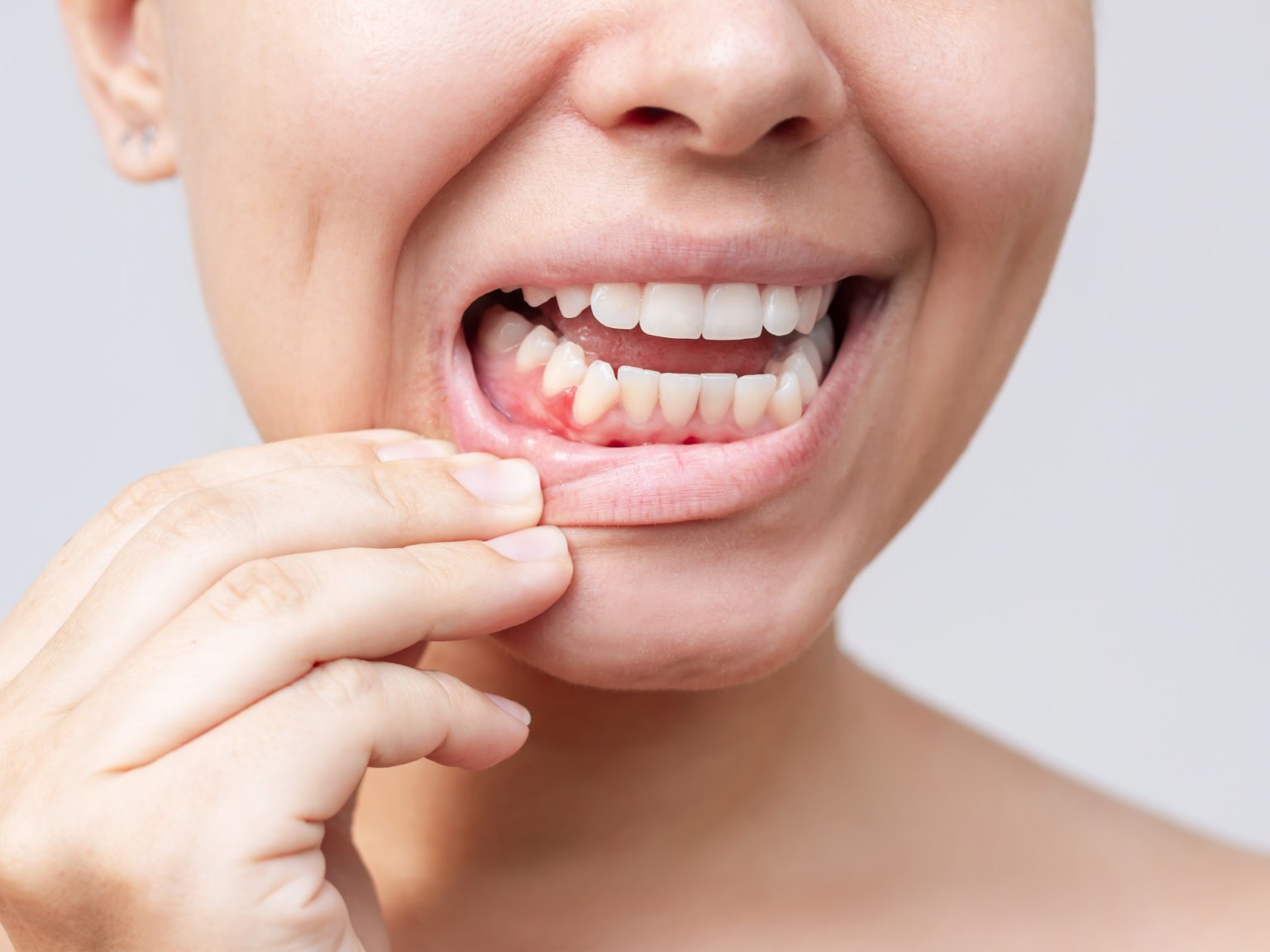
A sore that will not heal
Persistent, rather than the ulcer that comes and goes.

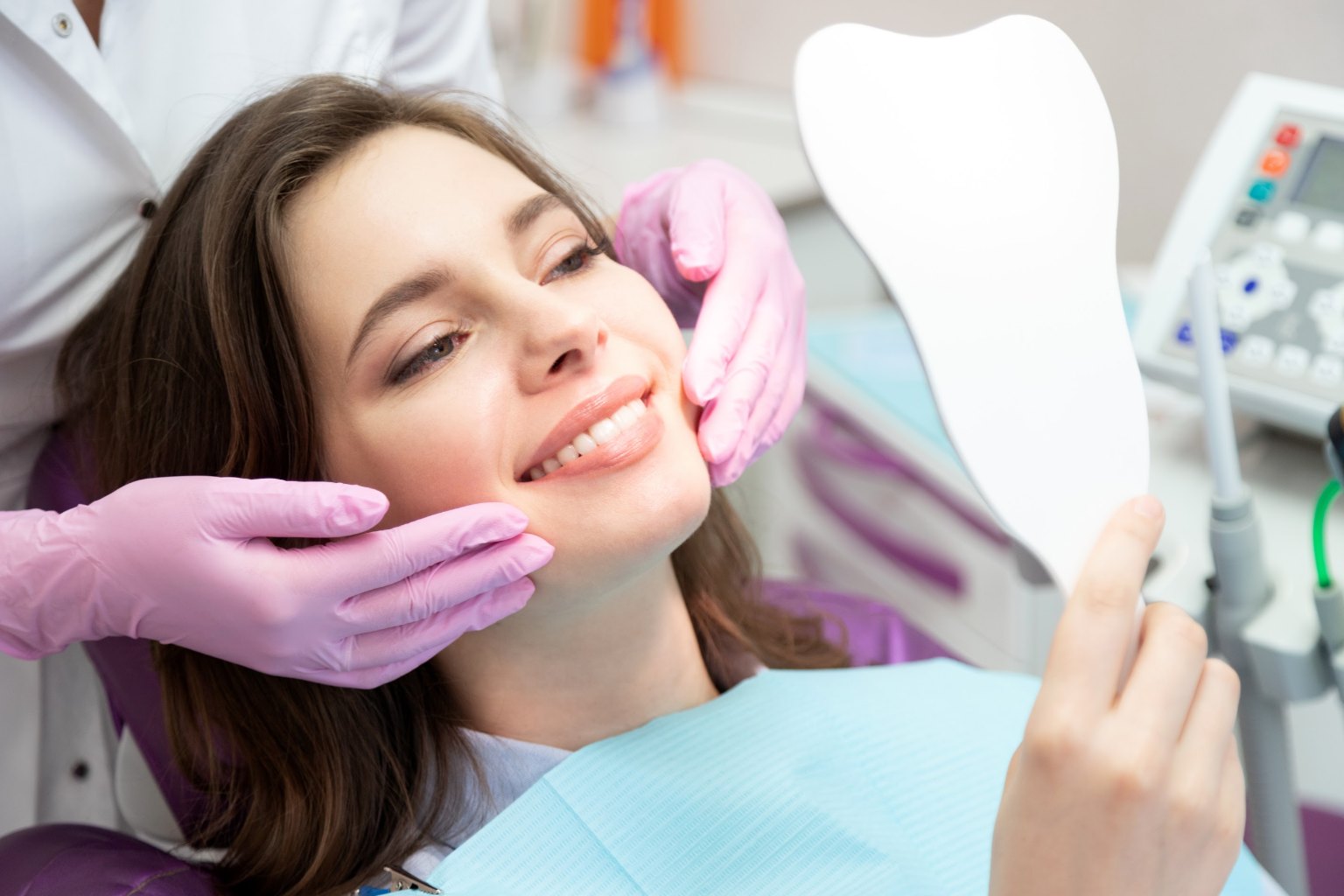
A few minutes at every checkup, with no needles and no downtime. Caught early, the five-year survival rate is 80–90%. Caught late, it is 30–40%.
Is this you
Most of these turn out to be nothing. That is not a reason to leave one of them for a few more months.
Persistent, rather than the ulcer that comes and goes.
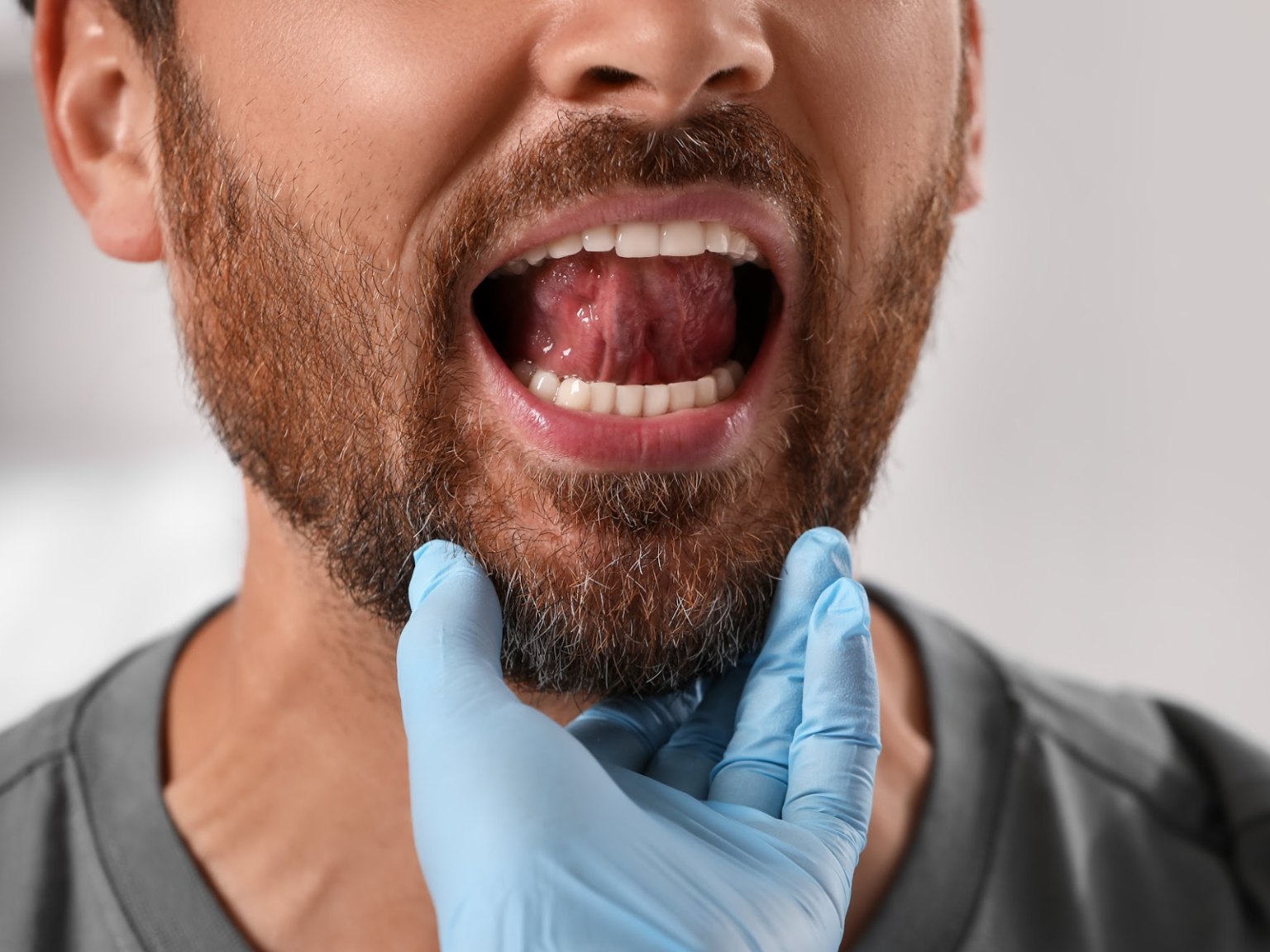
Anywhere inside the mouth, including under the tongue.

A change in how food moves, not a one-off.
In the cheek, the neck, or under the jaw.

A voice change that has outlasted a cold.
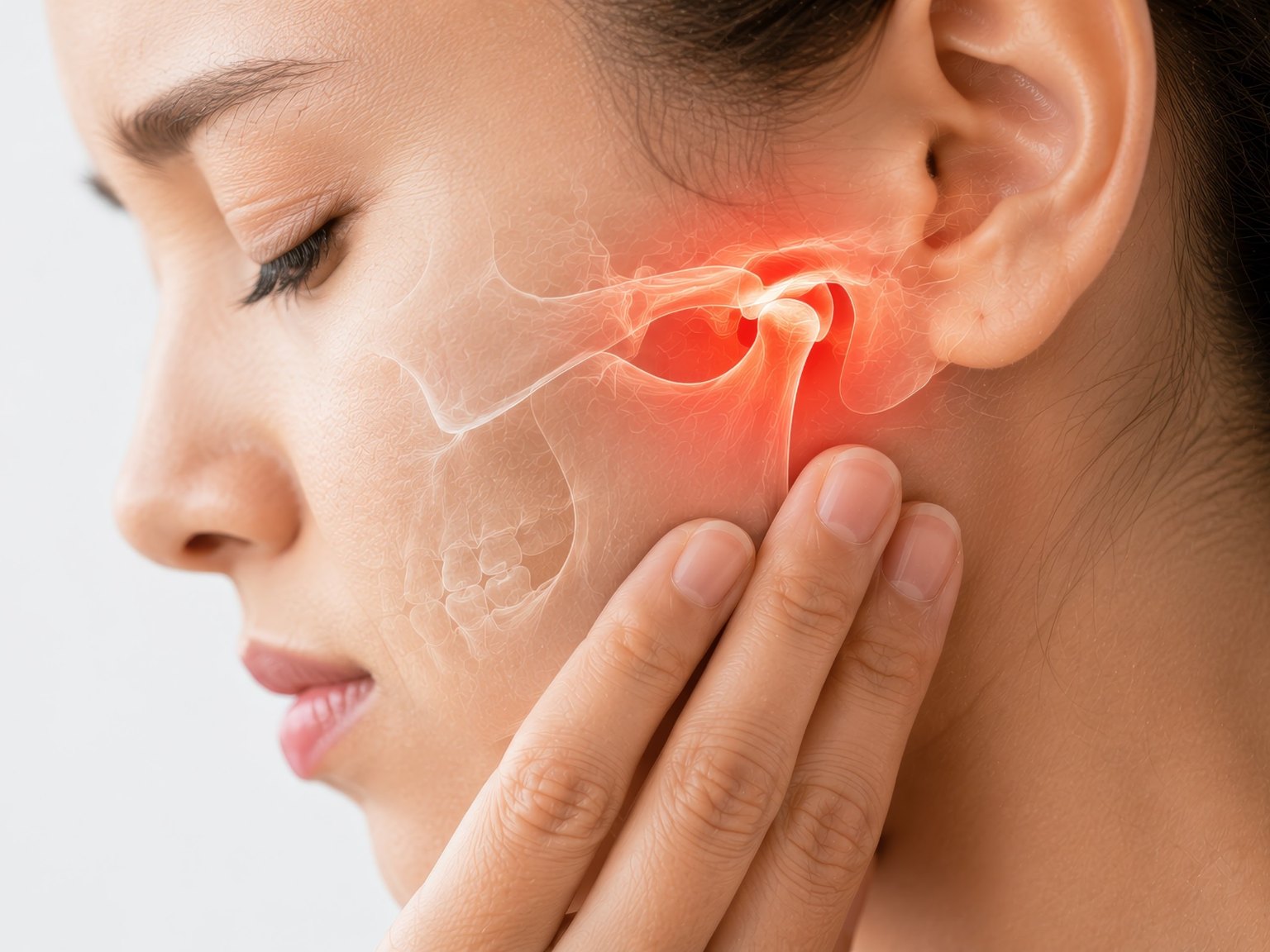
In the mouth or the face, with no dental work to explain it.
And who the practice recommends an annual screening for
The Screening
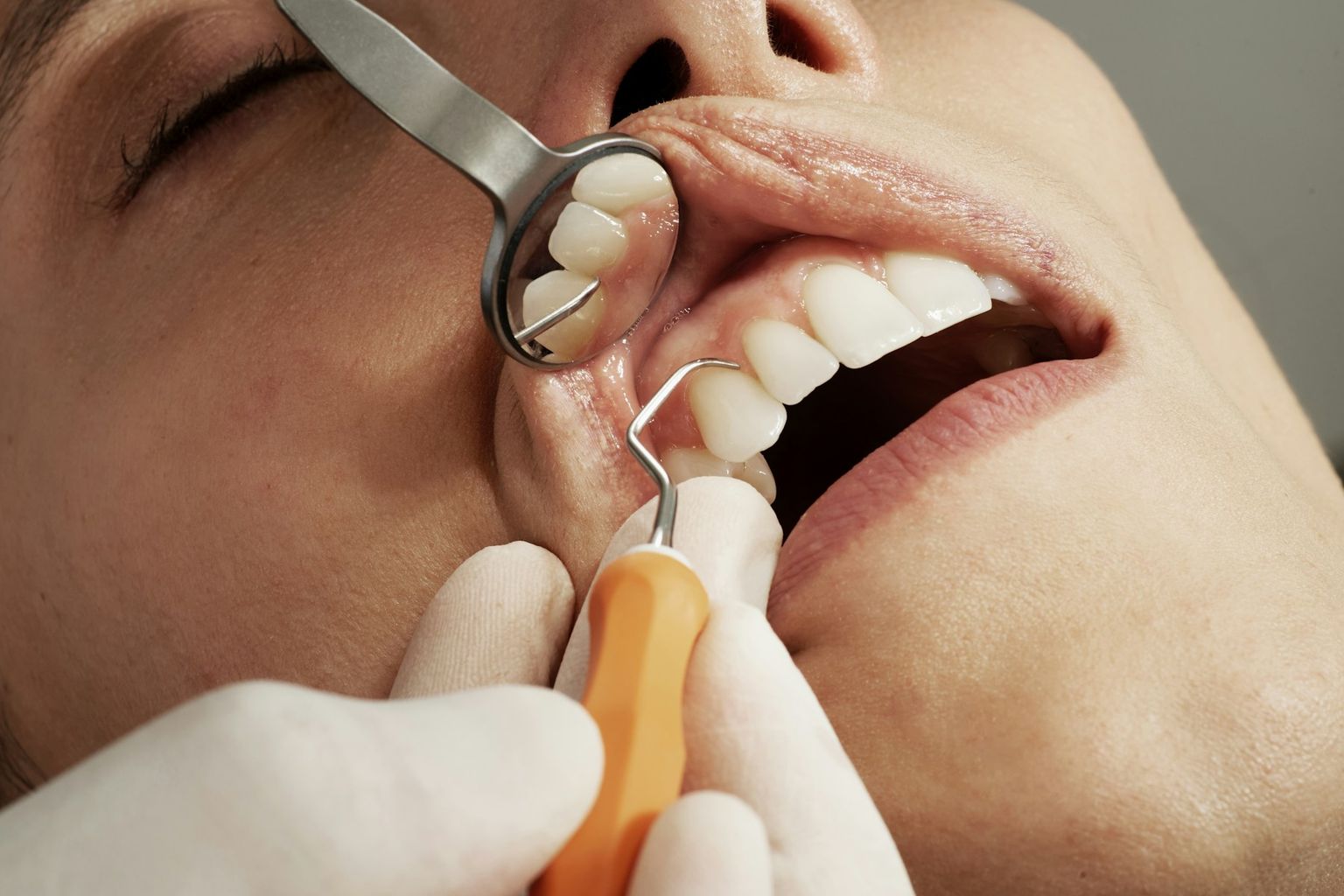
Oral cancer is one of the most underdiagnosed cancers, largely because it produces no noticeable symptoms until it has progressed. The practice does not wait for symptoms — the screening is built into the routine visit.
When oral cancer is caught early, it’s much more manageable. The treatment is less invasive, the recovery is quicker, and the survival rate is significantly higher. According to the Oral Cancer Foundation, the five-year survival rate for oral cancer jumps to nearly 80–90% when detected early, compared to just 30–40% in late-stage diagnoses.
Early detection gives patients a fighting chance before cancer spreads to surrounding tissues or other parts of the body. It allows us to take swift, targeted action, which could mean the difference between a simple outpatient procedure and more aggressive treatments like surgery or radiation.
We use advanced screening technology to enhance accuracy, and we document each exam to monitor any changes over time. If a suspicious area is identified, we take the appropriate steps for further testing or professional referrals.
Seven places it can appear, and most of them are out of your own sight
Why This One
It is the only treatment on this site whose entire value is in finding nothing, most of the time.
80–90% five-year survival caught early, against 30–40% late. No other number on this site moves like that.
The difference between an outpatient procedure and surgery with radiation.
The throat, the palate, under the tongue, the lymph nodes. None of these are visible in a bathroom mirror.
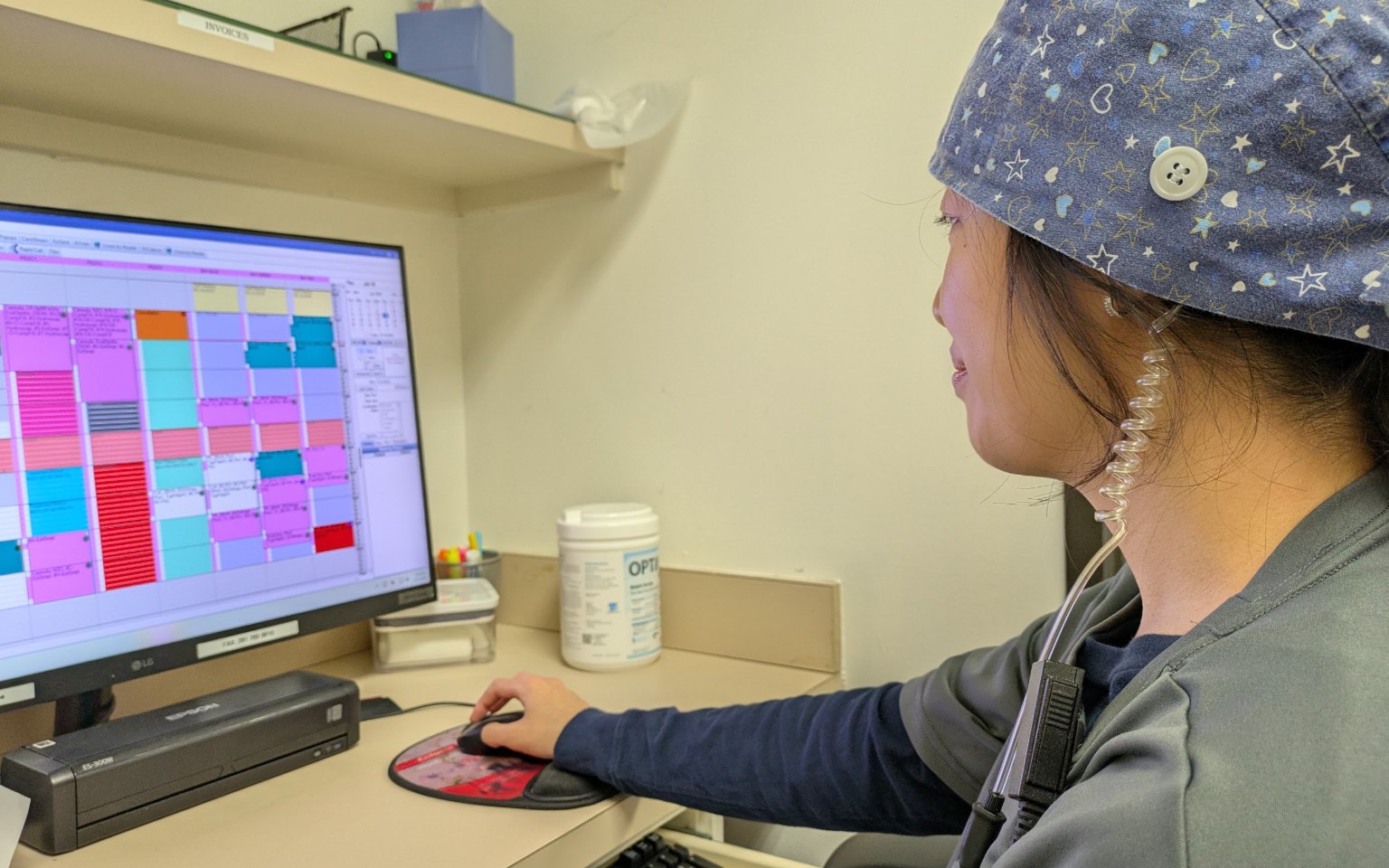
Each exam is recorded, so a change between visits is a change and not a memory.
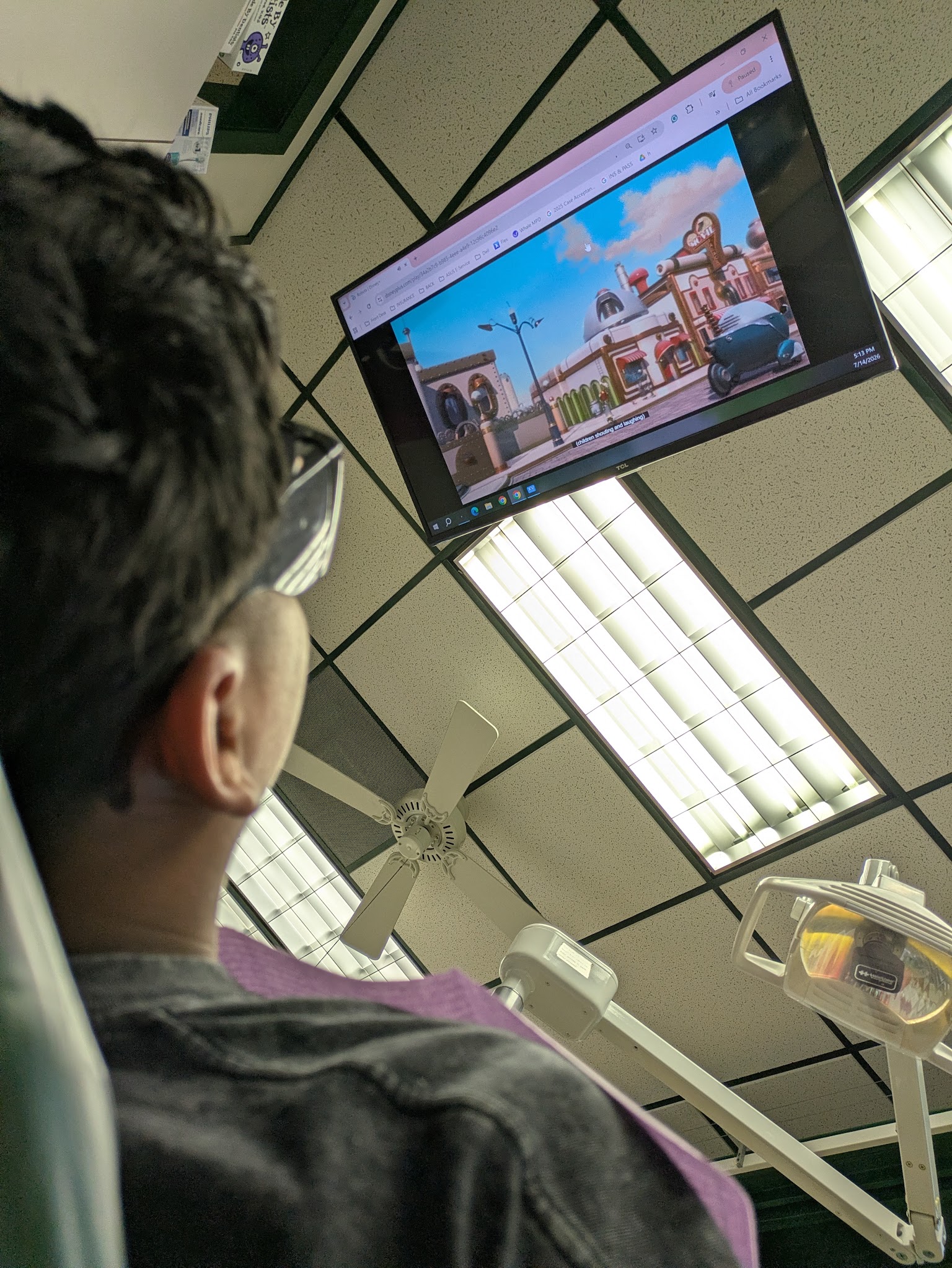
Non-invasive, painless, no downtime, and folded into an appointment you were already having.
A suspicious area means further testing or a referral, promptly. This practice screens; it does not treat cancer.
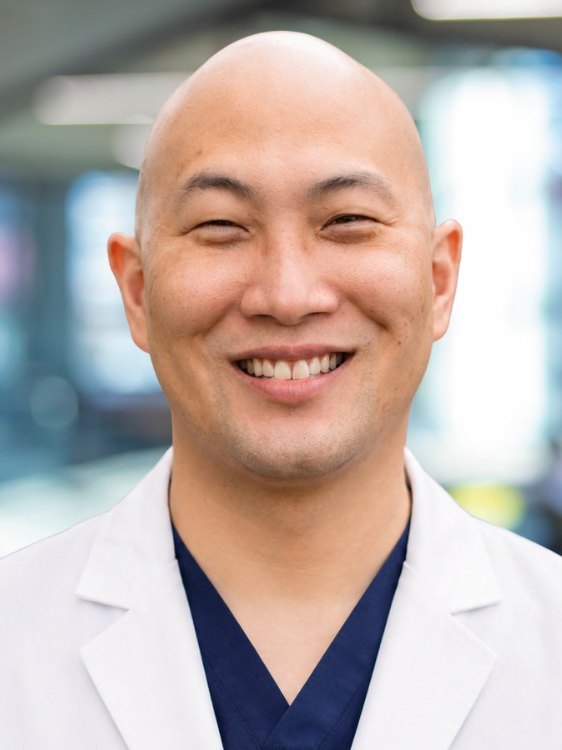
Your dentist
Dr. Dave Cho explains what he is looking for while he looks, which is why patients here tend to know their own risk factors.
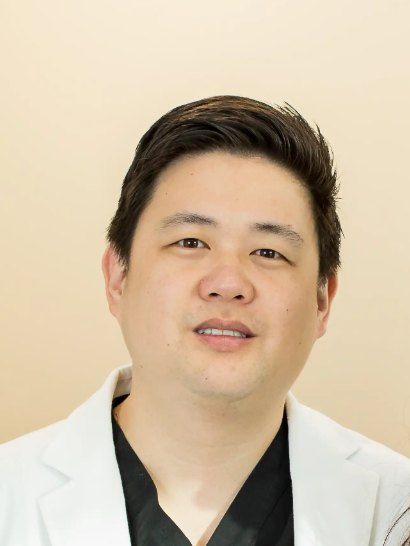 Also on the teamDr. William Sung, DMDFellow of the Academy of General Dentistry
These are used when the visual and physical examination raises a question, not routinely. The screening itself is the light, the mirror and the hands.
Oral cancer doesn’t exist in a vacuum — studies show links between oral and systemic health, and a delayed diagnosis can affect your immune system, respiratory function, and overall quality of life.
The Path
An overhead light and a mirror, over the lips, cheeks, tongue, palate, floor of the mouth and throat. Looking for white or red patches, sores, swelling and discolouration.
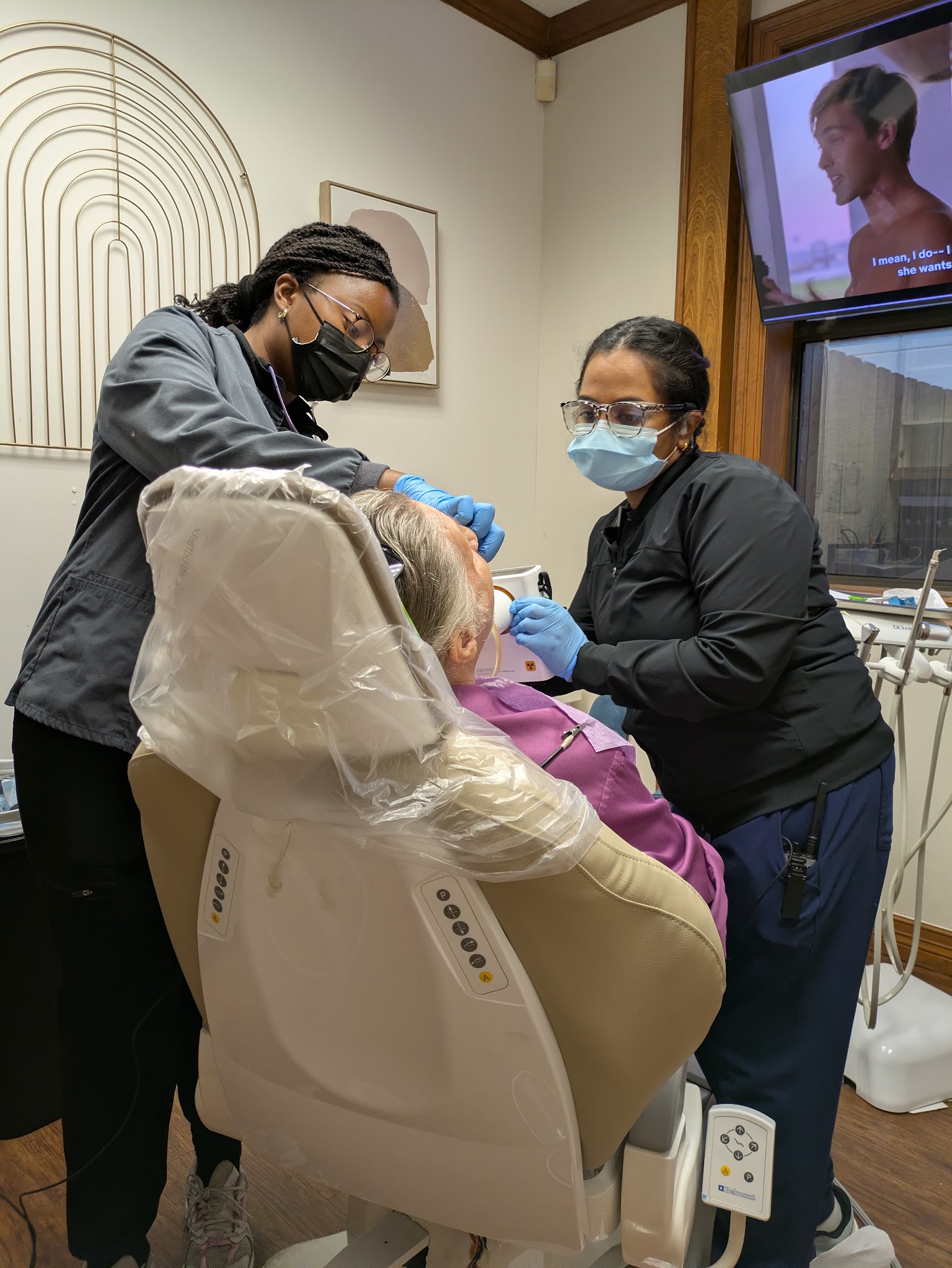
Gently feeling the floor of the mouth, under the tongue, the neck, the jawline and the lymph nodes, for lumps, nodules or thickening.
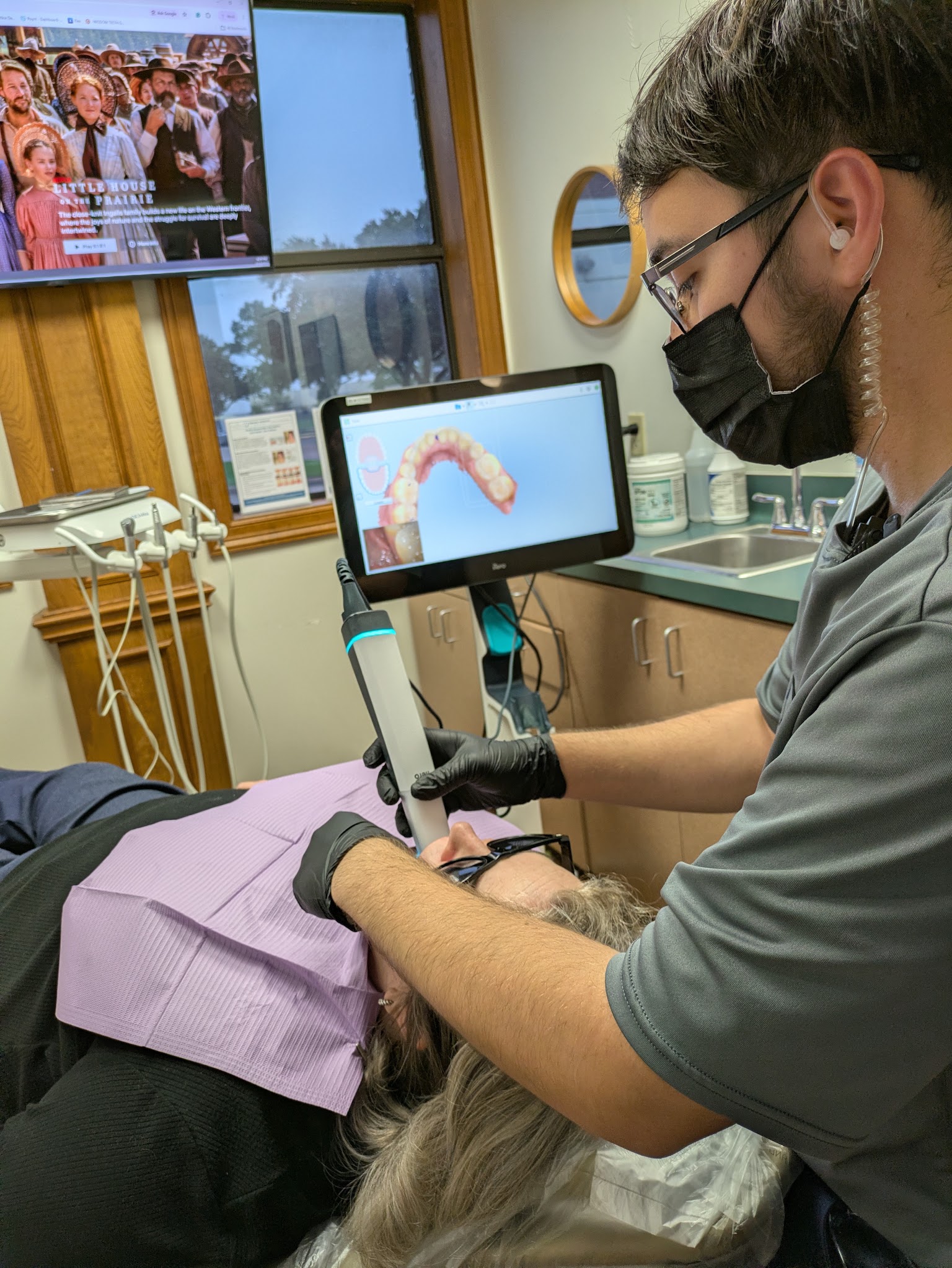
Fluorescence imaging, tissue staining, or a brush biopsy, only where the first two steps raise a question.

Further testing, or a referral to the right specialist, promptly. You are told what was seen and what it might be.
By the time oral cancer produces symptoms it has usually progressed. That is the entire argument for screening while nothing is wrong.
Book an appointmentOr call (281) 769-8878
The Alternatives
Checking your own mouth is worth doing and is not a substitute. If you find something, that is a reason to call rather than to watch it.
Once a year at minimum, as part of a dental checkup. Twice a year for higher-risk patients.
The Cost
The screening is a standard part of a dental checkup at this practice, not an upsell attached to one.
StandardPart of the exam
Included in a routine checkup, which most insurance plans cover twice a year.
Fluorescence imaging or a brush biopsy is discussed and quoted before it is done, never afterwards.
The Proof
Had my cleaning and exams today, and the staff was super friendly. They explained everything in detail and made me feel at ease. Not just a routine visit, more like a mini spa for my teeth. A great feeling knowing they really look after your health too. Highly suggest making this place your go to.
The staff here is super friendly and informative. Just had my cleaning and exams done, and they were thorough without being rough. The dental filling went really well, didn’t hurt one bit, and they took extra care to ensure it looked great. Overall, a very clear and calm vibe in the office. Highly recommend checking them out for your family dentistry needs.
Reem Almekhlafi
Had a very good time at the dental office. The cleaning was thorough and Genevieve did an amazing job! The high tech tools made me feel at ease. It’s a calm atmosphere, which is just what anyone needs before a visit. Definitely a convenient place for dental care. Highly recommend it for anyone needing cleaning and exams.
Glenn Adrian De La Garza
Very friendly staff and were willing to help in every way! Felt more comfortable here than at any other dentist office in the past, highly recommend!
Gabriel Sanchez
Questions
At least once a year, during a dental checkup. For higher-risk patients, twice a year may be advised. Dr. Dave Cho will discuss the right timeline based on your personal risk factors and medical history.
No. The screening is completely non-invasive and takes just a few minutes. There are no needles, no pain and no downtime, and it is integrated into your regular checkup.
Yes. HPV-16 contributes to oropharyngeal cancers and often goes undetected for years, and people with none of the traditional risk factors can still be affected. Every adult benefits from regular screening regardless of age or current health.
If a suspicious area is identified, we take the appropriate steps for further testing or a professional referral. Enhanced tools — fluorescence imaging, tissue staining, or a brush biopsy for laboratory evaluation — may be used first to get a clearer picture.
The lips, the inside of the cheeks, the gums and jawline, the tongue and the floor of the mouth, the soft and hard palate, and the throat and tonsillar area. Most of those are hidden or easy to overlook, which is why signs go unnoticed without a professional evaluation.
Because a dentist looks inside your mouth twice a year and has a record of what it looked like last time. The screening is documented at each exam so changes over time are visible.
The Invitation
If you have had a sore, a patch or a lump for more than two weeks, call rather than book online, and say what it is.