Bone Grafting in Katy, TX – Restore Your Smile at Mason Park Dental
At Mason Park Dental of Katy, we specialize in bone grafting procedures that help rebuild and strengthen your jawbone. Whether you’re preparing for dental implants or looking to correct bone loss caused by injury, gum disease, or missing teeth, our advanced techniques offer long-term results for a healthier smile.
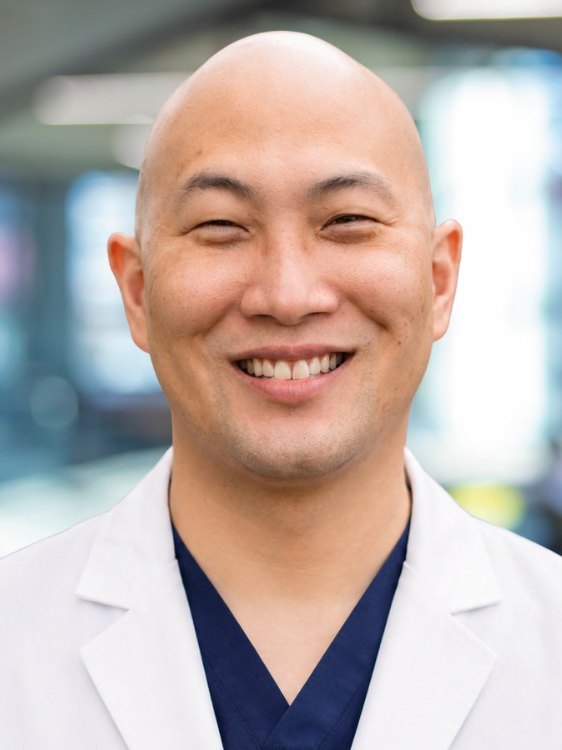
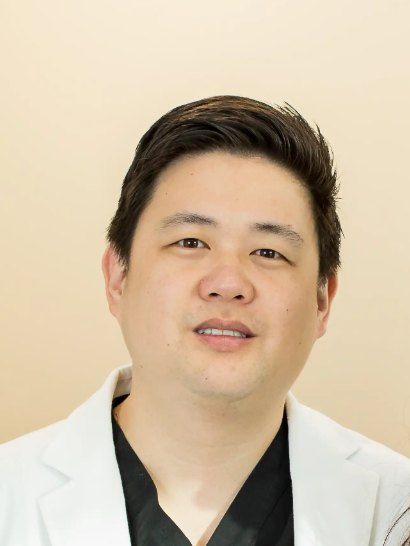
Led by Dr. William Sung, our team uses innovative and minimally invasive techniques to deliver reliable outcomes for patients across Katy and the surrounding areas.
Why You May Need Bone Grafting
Tooth loss, periodontal disease, trauma, and infection can all result in a loss of bone in the jaw. This makes it difficult or impossible to place dental implants without first rebuilding the bone structure. Bone grafting plays a crucial role in:
- Supporting dental implants
- Preserving the integrity of the jawbone
- Preventing further tooth loss
- Improving facial structure and oral health
If you’re interested in bone grafting in Katy, TX, our team will guide you through a personalized treatment plan designed to restore both form and function.
What Is Bone Grafting?
Bone grafting is a surgical procedure where natural or synthetic bone material is placed in the jaw to rebuild areas with insufficient bone. Over time, the graft integrates with your existing bone, creating a strong foundation for dental restorations like implants or bridges.
We perform bone grafting for dental implants and other restorative purposes using several different grafting options:
- Autogenous grafts (from your own bone)
- Allografts (donor bone)
- Xenografts (animal-derived)
- Synthetic grafts
Benefits of Bone Grafting
Patients who undergo jawbone grafting at our Katy office often experience:
- Increased implant success rate
- Restored facial symmetry
- Improved bite and chewing function
- Stronger support for surrounding teeth
- Reduced risk of future bone deterioration
Whether you’re addressing damage from advanced gum disease or simply preparing for a single dental implant, bone grafting restores both health and confidence in your smile.
Our Bone Grafting Procedures
1. Socket Preservation
After tooth extraction, bone in that area may begin to deteriorate quickly. We place a bone graft into the socket to preserve the structure and prevent bone loss, making it easier to place implants later.
2. Sinus Lift Surgery
When placing implants in the upper jaw, the bone may be too shallow due to the sinus cavity. A sinus lift raises the sinus membrane and allows us to add grafting material to create sufficient depth for implant placement.
3. Ridge Augmentation
Severe bone loss can cause the jaw ridge to collapse. Ridge augmentation rebuilds the natural contour of the jaw, allowing for better dental implant placement and improved facial esthetics.
4. Autogenous Bone Grafting
We may use bone from your own body—typically from the chin or back of the jaw—to provide the best compatibility and healing for jawbone restoration.
5. Allograft and Xenograft Options
Donor or animal-derived graft materials are often used when large areas need rebuilding or when the patient prefers not to use their own bone.
What to Expect During the Procedure
Step 1: Consultation
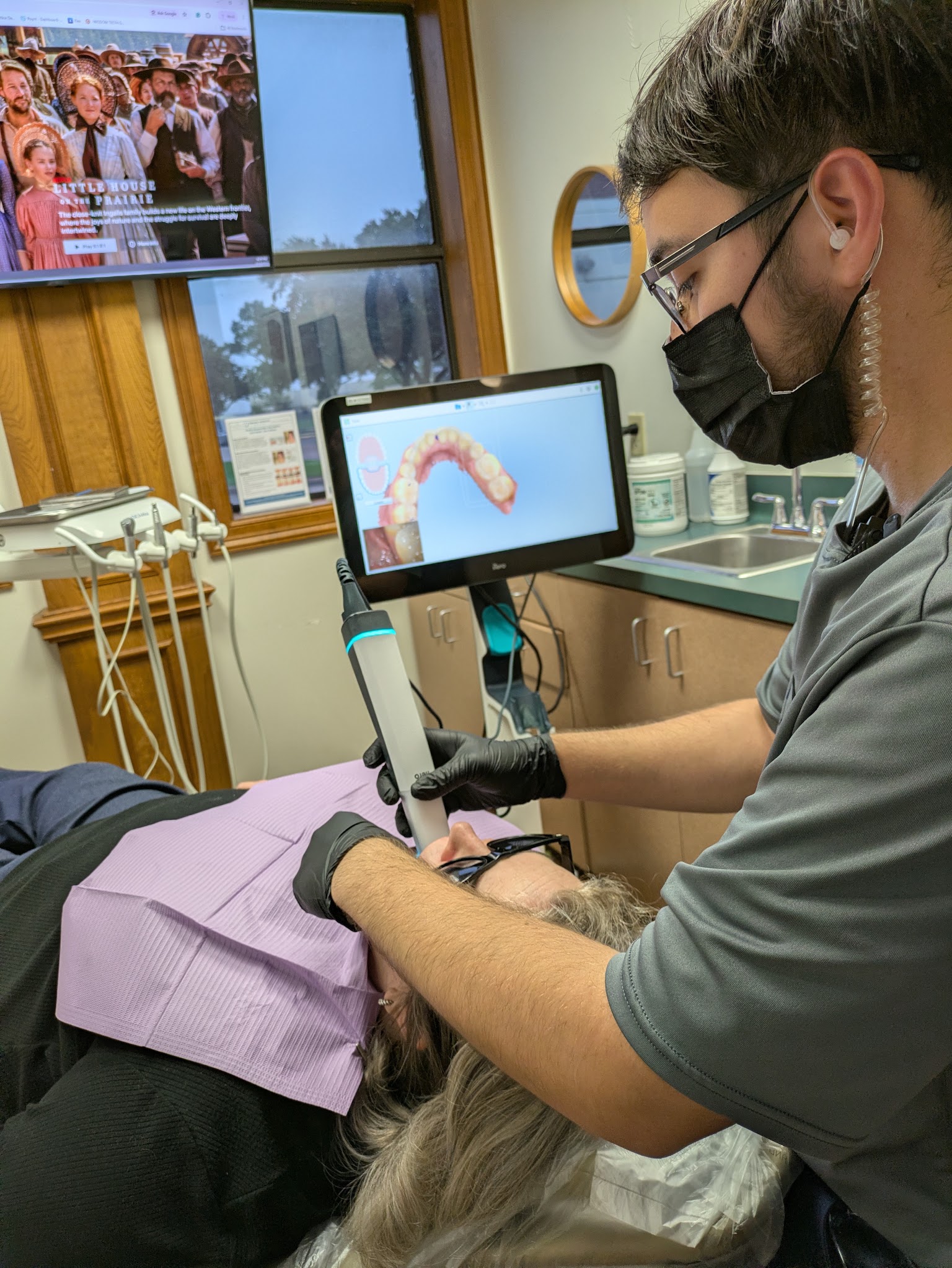
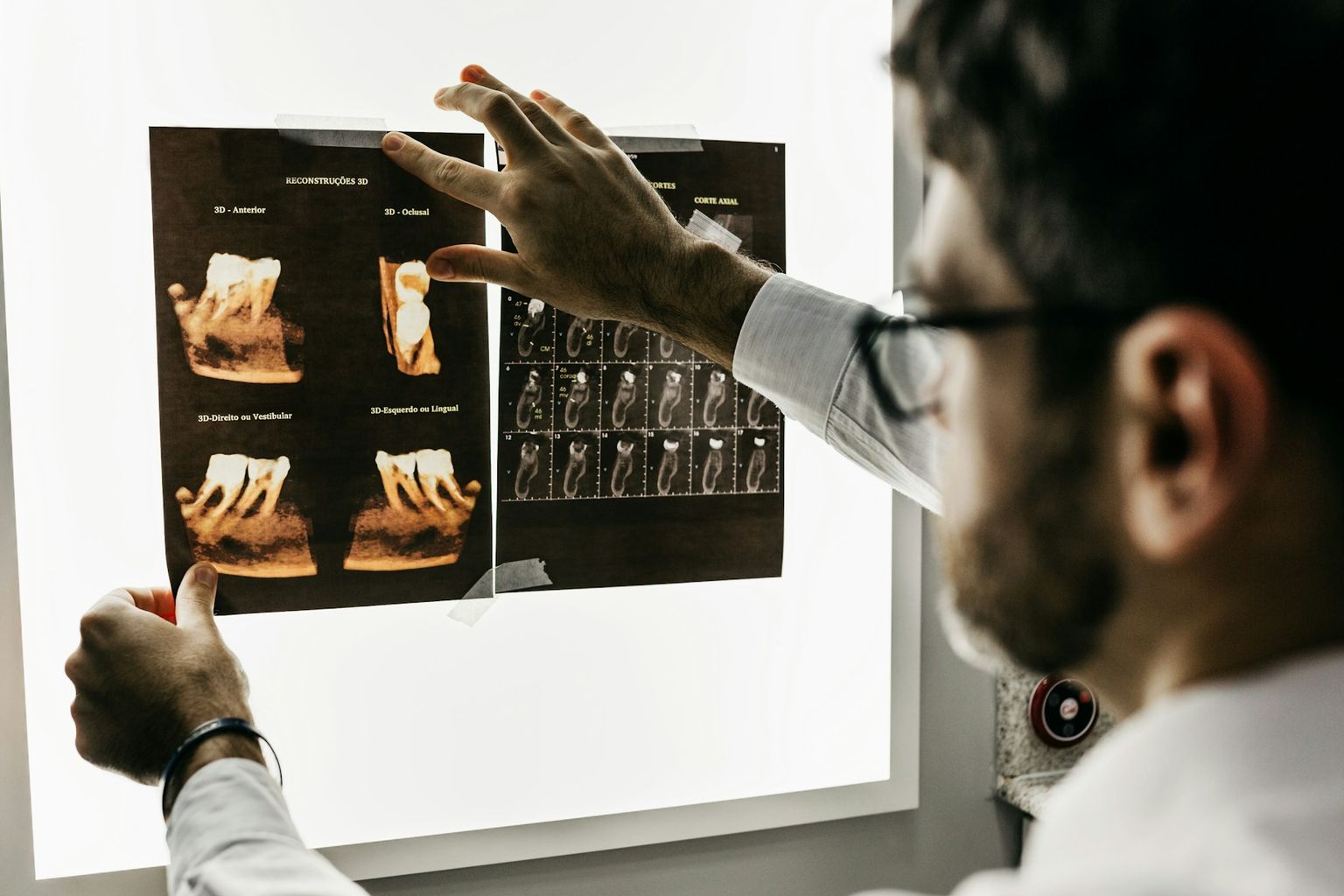
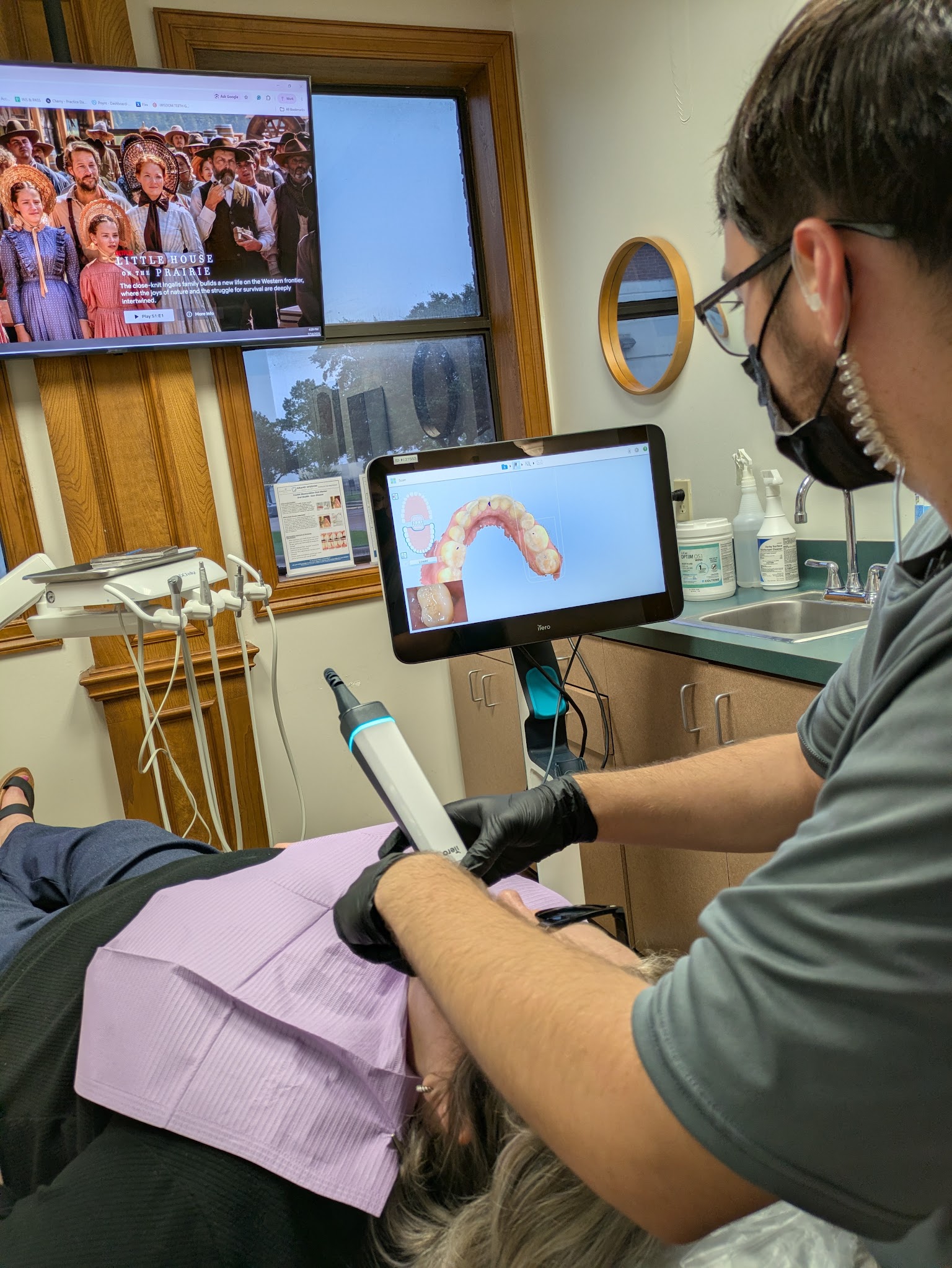
You’ll meet with Dr. William Sung for a comprehensive evaluation. We’ll assess the health of your gums, teeth, and jawbone using advanced imaging tools such as digital X-rays and 3D scans.
Step 2: Treatment Planning
Based on your specific needs, we’ll design a customized bone grafting treatment plan. This may include recommendations for the type of grafting material, sedation options, and integration timelines.
Step 3: Surgery Day
The area is numbed with a local anesthetic. We then place the bone grafting material into the site and secure it using a membrane or barrier. Most procedures take less than 90 minutes.
Step 4: Healing & Recovery
The healing process, called osseointegration, can take several months. During this time, your natural bone grows around the graft, solidifying it as part of your jaw structure.
Aftercare and Recovery Tips
Post-procedure recovery is typically smooth, especially when minimally invasive techniques are used. To promote successful healing:
- Avoid chewing on the grafted side
- Follow prescribed medications
- Attend follow-up visits
- Refrain from smoking or drinking alcohol
- Maintain gentle but thorough oral hygiene
Dr. Sung and the team at Mason Park Dental of Katy provide detailed post-operative instructions and are available for any concerns that arise during healing.
How to Prepare for Bone Grafting Surgery
Preparation is key to a successfulbone grafting procedure. Before your appointment:
Maintain excellent oral hygiene
Avoid smoking or vaping
Inform us about medications or supplements
Plan for rest and limited physical activity after surgery
Arrange transportation if sedation will be used
Following these guidelines ensures a smoother surgical experience and better healing outcomes.
The Science Behind Bone Regeneration
Bone grafting harnesses your body’s natural healing powers. Here’s how the process works:
Stimulation: The graft material encourages new bone growth around the placement site.
Osteoconduction: The graft acts as a scaffold for bone-forming cells to grow upon.
Osteoinduction: Certain grafts release proteins that stimulate your body’s own bone growth.
Integration: Over time, your natural bone replaces the graft material, creating solid, healthy bone tissue.
By combining surgical skill with biological science, Mason Park Dental of Katy ensures every patient has the best chance at a strong, lasting result.
Common Myths About Bone Grafting
Myth 1: Bone Grafting Is Extremely Painful
Fact: Modern techniques, sedation options, and pain management medications make bone grafting dental implants procedures surprisingly comfortable.
Myth 2: Recovery Takes Forever
Fact: Most patients return to their normal activities within a few days. Full integration takes a few months but day-to-day recovery is quick.
Myth 3: Grafts Always Fail
Fact: With experienced care from Dr. William Sung, bone grafts have high success rates and significantly improve implant outcomes.
Myth 4: Only Older Patients Need Bone Grafting
Fact: Bone loss can happen at any age due to injury, disease, or tooth extraction. Bone grafting in Katy is suitable for adults of many ages.
Financing and Insurance for Bone Grafting
At Mason Park Dental of Katy, we make it easy to move forward with needed care:
We work with major PPO insurance plans.
Affordable financing plans are available through third-party providers.
Interest-free financing options may be available for qualified patients.
Transparent pricing — no hidden fees.
We’ll discuss your coverage, benefits, and payment options at your consultation, so you can proceed with confidence.
Bone Grafting for Full Mouth Restoration
Patients considering full mouth restoration often require bone grafting before implants or dentures can be placed successfully.
By rebuilding the jaw’s foundation, we:
Support full arch dental implants
Restore facial volume
Improve oral function
Achieve a youthful, natural smile
If you’re dreaming of a full smile makeover, Dr. Sung can develop a comprehensive plan that includes bone grafting as needed.
Is Bone Grafting Safe?
Yes, dental bone grafting is a safe and common procedure, especially when performed by experienced professionals like Dr. Sung. Complications are rare but may include minor discomfort, swelling, or infection. We take every precaution to ensure your safety, comfort, and optimal healing.
Who Is a Candidate for Bone Grafting?
You may benefit from bone grafting in Katy, TX if:
- You’ve been told you’re not eligible for dental implants due to low bone density
- You’ve lost teeth and want to maintain or rebuild your jaw structure
- You’ve had periodontal disease or trauma that affected your jawbone
- You’re looking to enhance the longevity of your future dental restoration
Understanding Bone Loss After Tooth Loss
When a tooth is lost, the jawbone beneath it no longer receives stimulation from chewing forces. Without that stimulation:
The bone begins to resorb (shrink) over time
The jaw can lose up to 25% of its width within the first year
This leads to changes in facial appearance, bite alignment, and oral health
Bone grafting proactively addresses these issues, restoring lost bone volume and allowing for stable, long-lasting dental restorations.
Customized Bone Grafting Plans for Every Patient
At Mason Park Dental of Katy, no two patients receive the exact same bone grafting treatment.
We consider factors such as:
The amount of bone loss present
The location of the missing tooth
Your medical history and lifestyle habits
Your long-term smile goals (implants, dentures, bridges)
This individualized approach ensures the highest success rates for your bone grafting and future dental procedures.
Bone Grafting Before vs. Bone Grafting After Tooth Extraction
Depending on your situation, bone grafting may occur:
Immediately after extraction (socket preservation): Prevents bone loss before it even starts.
Months or years later (delayed grafting): Rebuilds bone that has already been lost to prepare for dental implants.
Dr. William Sung will determine the best timing for your bone grafting procedure during your consultation.
How Bone Grafting Helps Prevent Future Problems
Without bone grafting after tooth loss, you may experience:
Progressive jawbone collapse
Facial sagging and premature aging
Shifting of remaining teeth
Higher risk of additional tooth loss
Difficulty placing dentures or implants later
By choosing bone grafting in Katy, TX today, you protect your oral health and facial appearance for the future.
Technology That Supports Precision
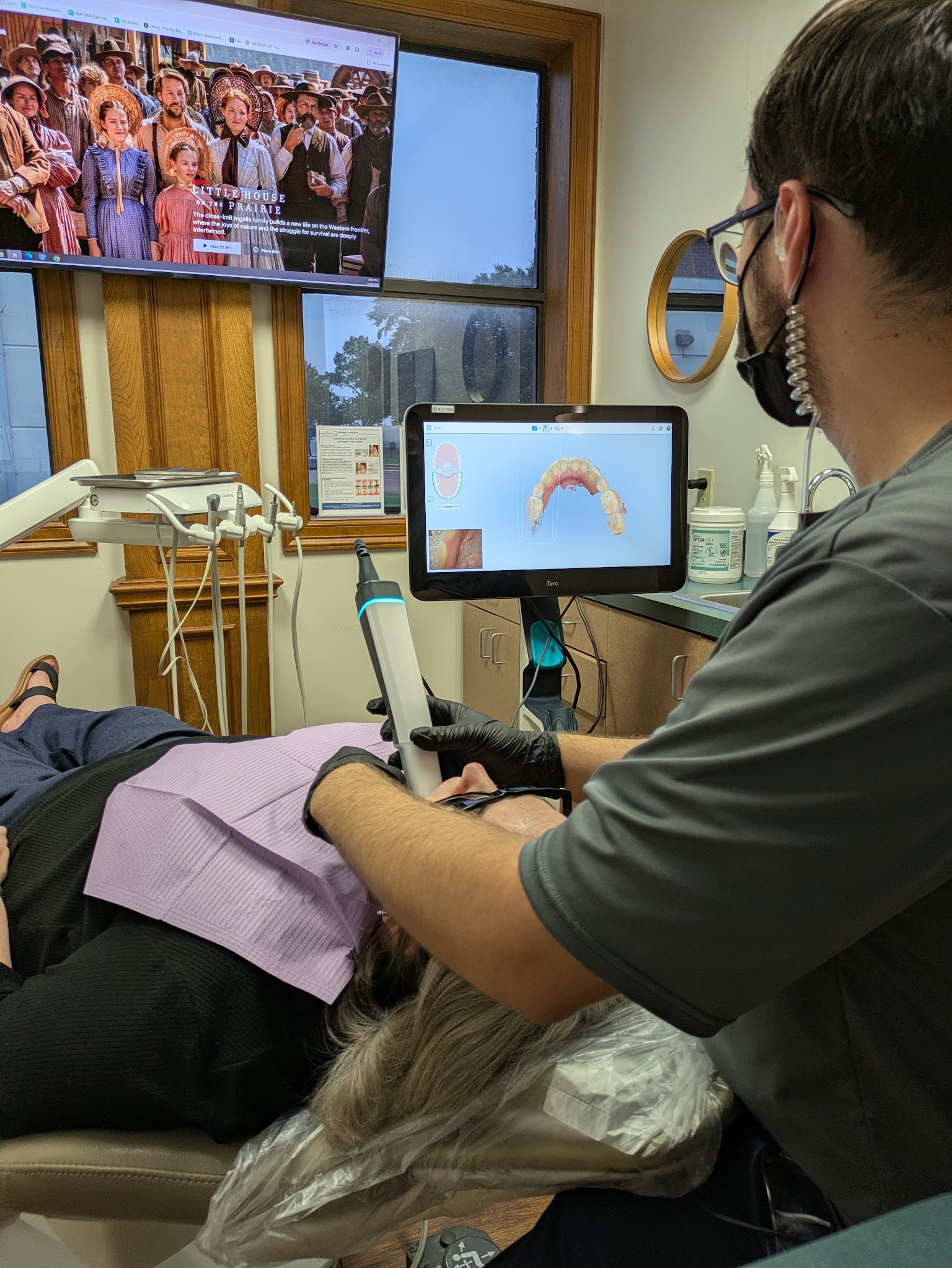
At Mason Park Dental, we use 3D imaging, digital treatment planning, and biocompatible grafting materials to ensure accurate placement and improved results. These tools help us visualize bone loss, simulate treatment, and predict healing outcomes with confidence.
Different Materials Used in Bone Grafting
At Mason Park Dental of Katy, we carefully select the ideal material based on your individual needs. Different types of bone graftingmaterials offer various advantages:
Autograft: Your own bone harvested from another area (like the chin or hip). Provides the highest success rate due to complete biocompatibility.
Allograft: Processed bone from a human donor, often used when autograft harvesting is not ideal.
Xenograft: Bone material derived from animal sources, such as bovine bone, treated to ensure safety and compatibility.
Alloplast (Synthetic Grafts): Lab-made materials designed to promote bone growth without donor material.
Every material option is designed to encourage your body’s natural ability to regenerate bone, ensuring success with bone grafting in Katy, TX.
Why Choose Dr. William Sung for Bone Grafting?
- Over a decade of experience in advanced dental procedures
- Gentle and personalized approach to surgical dentistry
- Expertise in implant dentistry and jawbone grafting
- A commitment to using the latest technology for optimal care
- Positive patient reviews and a welcoming office atmosphere
How Bone Grafting Supports Dental Implants
A strong jawbone is essential for implant success. Without sufficient bone:
- Implants may fail to integrate
- You may experience shifting or movement
- Restoration longevity decreases
Bone grafting for dental implants increases your chances of long-term success, especially if your natural bone has deteriorated. If you’re planning a dental implant procedure, we’ll assess whether bone grafting is needed and walk you through the entire process.
Long-Term Success After Bone Grafting
When properly performed and cared for:
Bone grafts provide lifelong support for implants.
They prevent progressive bone loss.
They maintain facial structure and esthetics.
Regular dental checkups, good oral hygiene, and healthy habits (like not smoking) significantly contribute to the long-term success of your jawbone grafting procedure.
Frequently Asked Questions (FAQs)
1. What is bone grafting?
Bone grafting is a procedure that replaces or adds bone to the jaw to support future dental restorations like implants.
2. Is bone grafting painful?
The procedure is performed under local anesthesia or sedation to keep you comfortable. Mild swelling or soreness afterward is normal and manageable with medication.
3. How long does bone grafting take to heal?
Healing typically takes between 3 to 6 months, depending on the size and location of the graft and your overall health.
4. What are the types of bone grafts used?
Options include autografts (your own bone), allografts (human donor), xenografts (animal), or synthetic materials. We’ll help choose the right type based on your needs.
5. Can I get implants immediately after bone grafting?
In some cases, yes. However, many patients will need to wait several months until the graft has fully integrated before receiving implants.
Schedule Your Bone Grafting Consultation Today
Ready to restore your smile and build a stronger foundation for your dental health? Contact Mason Park Dental of Katy to schedule your personalized bone grafting consultation with Dr. William Sung.