01
Bleeding when you brush or floss
This is not normal and it is not because you brushed too hard. It is the first sign.

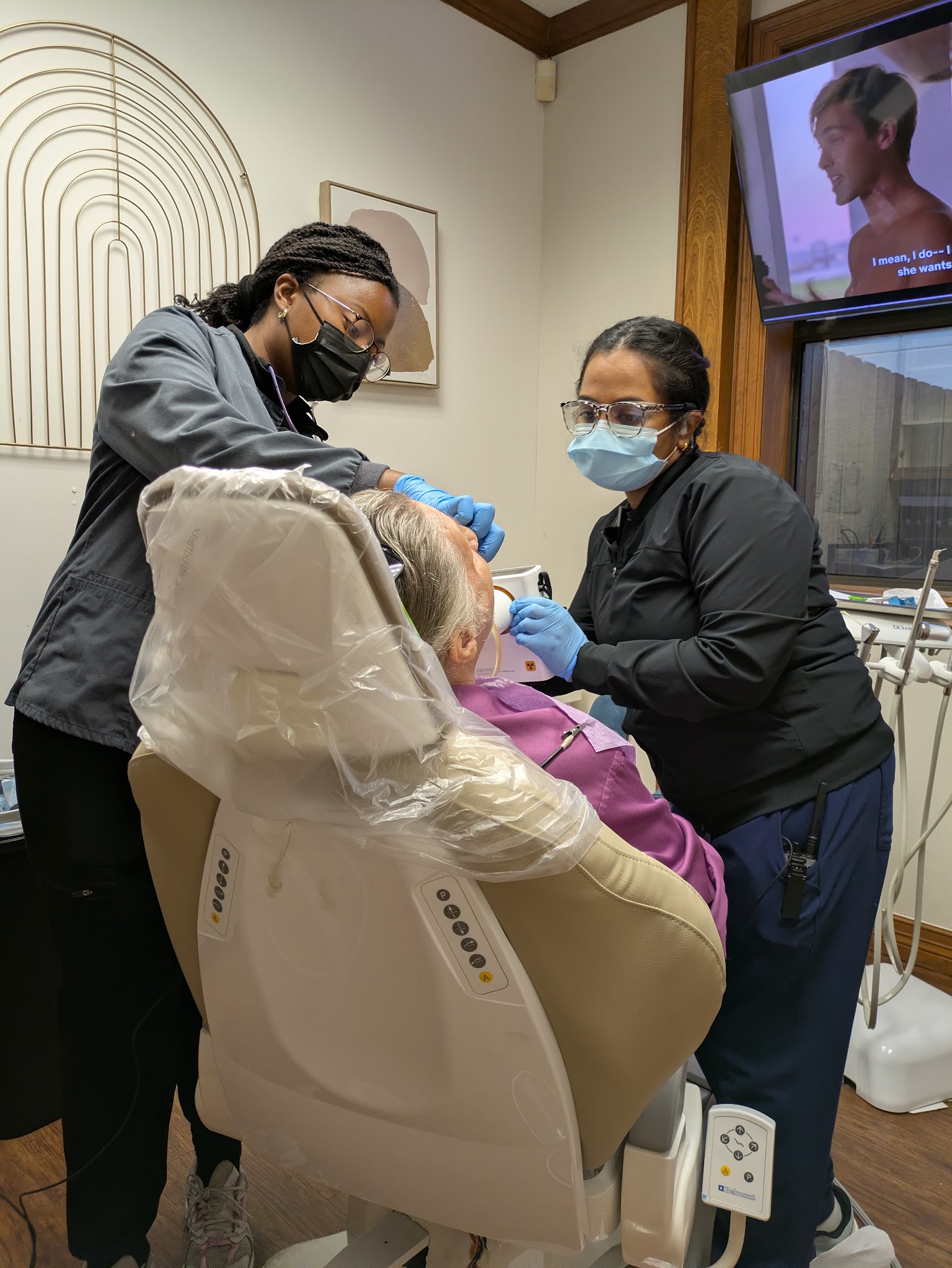
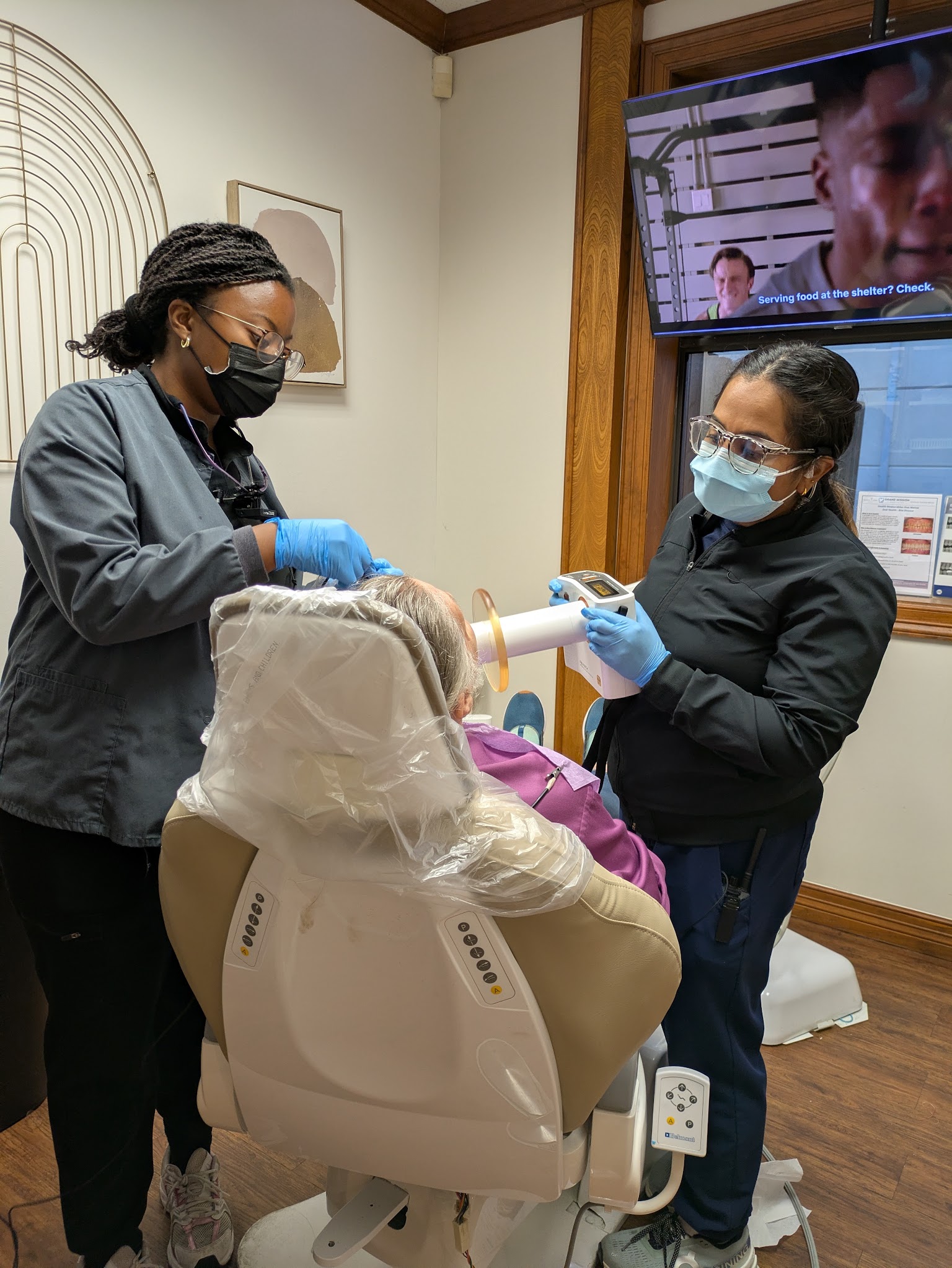
Scaling and root planing: cleaning below the gumline, where a normal cleaning does not reach. It is what stops gum disease before it takes bone.
Is this you
The practice’s own list. The first one is the one nearly everybody has and nearly everybody ignores.
This is not normal and it is not because you brushed too hard. It is the first sign.

Bacteria living in pockets below the gumline, where a brush cannot reach them.
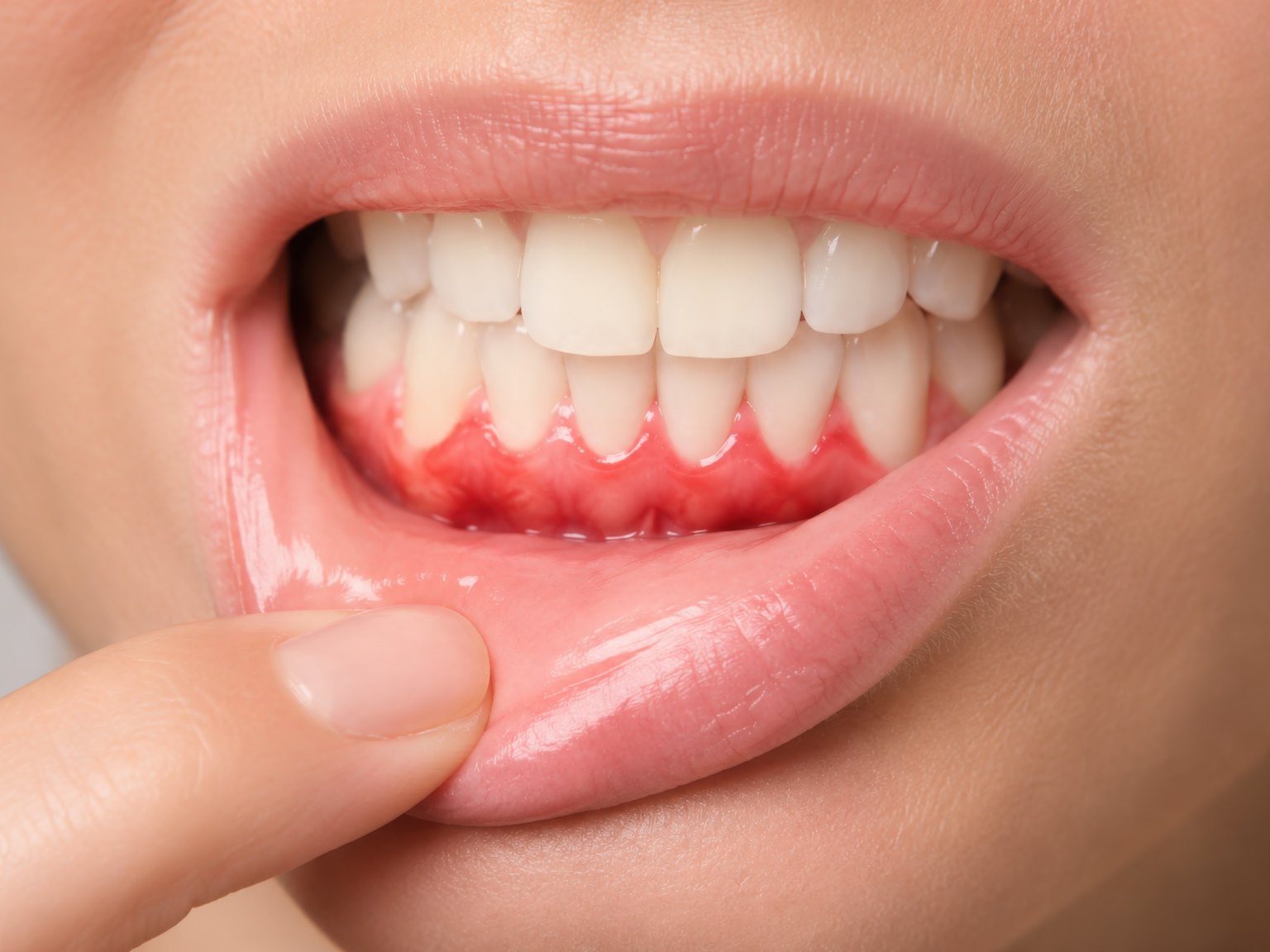
Inflammation, which is the body responding to an infection it cannot clear.
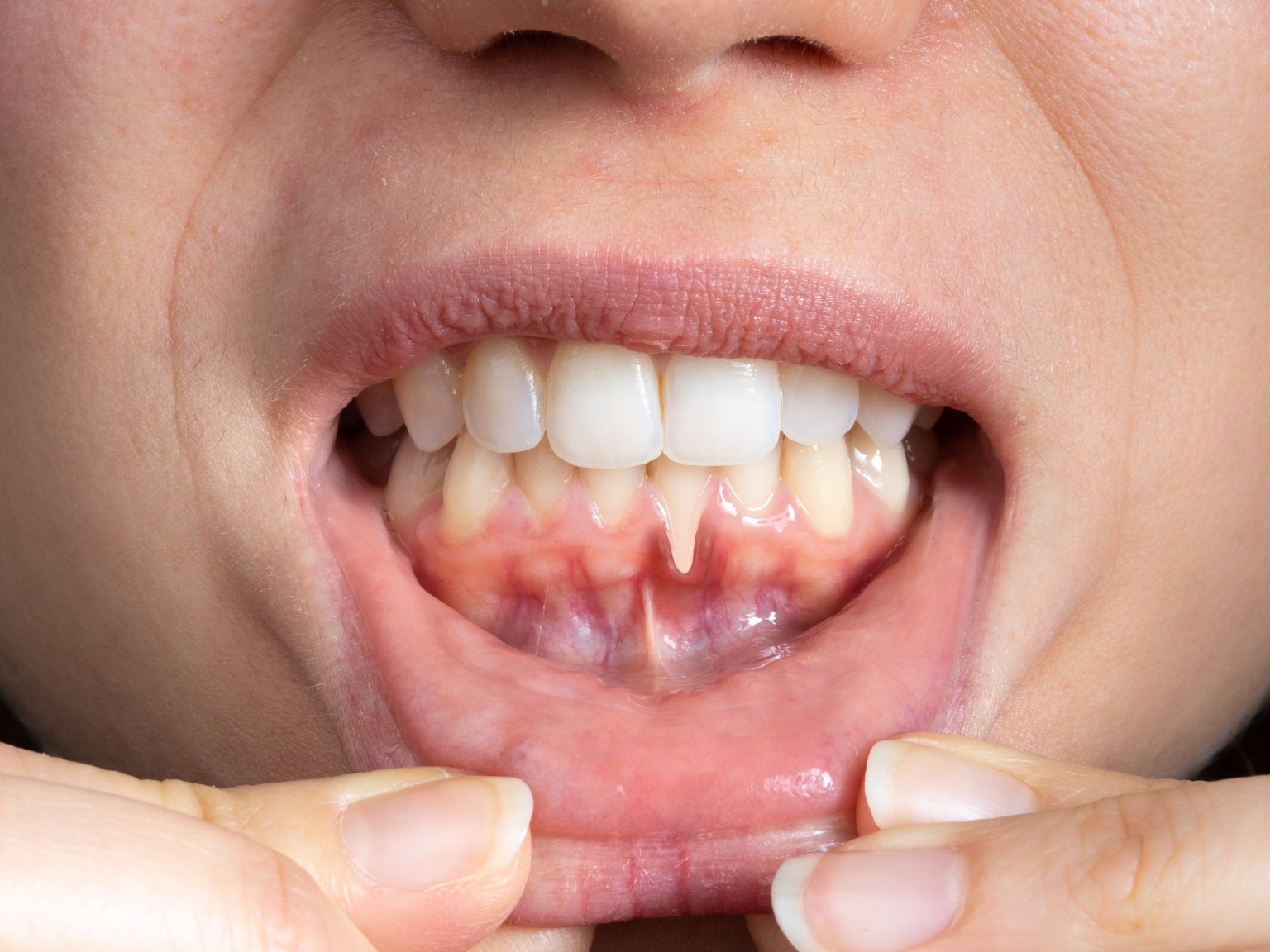
Teeth looking longer than they used to. The gum is pulling away from them.
Hardened deposit at the gumline that brushing no longer removes.

A gap opening between tooth and gum, or a tooth that has begun to shift. This is the late stage.
And who is most at risk of needing one
The Treatment
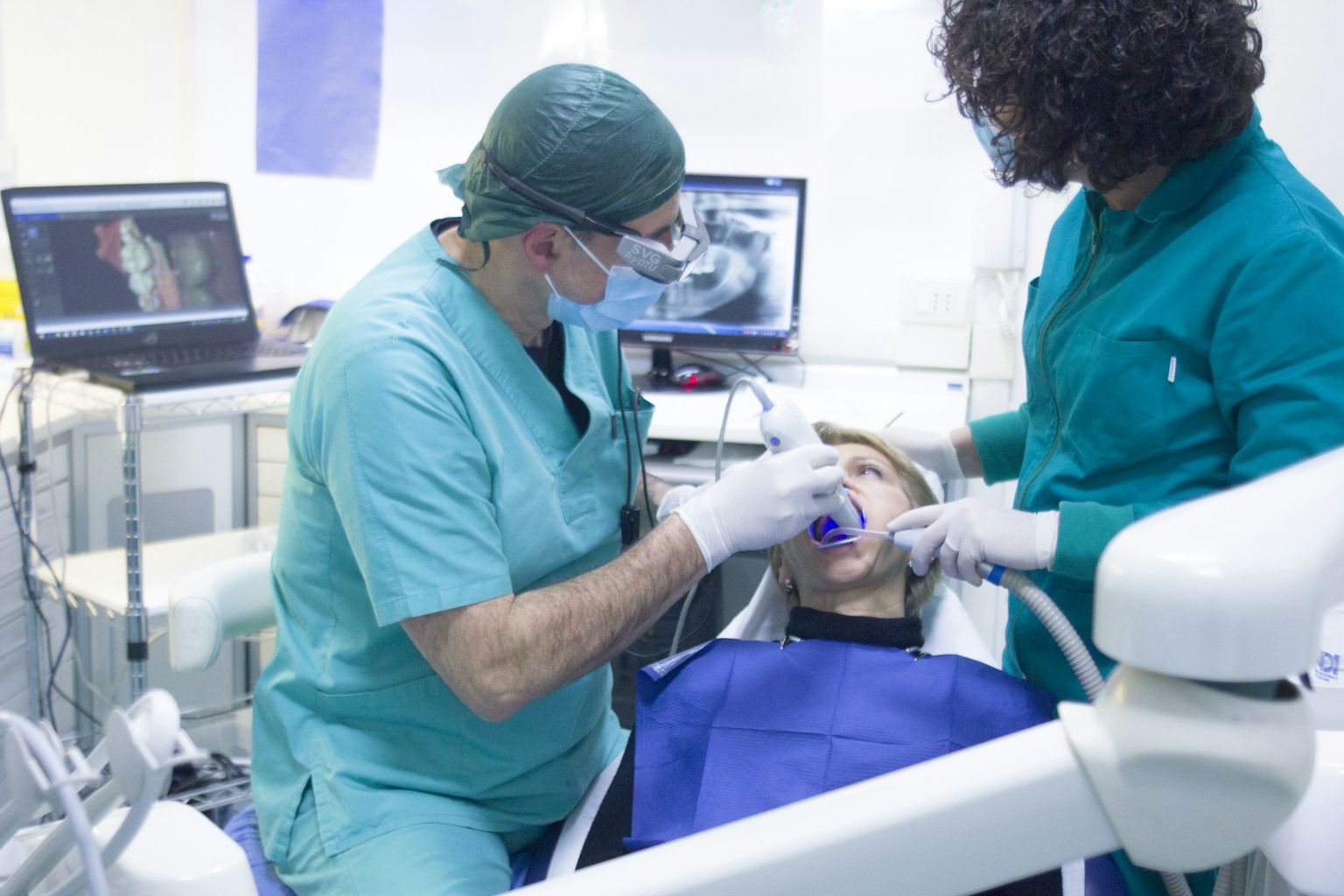
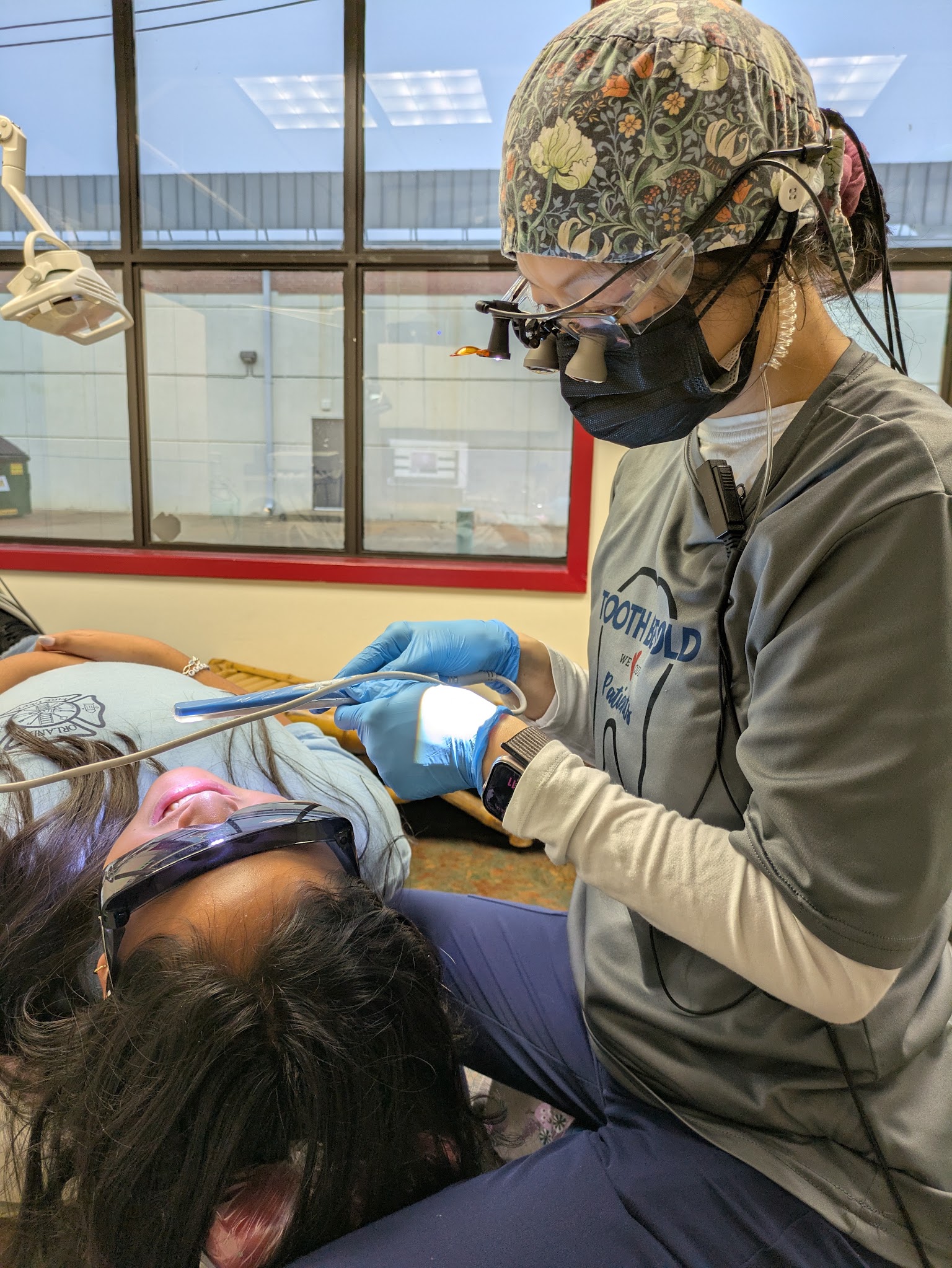
Plaque, tartar and bacteria removed from below the gumline, then the tooth roots smoothed so bacteria have nothing to hold onto. A regular cleaning works on the tooth surfaces; this works under the gum.
A deep cleaning, also known as scaling and root planing, is a specialized treatment that removes plaque, tartar, and bacteria from below the gumline. While a regular cleaning targets the surfaces of your teeth, a periodontal cleaning goes much deeper to stop gum disease in its tracks.
Without scaling and root planing, harmful bacteria thrive in deep pockets, leading to persistent gum infections, gum recession, bone deterioration around teeth, and eventual tooth loss.
How Dr. Dave Cho decides whether you need one
Why This One
Gum disease is the leading cause of adult tooth loss, and it is almost entirely silent until the bone has gone.
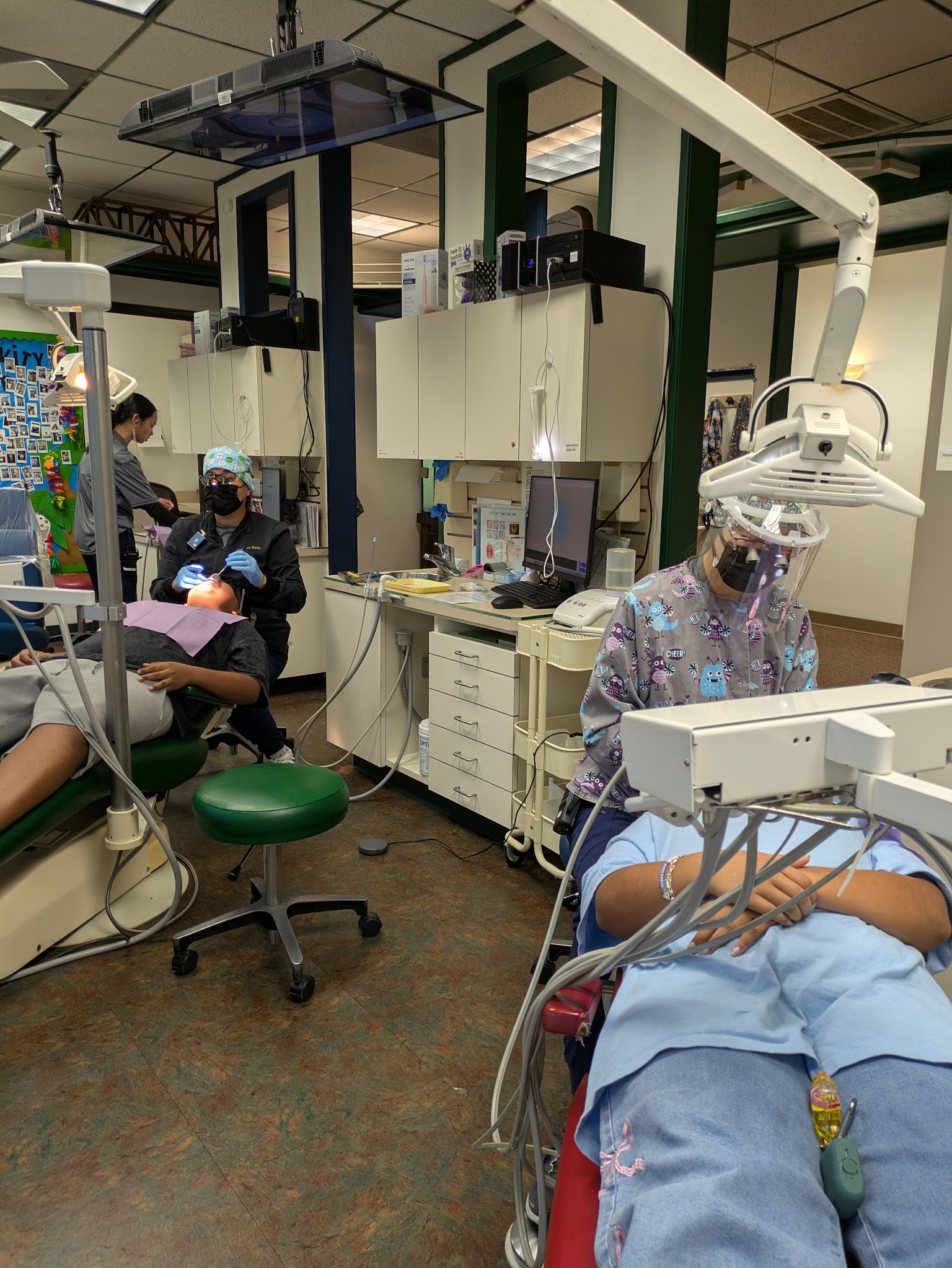
Gingivitis caught here goes away. Past a certain point it stops being reversible.
From the pockets under the gum, which is the only place they are actually living.
The bone around a tooth is what holds it in. Once it goes it does not come back.
Planing the root surface leaves nothing for plaque to accumulate on.
The unglamorous benefit, and often the one patients notice first.
Gum infection is linked to heart disease, stroke, diabetes control, respiratory illness and Alzheimer’s.

Your dentist
The practice treats mild to advanced gum disease, and Dr. Dave Cho builds the treatment plan to your pocket depths rather than to a standard protocol.
 Also on the teamDr. William Sung, DMDFellow of the Academy of General Dentistry
Medical research links periodontal disease to a range of serious health conditions:
Choosing a deep cleaning now supports a healthier future not just for your mouth but for your whole body.
The Path

Dr. Dave Cho examines the gums and measures the pocket depth around every tooth. That map is the treatment plan.
Plaque and tartar removed from beneath the gumline with instruments made for it.
The root surfaces are smoothed, so bacteria have nothing rough to recolonise.
Localised antibiotics placed in the pockets to help the tissue heal. Not every case.

Healing checked, pockets re-measured, and a maintenance plan set. This step is what makes the first four hold.
If your gums bleed when you brush, that is the appointment. It is early, and early is the whole point.
Book an appointmentOr call (281) 769-8878
The Alternatives
These are not alternatives you choose between. Which one you need is decided by your pocket depths, and Dr. Dave Cho will show you the numbers. If your gums are healthy, you want the regular one.
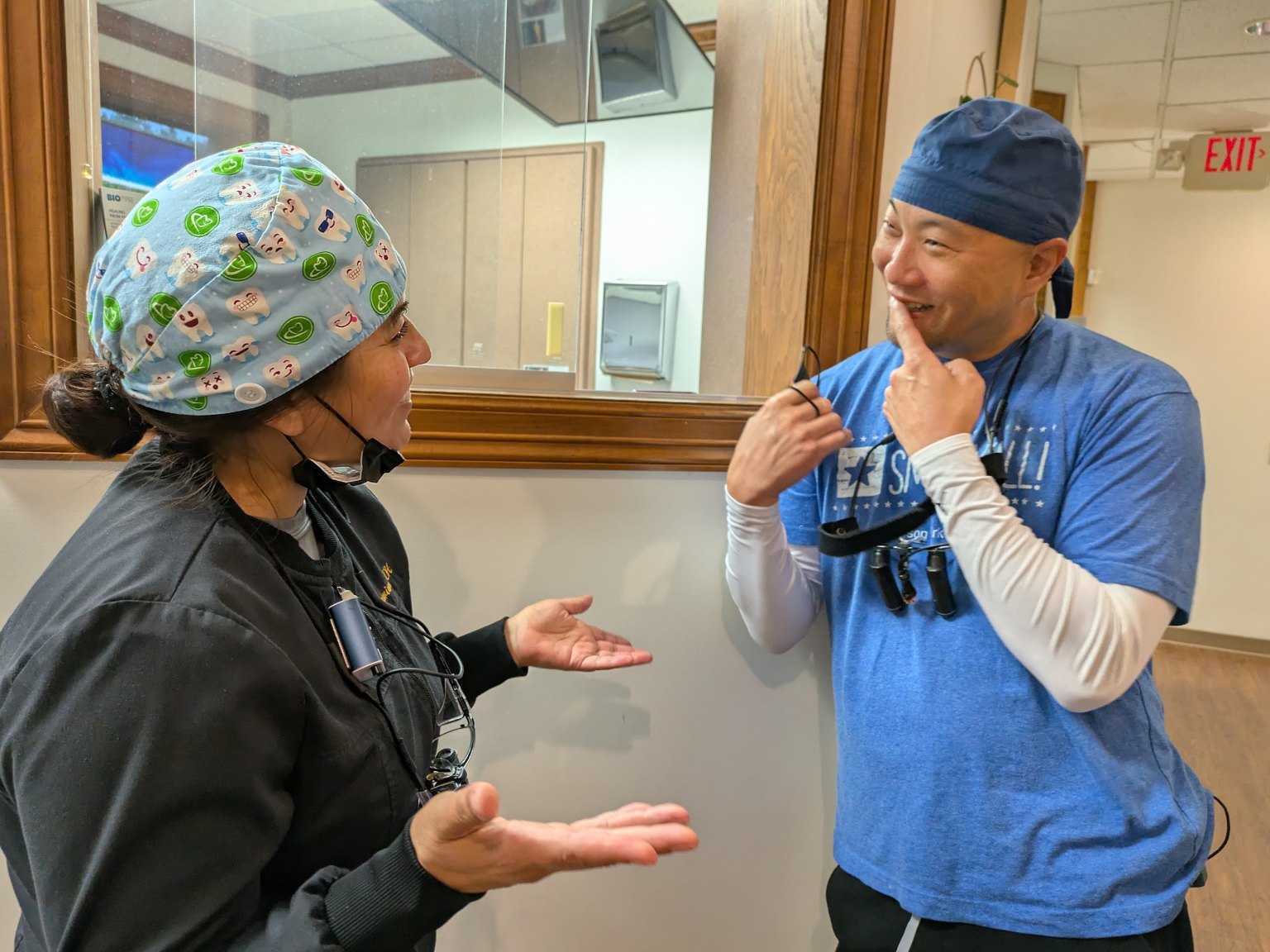
Completing the scaling is the beginning. Gum disease returns if the maintenance does not.
Alongside it: the technique work that keeps the pockets clean between visits, and laser treatment where the tissue needs more than scaling.
The Cost
Deep cleaning is usually quoted by quadrant, because how much of the mouth is affected varies enormously between patients.
By quadrantQuoted at the exam
Once the pockets are measured we know exactly how much of the mouth needs treating.
How many quadrants, how deep the pockets are, and whether antibiotic therapy is needed.
Periodontal therapy is treatment rather than cosmetic, and most plans contribute. See insurance and financing.
The Proof
The staff here is super friendly and informative. Just had my cleaning and exams done, and they were thorough without being rough. The dental filling went really well, didn’t hurt one bit, and they took extra care to ensure it looked great. Overall, a very clear and calm vibe in the office. Highly recommend checking them out for your family dentistry needs.

I was recommend by another dentist who didn’t accept my insurance anymore. First time experience was amazing, went in for a cleaning with Genevieve and she was amazing. She was very informing and kind with what she was doing. Will continue to keep coming back :)
Jocelyne Lara
Lola did a great job in my scheduled cleaning today. She is very friendly and makes me feel comfortable during my procedure.
rizi nepomuceno
Had a very good time at the dental office. The cleaning was thorough and Genevieve did an amazing job! The high tech tools made me feel at ease. It’s a calm atmosphere, which is just what anyone needs before a visit. Definitely a convenient place for dental care. Highly recommend it for anyone needing cleaning and exams.
Glenn Adrian De La Garza
Questions
This is the commonest worry and the practice addresses it directly: with anaesthesia and gentle care, most patients experience minimal discomfort. The area is numbed before the scaling starts.
A fair question, and the answer is measurable rather than a matter of opinion. Dr. Dave Cho measures the pocket depth around each tooth, records inflammation and mobility, and takes digital x‑rays for the bone level. If the numbers do not indicate gum disease, you want a regular cleaning instead, and he will say so.
A regular cleaning focuses on the tooth surfaces above the gumline and is part of a routine checkup. A deep cleaning targets plaque and tartar beneath the gumline and is necessary for patients with gum disease.
Inflammation settles and pockets shrink, and early gum disease can be reversed. Gum tissue and bone that have already been lost do not regenerate on their own, which is why the timing of this treatment matters so much.
Because the pockets recolonise faster than healthy gums do. The maintenance programme — cleanings every 3 to 4 months, medicated rinses, antibacterial treatment and periodontal evaluations — is what prevents the disease returning.
Medical research links periodontal disease to heart disease, stroke, diabetes complications, respiratory illness, and Alzheimer’s disease. An untreated gum infection is a chronic bacterial infection with a blood supply.
The Invitation
If your gums bleed when you brush, book. It is the earliest sign there is, and it is the cheapest point at which this is ever fixable.