
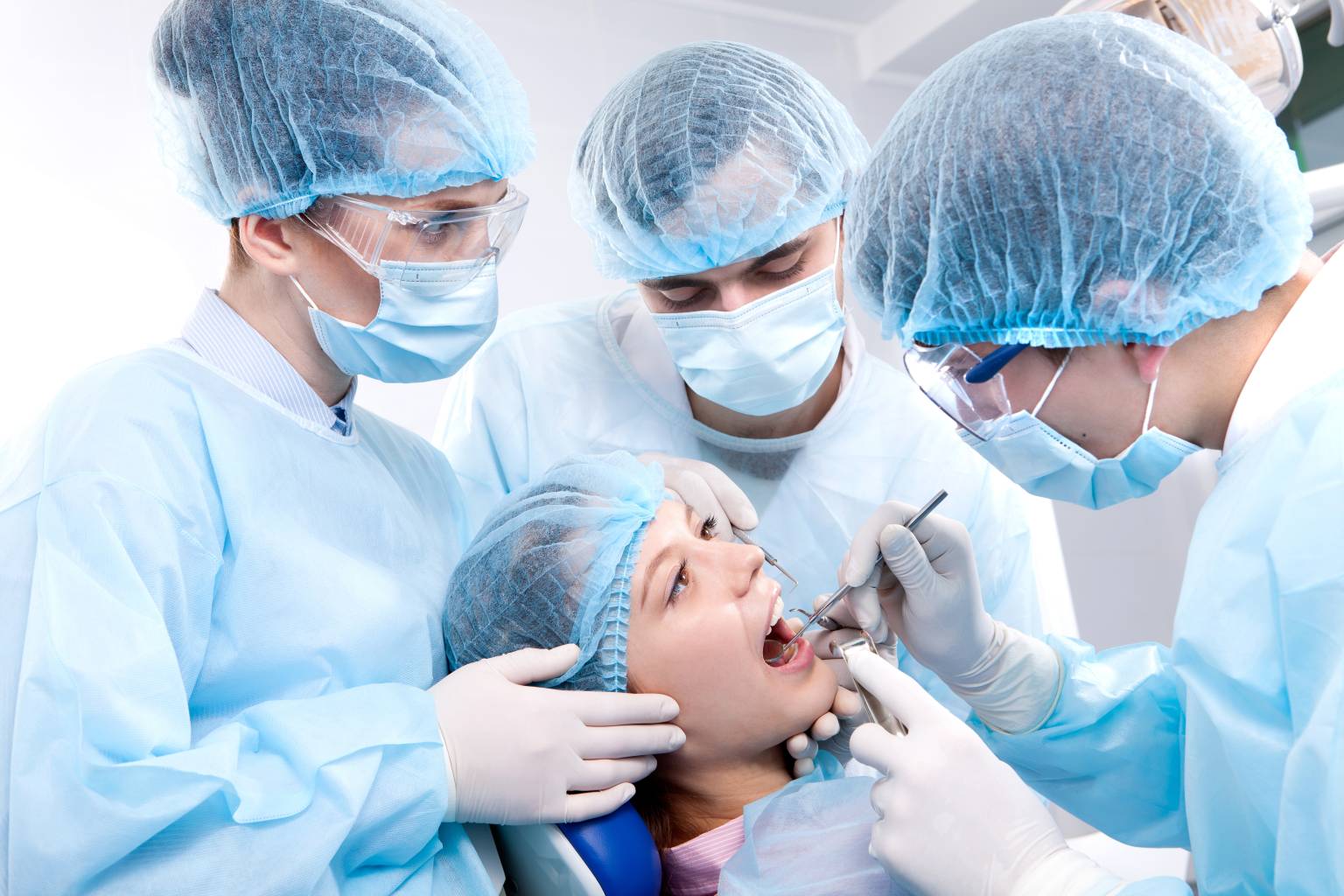
Oral Surgery in Katy, TX – Safe & Skilled Surgical Dental Solutions
At Mason Park Dental of Katy, we believe that compassionate care and surgical expertise go hand in hand. If you are searching for trusted options for oral surgery in Katy, TX, Dr. William Sung and our team are here to deliver safe, effective, and personalized surgical dental care to restore your oral health and well-being.
Whether you need wisdom tooth removal, tooth extraction, or bone grafting for future implant placement, our clinic is equipped to provide advanced oral surgery services in a comfortable, welcoming environment. Your smile — and your health — are always our priority.
Why Choose Mason Park Dental for Oral Surgery?
Choosing the right provider for your oral surgery in Katy, TX can make all the difference in your experience and your results. At Mason Park Dental of Katy, we combine expertise, compassion, and innovation to offer you the highest level of surgical dental care.
Here’s why patients across Katy and surrounding areas confidently trust Dr. William Sung and our team for their oral surgery needs:
Comprehensive Surgical Services Under One Roof
From simple tooth extractions to complex jaw surgeries, we offer a complete range of oral surgery treatments to address a variety of dental and facial issues. You don’t have to be referred elsewhere — you can receive the care you need in a familiar, trusted environment.
Experienced Care You Can Rely On
With years of experience performing surgical dental procedures, Dr. William Sung is committed to clinical excellence. His skilled approach ensures that each procedure is performed with precision, minimizing risk and promoting faster healing for our patients.
Modern Techniques and Technology
Advancements in dental technology allow us to provide safer, faster, and more comfortable surgical outcomes. Our practice is equipped with:
- 3D Cone Beam CT Imaging for precise surgical planning
- Digital X-rays for detailed, low-radiation diagnostics
- Advanced surgical tools designed to improve efficiency and patient comfort By utilizing the latest techniques, we make your oral surgery experience smoother and your recovery quicker.
Personalized, Patient-Centered Care
No two smiles — or surgeries — are alike. At Mason Park Dental, we believe in creating tailored treatment plans that reflect your unique needs, health goals, and personal preferences. Dr. William Sung takes the time to listen, explain every option, and empower you to make informed decisions about your oral health.
Sedation Options for a Stress-Free Experience
We understand that the idea of oral surgery Katy TX can be intimidating for many patients. To ease anxiety and ensure your comfort, we offer sedation options, including oral conscious sedation. Whether you experience mild nervousness or significant dental anxiety, we’ll recommend a sedation plan to help you stay calm, relaxed, and comfortable throughout your procedure.
Common Oral Surgery Procedures We Offer in Katy
At Mason Park Dental of Katy, we provide a full spectrum of oral surgery services designed to address a wide variety of dental health concerns before they escalate into more serious problems. Whether you need a straightforward extraction or a more complex surgical procedure, Dr. William Sung and our skilled team are committed to delivering safe, gentle, and effective surgical care.
Here’s a closer look at the oral surgery procedures we proudly offer:
Tooth Extractions
When a tooth is too badly damaged, decayed, or infected to be saved through restorative dentistry, a tooth extraction may be necessary.
At Mason Park Dental, we perform both simple extractions (for teeth visible above the gumline) and surgical extractions (for teeth that are broken, impacted, or not fully erupted).
Using advanced techniques and careful planning, we ensure minimal discomfort during and after your procedure, helping you heal faster and return to daily life with ease.
Wisdom Teeth Removal
Wisdom teeth, or third molars, often emerge improperly — leading to pain, infections, crowding, or damage to neighboring teeth.
Our team provides professional wisdom tooth removal services, whether your teeth are fully erupted or impacted beneath the gums.
Removing problematic wisdom teeth early can prevent a host of future dental complications and safeguard your long-term oral health.
Dental Bone Grafting
If you are considering dental implants but have been told you lack sufficient jawbone density, bone grafting can help.
This procedure involves placing bone material where it is needed to strengthen and rebuild the jawbone, creating a stable foundation for future implants.
Bone grafting may also be necessary to reverse bone loss caused by trauma, infection, or prolonged tooth loss.
Surgical Exposure for Dentistry
Sometimes, permanent teeth fail to emerge correctly — remaining trapped beneath the gums.
In these cases, surgical exposure is used to carefully uncover impacted teeth, particularly canines, so that dental treatment can guide them into proper alignment.
Partnering closely with your dentist, we ensure that your smile develops in the healthiest, most functional way possible.
Gum Surgery
Healthy gums are essential for a beautiful, functional smile.
When gum tissue becomes diseased, overgrown, receded, or damaged, gum surgery can restore both appearance and health.
We provide professional periodontal surgery to remove infected tissue, reshape gumlines, and support overall oral wellness, helping you maintain a confident, vibrant smile.
When Is Oral Surgery Necessary?
While many dental issues can be treated with conservative procedures, there are times when oral surgery becomes the most effective — and sometimes the only — solution to protect your health, comfort, and smile.
At Mason Park Dental of Katy, Dr. William Sung carefully evaluates every patient’s needs to determine when surgical dental procedures are the right course of action.
You may require oral surgery if you experience:
Impacted Wisdom Teeth
Wisdom teeth that fail to emerge properly can cause crowding, pain, infection, and damage to nearby teeth.
When these third molars become impacted — stuck under the gums or bone — wisdom tooth removal through surgery is often the best option to prevent ongoing problems.
Severely Decayed or Fractured Teeth
When a tooth is too badly compromised to be saved with a filling, crown, or root canal, surgical tooth extraction may be necessary.
Leaving a severely decayed or fractured tooth untreated can lead to infection, bone loss, and broader oral health issues.
Jawbone Loss Requiring Dental Bone Grafting
Tooth loss, advanced gum disease, and trauma can cause the jawbone to deteriorate over time.
In cases where the bone is too weak to support dental implants or dentures, dental bone grafting becomes essential to rebuild the bone structure and maintain oral stability.
Infection or Abscess Needing Drainage
Untreated dental infections can spread quickly, putting your overall health at risk.
If you develop a serious infection or abscess, emergency oral surgery may be needed to remove the infected tissue, drain the abscess, and prevent complications like bone loss or systemic illness.
Preparation for Dental Implants
Successful implant placement requires a healthy jawbone and surrounding tissue.
Procedures such as tooth extractions or bone grafting often precede dental implant surgery to create the optimal conditions for long-term success.
Dental Treatment Requiring Surgical Support
In some cases, impacted teeth must be surgically exposed to allow dental braces or aligners to guide them into place.
Surgical exposure ensures teeth erupt correctly and align properly, supporting a healthier, more functional bite.
At Mason Park Dental of Katy, Dr. William Sung takes a patient-first approach, ensuring you fully understand your treatment options.
Through careful diagnostics, imaging, and consultation, he will recommend oral surgery only when it is truly the best and most beneficial solution for your specific dental needs.
Your Comfort is Our Priority During Oral Surgery
At Mason Park Dental of Katy, we believe that a comfortable patient is a confident patient. We understand that the idea of undergoing oral surgery can make some patients feel anxious or even fearful — and that’s completely normal. That’s why we have built a care model focused on ensuring your peace of mind at every step.
Here’s how we make your oral surgery experience as smooth, relaxing, and stress-free as possible:
Local Anesthesia:
We use precise local anesthesia techniques to completely numb the treatment area, ensuring you do not feel pain during the procedure. Our goal is to keep you comfortable while we work carefully to address your dental needs.Sedation Dentistry Options:
For those who experience higher levels of dental anxiety, we offer sedation dentistry options such as oral conscious sedation. This allows you to remain awake yet deeply relaxed throughout your appointment, with little to no memory of the procedure afterward.Advanced Dental Technology:
By incorporating modern technologies into our oral surgery services, we are able to perform treatments with greater accuracy and efficiency. This not only enhances safety but can also shorten recovery times, helping you return to your normal activities sooner.Compassionate, Personalized Care:
Dr. William Sung and our team take the time to answer all your questions before treatment begins. We explain every step of the process in a clear, reassuring way and tailor our approach to your individual needs. From the initial consultation to post-operative care, we are by your side to provide support and encouragement.
Choosing Mason Park Dental of Katy for your oral surgery means you are choosing a team that genuinely cares about your health, comfort, and well-being. Whether you need a simple extraction or a more complex procedure, we are committed to making your surgical experience as positive and worry-free as possible.
Recovery After Oral Surgery
Proper recovery is essential for successful healing after oral surgery. Dr. William Sung provides detailed post-operative instructions customized to your procedure, but general recovery tips include:
- Rest for at least 24–48 hours after surgery.
- Apply cold packs to reduce swelling.
- Eat soft foods and avoid straws.
- Maintain gentle oral hygiene to prevent infection.
- Take prescribed medications as directed.
Our team is always just a call away if you have questions during your recovery.
Benefits of Oral Surgery at Mason Park Dental
Choosing Mason Park Dental of Katy for your surgical needs comes with several benefits:
- Relief from Pain and Infection: Say goodbye to discomfort and avoid serious health risks.
- Improved Oral Function: Regain the ability to chew, speak, and smile confidently.
- Preparation for Restorative Treatment: Strengthen your jawbone for implants or stabilize teeth for dentures.
- Better Esthetic Results: Surgical corrections often lead to better alignment and appearance.
- Enhanced Overall Health: Treating oral issues reduces the risk of systemic problems like heart disease or diabetes.
Advanced Technology for Better Outcomes
At Mason Park Dental, we invest in state-of-the-art technology to deliver better results, faster healing, and a more comfortable experience. Our surgical tools and imaging systems help Dr. William Sung plan and perform procedures with extraordinary accuracy.
Advanced equipment we use includes:
- 3D Cone Beam CT imaging
- Digital X-rays
- Surgical handpieces designed for precision
How Much Does Oral Surgery Cost?
The cost of oral surgery varies depending on the procedure, the complexity, and whether sedation is required. We provide clear estimates during your consultation and offer flexible payment options, including:
- PPO Insurance Plans
- In-House Payment Plans
- CareCredit® Financing
Our goal is to make affordable oral surgery in Katy accessible to everyone who needs it.
Oral Surgery and Dental Implants
Planning for dental implants? Oral surgery often plays a key role. Procedures like bone grafting or tooth extractions may be needed to prepare the jaw for successful implant placement.
Dr. William Sung will work closely with you to create a roadmap that ensures the best foundation for your future smile.
Emergency Oral Surgery in Katy
Dental emergencies don’t always happen at convenient times. That’s why we offer emergency oral surgery for issues like:
- Dental abscesses
- Broken teeth
- Severe jaw pain
- Impacted wisdom teeth
If you’re in pain or experiencing swelling, don’t wait — call Mason Park Dental of Katy for immediate care.
FAQs
1. What is oral surgery?
Oral surgery involves surgical procedures to treat problems in the mouth, jaw, and facial structures, such as tooth extractions, wisdom teeth removal, gum surgery, and jaw corrections.
2. Is wisdom tooth removal considered oral surgery?
Yes. Wisdom tooth removal often requires a surgical procedure, especially if the teeth are impacted or positioned improperly in the jaw.
3. Will I be awake during oral surgery?
It depends on the procedure. For many treatments, you will be awake but numbed with local anesthesia. For more complex procedures, we offer sedation dentistry to keep you comfortable and relaxed.
4. What are the differences between local anesthetic, nitrous oxide sedation, and IV sedation?
Oral surgery can feel intimidating, but we offer several sedation options to keep your experience as smooth and stress-free as possible. Here’s how they compare:
- Local Anesthetic: This is the go-to for minor procedures, such as tooth extractions or gum treatments. Local anesthetic is administered directly to the treatment area, numbing only that specific spot. You’ll be awake and aware, but you won’t feel pain in the numbed region. It’s quick to wear off, so you can get back to your routine sooner.
- Nitrous Oxide (Laughing Gas) with Local Anesthetic: For more involved procedures—like wisdom tooth extractions or implant placement—nitrous oxide can be paired with local anesthesia. Nitrous oxide helps you feel relaxed and less anxious while still keeping you awake. The effects wear off rapidly once the mask is removed, meaning you can often resume your day right away.
- IV Sedation: Reserved for more complex surgeries or for those with significant dental anxiety, IV sedation delivers medication through a vein. You’ll feel deeply relaxed—often drifting off or losing memory of the procedure. Afterward, you’ll need a friend or family member to drive you home, and expect a bit more recovery time as the effects gradually taper off.
Not sure which option is right for you? Dr. Dave Cho will discuss your needs and help you choose the most comfortable path forward.
5. What are the benefits of dental implants for jawbone health and oral function?
When it comes to restoring both your smile and your bite, dental implants offer unique advantages beyond simply replacing missing teeth. One of their greatest benefits is the way they help preserve the health and strength of your jawbone. Unlike traditional bridges or dentures, dental implants act much like natural tooth roots, providing continuous stimulation to the jawbone whenever you chew. This stimulation is essential for preventing bone loss, which can occur when teeth are missing and the jawbone is left unsupported.
Here’s how dental implants support your overall oral health:
- Prevention of Bone Loss: Implants help prevent the jawbone from shrinking or deteriorating, which is a common consequence of tooth loss.
- Restored Chewing and Speech: With a stable foundation, you can eat your favorite foods confidently and speak clearly—no slippage or discomfort.
- Long-Term Oral Structure: By integrating with the bone, implants help maintain the natural contours of your face and prevent that sunken look often seen with extended tooth loss.
- Reliability and Durability: Dental implants are built to last and function just like natural teeth, so you can smile, laugh, and live life to the fullest.
If you’re considering options to replace missing teeth, dental implants don’t just fill the gap; they help protect your jaw and keep your oral function strong for years to come.
6. How can dental implants help restore oral health after tooth loss?
When you lose a tooth, your oral health can face several long-term challenges. Fortunately, dental implants offer a reliable, effective solution that does far more than simply fill a gap in your smile.
Here’s how dental implants can make a difference:
- Preserve Jawbone Health: One of the biggest risks after losing a tooth is jawbone loss. Dental implants provide your jaw with the stimulation it needs to remain strong and healthy, much like natural tooth roots, helping to prevent bone deterioration over time.
- Support Everyday Function: Missing teeth can make eating and speaking more difficult. Implants restore your ability to chew your favorite foods and speak clearly, so you can enjoy daily life without worry.
- Maintain Facial Structure: Without tooth roots, bone loss can cause your cheeks and lips to sink inward, affecting your facial appearance. Because implants keep your bone intact, they help preserve your natural facial shape.
- Protect Surrounding Teeth: Unlike traditional bridges, implants don’t require grinding down adjacent healthy teeth. This means the rest of your smile stays as intact and healthy as possible.
- Long-Lasting Results: Implants are built to last, offering a permanent and stable solution for tooth loss with proper care.
In essence, dental implants help restore the foundation of your smile—improving both function and appearance while supporting long-term oral health.
7. What Are the Most Common Types of Oral Diseases and Pathology?
A healthy mouth isn’t just about a bright smile—it’s also about safeguarding yourself from a range of oral diseases that can impact both comfort and overall wellness. Understanding these common conditions can help you stay proactive with your oral hygiene and seek care before minor issues become major concerns.
Some of the most frequently encountered oral diseases and pathologies include:
- Bacterial Infections: Most commonly seen as tooth abscesses or gum infections (periodontal disease), these result from bacteria thriving in plaque and tartar buildup.
- Viral Conditions: Cold sores and fever blisters, often caused by the herpes simplex virus, are prevalent and can be recurrent.
- Chronic Mouth Ulcers: Conditions such as canker sores (aphthous ulcers) can cause persistent discomfort and may require treatment if they become severe.
- Oral Cysts and Tumors: These may be benign or malignant and can appear as growths or lumps in the mouth, gums, or jaw.
- Fungal Infections: Oral thrush, caused by Candida yeast, is fairly common, especially in individuals with compromised immune systems or those using certain medications.
- Oral Cancers: These serious conditions may present as unexplained sores, lumps, or patches in the mouth or throat—early detection is key.
- Salivary Gland Disorders: Issues with saliva flow, such as stones or infections, can lead to swelling and discomfort.
Staying diligent with brushing, flossing, and regular dental checkups helps prevent many of these concerns. If you notice unusual symptoms, such as sores that don’t heal, new lumps, or persistent pain, schedule an evaluation for peace of mind and prompt care.
8. What qualifications and training do oral and maxillofacial surgeons typically have?
Oral and maxillofacial surgeons are dental professionals with advanced training you can trust. After earning their dental degree, they complete an additional four to six years of intensive, hospital-based residency programs—often in partnership with top teaching hospitals or organizations, such as the American Association of Oral and Maxillofacial Surgeons (AAOMS).
During this surgical residency, residents gain hands-on experience across multiple specialties, including general surgery, anesthesia, emergency medicine, otolaryngology (ENT), and plastic and reconstructive surgery. This cross-disciplinary training provides them with the expertise needed to manage complex facial and oral conditions safely and effectively.
When you see “oral surgery” on your treatment plan, you can rest assured your surgeon is not only a dentist but a highly trained surgical professional with comprehensive medical and dental knowledge.
9. What are the symptoms of oral pathology that may require a dental evaluation?
It’s important to monitor your mouth for certain changes that could signal a problem requiring prompt attention from our team. While most oral conditions are harmless, some symptoms may indicate underlying issues that need a professional evaluation.
Watch for signs such as:
- Persistent sores or ulcers that bleed or fail to heal within two weeks
- Unusual lumps or bumps in your mouth or on your neck
- Red or white patches developing on your gums, tongue, or inner cheeks
- Changes in the color, texture, or shape of the tissue inside your mouth
- Swelling in your mouth or jaw that does not subside
Even if these signs seem minor, they can sometimes reflect deeper concerns. If you notice anything out of the ordinary, please reach out to us—early evaluation is the best way to protect your health and peace of mind.
10. What is Oral Pathology and Why Should You Watch for Changes in Your Mouth?
Oral pathology is the specialty focused on identifying and diagnosing diseases that affect the soft tissues inside your mouth—including the inner lining, also known as the mucosa. When healthy, this tissue appears smooth, pink, and resilient. Monitoring the mucosa for changes in color, texture, or overall appearance is important, as these subtle shifts can be early warning signs of underlying issues.
Common reasons to keep an eye out include:
- Unusual discoloration—such as white, red, or darkened patches
- Thickening, lumps, or sores that don’t heal
- Persistent pain, bleeding, or swelling
While many changes in your mouth may be harmless or related to minor infections, some could signal more significant concerns that benefit from prompt evaluation. Regular self-checks and dental visits allow Dr. Dave Cho and our team to spot and address potential problems early, leading to better treatment outcomes and peace of mind.
11. How long does it take to recover from oral surgery?
Recovery time varies based on the procedure but typically ranges from a few days to two weeks. Following post-op instructions carefully can help speed up healing.
12. Does insurance cover oral surgery?
Many PPO dental insurance plans cover medically necessary oral surgery procedures. We can help verify your benefits and discuss payment options during your consultation.
Book Your Oral Surgery Consultation Today!
If you’re facing the possibility of oral surgery, it’s important to choose a provider who puts your comfort, safety, and health first. Dr. William Sung and the team at Mason Park Dental are ready to help you smile again with confidence.