
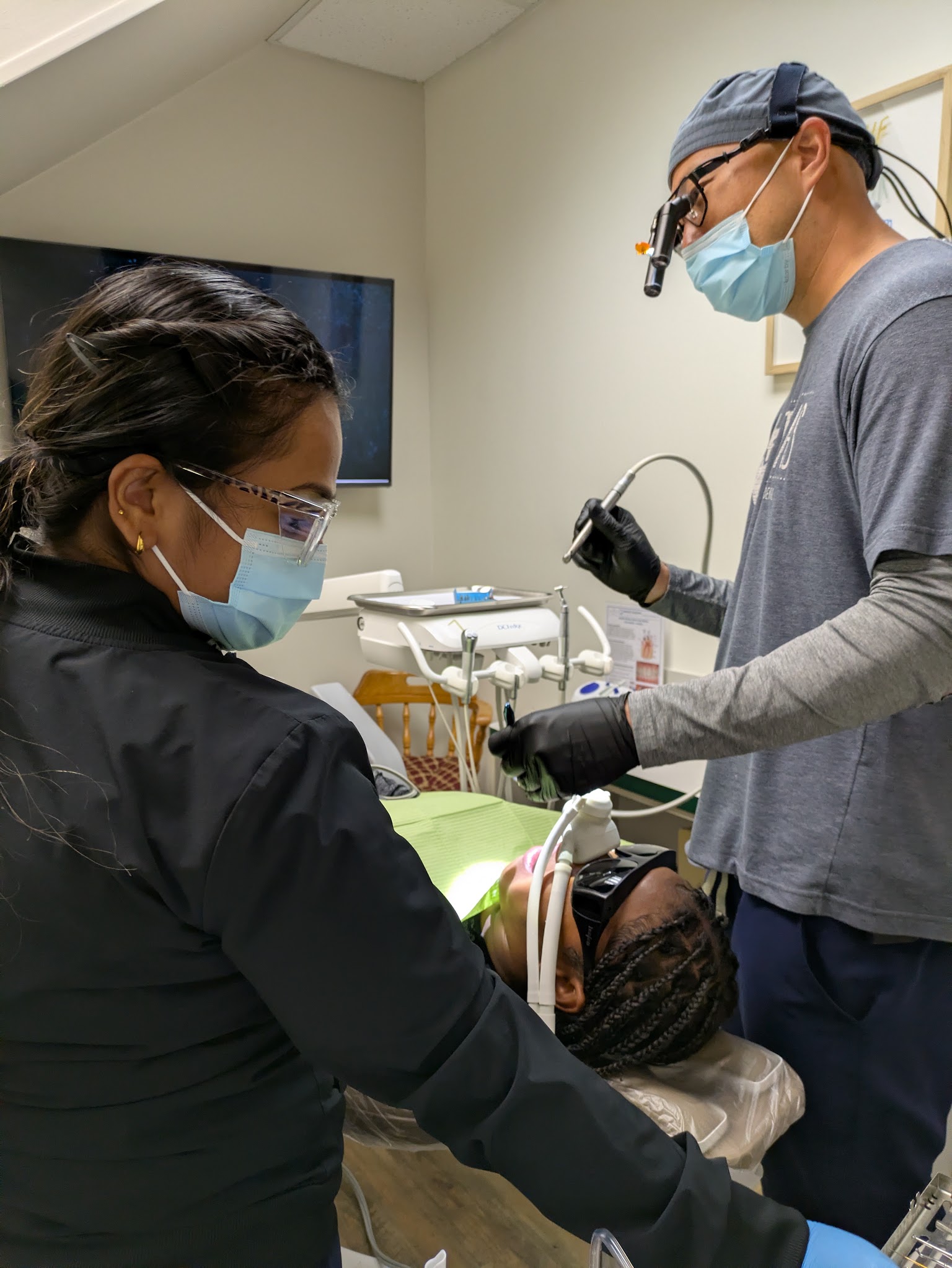
In the ever-evolving field of dentistry, advanced dental implants have emerged as a revolutionary solution for restoring smiles and enhancing oral health. As traditional methods give way to cutting-edge dental implant technology, patients are experiencing unprecedented results that blend functionality with esthetic appeal. Modern dental implant techniques are no longer confined to merely replacing missing teeth. Still, they are now unlocking an array of innovative applications. At Mason Park Dental, we pride ourselves on staying at the forefront of these advancements, offering patients access to the latest dental implant solutions tailored to their unique needs.
In this blog, we will delve into five groundbreaking uses for advanced dental implants, demonstrating how they are reshaping the landscape of dental care and offering new possibilities for oral restoration. Join us on this journey to discover how dental implants, with Mason Park Dental’s personalized approach, transform smiles and improve quality of life.
Introduction to Dental Implants
Evolution of Dental Implant Technology
The evolution of dental implant technology has been a remarkable journey characterized by continuous innovation and improvement. Initially, dental implants were basic structures primarily focused on functionality. However, with advancements in materials and techniques, modern dental implant techniques have evolved to provide a more natural look and feel. Today, cutting-edge dental implant technology utilizes biocompatible materials such as titanium and zirconia, which integrate seamlessly with the jawbone, ensuring durability and stability.
Benefits of Advanced Dental Implants
Advanced dental implants by Dr. Dave Cho and Dr. William Sung at Mason Park Dental offer many benefits, making them a preferred choice for tooth replacement. One primary advantage is their ability to mimic the appearance and function of natural teeth, providing patients with a seamless and confident smile. Unlike traditional dentures, dental implants are anchored firmly in the jawbone, offering unparalleled stability and preventing issues like slipping or discomfort.
This secure fit also helps preserve jawbone density, reducing the risk of bone loss often accompanying missing teeth. Moreover, advanced dental implants are designed to be long-lasting and frequently enduring for decades with proper care. Patients also benefit from improved oral hygiene, as implants allow for easier maintenance compared to bridgework.
Revolutionary Esthetic Solutions
Transforming Smiles with Implants
Transforming smiles with implants has redefined dental esthetics, offering once unimaginable solutions. Advanced dental implants provide a personalized approach to restoring smiles, enabling patients to regain their natural appearance easily. These implants are custom-crafted to match existing teeth’ shape, size, and color, creating a harmonious and natural look. Cutting-edge dental implant technology allows for precise adjustments, ensuring the implants blend seamlessly with the patient’s facial structure. This meticulous attention to detail enhances the visual appeal and boosts the patient’s confidence and self-esteem.
Non-Surgical Facelift Options
Non-surgical facelift options with dental implants are gaining popularity as an innovative approach to facial rejuvenation. Advanced dental implants can subtly transform facial contours by restoring lost volume in the jawline and cheeks, which often sag due to missing teeth and bone loss. This method provides a natural lift to the face without invasive surgical procedures. By stabilizing the jawbone and supporting facial muscles, dental implants help maintain the structure of the face, reducing the appearance of wrinkles and sagging skin. Patients benefit from a youthful appearance as the implants promote better facial symmetry and balance. This approach particularly appeals to those looking to enhance their facial esthetics while improving oral health.
Advanced Dental Health Applications
Improving Oral Health with Implants
Improving oral health with implants is a cornerstone of modern dental care, offering solutions beyond tooth replacement. Advanced dental implants play a crucial role in maintaining oral hygiene by providing a stable and permanent foundation for teeth. This stability allows for more effective brushing and flossing, reducing the risk of plaque buildup and gum disease. Unlike traditional bridges, implants do not require the alteration of adjacent teeth, preserving the natural tooth structure and preventing potential complications.
Preventing Bone Loss Effectively
One of the significant advantages offered by advanced dental implants is effectively preventing bone loss. When teeth are lost, the jawbone begins to deteriorate due to a lack of stimulation, leading to significant bone loss over time. Dental implants address this issue by acting as artificial tooth roots that integrate with the jawbone, stimulating bone growth and maintaining bone density. This process, known as osseointegration, not only halts bone loss but also helps regenerate bone, preserving the structural integrity of the jaw.
Unlike dentures or bridges, which do not stimulate the jawbone, implants offer a long-term solution to prevent bone deterioration. This preservation is crucial for maintaining facial structure and preventing the sunken appearance that often accompanies tooth loss and bone resorption. By effectively preventing bone loss, advanced dental implants contribute to healthier oral environments and offer patients a more stable and lasting restoration option, enhancing both function and esthetics.
Innovative Functional Uses
Enhancing Chewing Efficiency
Enhancing chewing efficiency is a critical function of advanced dental implants, significantly improving dietary choices and overall nutrition. Unlike traditional dentures, which can slip and cause discomfort, dental implants are securely anchored into the jawbone, offering a stable and robust chewing surface. This stability allows patients to exert more force while chewing, enabling them to enjoy a wider variety of foods, including those that are tough and fibrous, which are essential for a balanced diet. Improved chewing efficiency facilitates better digestion, as food is broken down more thoroughly before swallowing. This can lead to enhanced nutrient absorption and overall health.
Supporting Overall Oral Functionality
Supporting oral functionality is a key benefit of advanced dental implants, ensuring patients can confidently perform essential activities such as speaking, chewing, and smiling. Dental implants are a secure foundation for prosthetic teeth, enabling them to function like natural teeth. This support is crucial for maintaining proper teeth and jaw alignment, affecting speech clarity and oral comfort. Misalignment or missing teeth can lead to changes in speech patterns, causing lisps or difficulties in pronunciation. By filling gaps and providing a stable bite, dental implants help preserve the natural alignment of teeth, facilitating clearer speech.
Cutting-Edge Dental Implant Techniques
Minimally Invasive Procedures
Minimally invasive procedures have revolutionized the field of dental implantology, making the process of receiving implants safer and more comfortable for patients. These techniques prioritize minimal tissue disruption and faster recovery times while ensuring precise implant placement. Dentists can use advanced imaging technologies, such as 3D CT scans, to plan and execute the implant procedure accurately, reducing the need for extensive incisions. Guided implant surgery is one such technique where digital models are used to create a surgical guide, allowing for the exact placement of the implant with reduced trauma to the surrounding tissues. This approach minimizes postoperative discomfort and swelling and decreases the overall healing time.
The Future of Dental Implants
Emerging Trends in Implant Technology
Emerging trends in implant technology are paving the way for even more sophisticated and efficient dental solutions. One significant trend is the development of smart implants, which incorporate sensors to monitor the implant’s integration with the jawbone and detect any issues in real time. This advancement allows for proactive management of complications and enhances the longevity of the implant. Another trend is using biocompatible materials that promote faster healing and reduce the risk of rejection. Innovations such as 3D printing are also gaining traction, enabling the creation of highly customized implants with greater precision and reduced production time.
Long-term Benefits for Patients
Thanks to ongoing advancements in implant technology, the long-term benefits for patients receiving dental implants are increasingly promising. One primary advantage is the durability and longevity of implants, which can last a lifetime with proper care, reducing the need for frequent replacements. This durability translates to cost-effectiveness over time, as patients avoid the recurring expenses associated with other dental prosthetics.
Conclusion
Advanced dental implants are revolutionizing dentistry by offering comprehensive solutions that address both functional and esthetic needs. Through cutting-edge technology and innovative techniques, dental implants are improving oral health and the quality of life. As we embrace these developments, the future of dental care promises even more sophisticated and personalized options, ensuring that patients can continue to enjoy natural and confident smiles for years to come.
Schedule an appointment today if you’re ready to explore how advanced dental implants can transform your smile and oral health.
FAQ’s
What are dental implants made of?
Dental implants are typically made from biocompatible materials like titanium and zirconia, which integrate well with the jawbone.
How long do dental implants last?
With proper care, dental implants can last a lifetime, making them a durable solution for tooth replacement.
Are dental implants suitable for everyone?
Most healthy individuals are suitable candidates for dental implants. However, a dental professional must evaluate factors like bone density and oral health.
How do dental implants prevent bone loss?
Implants act as artificial tooth roots, stimulating the jawbone and preventing bone resorption, typically occurring when teeth are missing.
What is the recovery time for dental implant surgery?
Recovery time varies but is generally shorter with minimally invasive techniques, typically allowing patients to resume normal activities within a few days.
Key Takeaways
Natural Look and Feel: Advanced dental implants closely mimic the appearance and functionality of natural teeth, providing a seamless and esthetically pleasing smile.
Preservation of Oral Health: Implants help maintain jawbone density and oral hygiene, preventing complications associated with missing teeth.
Innovative esthetic Solutions: From non-surgical facelifts to personalized smile restorations, dental implants offer a variety of esthetic improvements.
Long-Term Durability: With proper care, dental implants are a long-lasting solution, reducing the frequency and cost of replacements compared to traditional prosthetics.
Advancements in Technology: Emerging trends like smart implants and 3D printing are enhancing the precision and effectiveness of dental restorations, promising a brighter future for implant technology.