
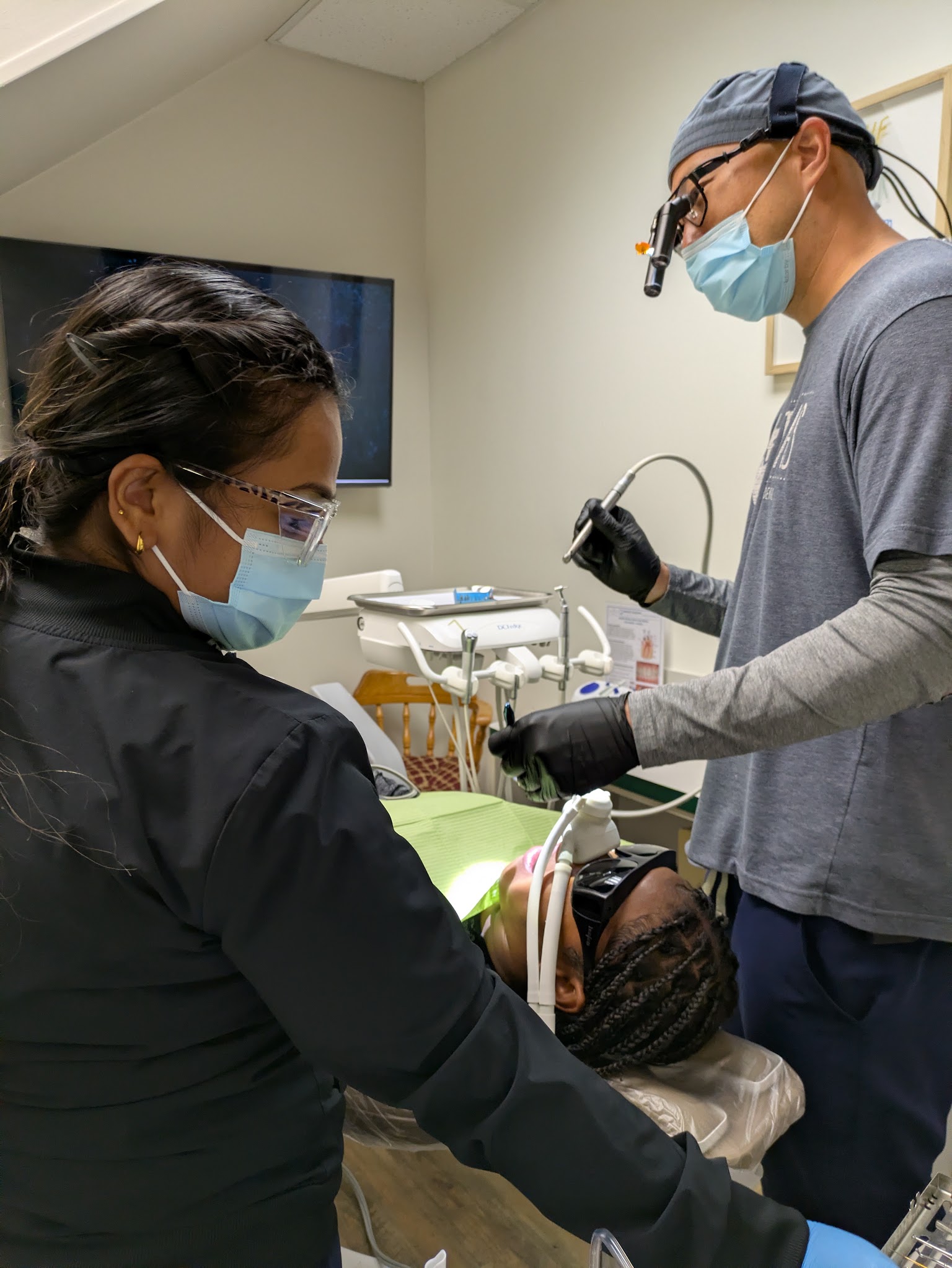
Imagine biting into a crisp apple, laughing freely during a conversation, or enjoying your favorite meal without thinking about your teeth. For many people who have experienced tooth loss, these everyday moments can become challenging. Traditional tooth replacement options often restore appearance, but they may not fully recreate the natural feeling of having your own teeth. This is where dental implants stand apart.
One of the most remarkable things patients notice after treatment is how natural their replacement tooth feels. Unlike removable options that may shift or require adjustments, implants become part of your smile, closely mimicking the structure and function of a natural tooth.
Many patients visiting Mason Park Dental often ask the same question: “Why do dental implants feel so real?” The answer lies in science, biology, advanced planning, and the body’s incredible ability to adapt. From the implant placement process to long-term healing, every step contributes to creating a tooth replacement that looks, feels, and functions naturally.
Let’s explore what makes dental implants among the most realistic tooth replacement options available today.
The Secret Starts Below the Gumline
When people look at a dental implant, they usually see only the crown, which resembles a natural tooth. However, the true magic happens underneath the surface.
- A natural tooth consists of two major components:
- The visible crown
- The root embedded within the jawbone
When a tooth is lost, both components disappear. Traditional bridges and dentures replace only the visible portion. Dental implants are different because they also replace the missing root. A small titanium post is placed into the jawbone during implant placement. This post serves as an artificial root, providing stability and support for the replacement tooth. Because the implant functions similarly to a natural root, patients often describe the restored tooth as feeling remarkably normal.
Your Jawbone Plays a Bigger Role Than You Think
One reason natural teeth feel stable is that they are anchored inside healthy bone. After tooth loss, the jawbone begins shrinking due to a lack of stimulation. This gradual bone loss can affect facial appearance and oral function over time.
Dental implants help address this challenge by stimulating the jawbone during everyday activities such as chewing and speaking. This stimulation encourages the bone to remain active and healthy, much like it would around a natural tooth root.
The result is a restoration that feels secure rather than sitting on top of the gums. Patients considering tooth replacement with dental implants are often surprised to learn that implants not only replace missing teeth but also help preserve the bone structure that supports their smile.
The Amazing Science Behind Bone Integration
Perhaps the most fascinating reason implants feel natural is a biological process called osseointegration. This process refers to the direct connection between the implant and the surrounding jawbone.
After the implant is placed, the bone gradually grows around the titanium surface. Over time, the implant becomes firmly integrated within the jaw. This bone integration after implants creates an exceptionally stable foundation.
Think of it like planting a tree. Initially, the tree is supported by the soil. As time passes, its roots spread and become firmly established. Eventually, the tree becomes part of the landscape.
Similarly, the implant becomes securely connected to the jawbone. This integration allows patients to chew, smile, and speak with confidence while enjoying a sensation that closely resembles natural teeth.
Understanding the Dental Implant Healing Journey
Many people assume the final restoration is what creates the natural feel. In reality, much of the success comes from the healing phase. The dental implant healing stages are carefully designed to allow the implant and surrounding tissues to adapt properly.
Stage One: Initial Recovery
Following implant placement, the body begins healing the surgical site. Mild swelling and tenderness are normal and typically temporary. The focus during this stage is on protecting the area while the healing process begins.
Stage Two: Early Bone Adaptation
Over the following weeks, bone cells start interacting with the implant surface. This marks the beginning of the integration process.
Stage Three: Bone Integration
Over the next several months, the jawbone continues to strengthen its connection with the implant. This period is essential because it creates the long-term stability that patients depend on.
Stage Four: Final Restoration
Once healing is complete, the custom-designed crown is attached. At this point, many patients notice that the implant feels less like a dental restoration and more like a natural part of their smile.
Why Implant Crowns Look and Feel So Real
The implant itself provides stability, but the crown contributes significantly to comfort and appearance.
- Modern dental crowns are carefully crafted to match:
- Tooth shape
- Tooth size
- Surface texture
- Natural contours
- Bite alignment
Advanced digital technology allows dental teams to create restorations that blend seamlessly with surrounding teeth. The goal is not simply to replace a missing tooth. The goal is to create harmony throughout the smile. When properly designed, patients often forget which tooth was replaced because the restoration feels so natural during everyday activities.
Comfort During Everyday Life
One of the biggest differences between implants and other tooth replacement options is comfort.
- Because implants are secured within the jawbone, they remain stable during:
- Eating
- Speaking
- Smiling
- Laughing
- Exercising
There is no need to worry about movement or slipping. Many patients report that they stop thinking about their implant altogether after a period of adjustment. That level of comfort is often the strongest indicator that treatment has successfully recreated the feel of a natural tooth.
The Psychological Side of Feeling Natural
The experience of a natural smile isn’t only physical. It’s emotional as well. Missing teeth can affect confidence, communication, and social interactions. When patients restore their smiles with implants, they often experience benefits beyond oral function.
- They may feel more comfortable:
- Speaking in public
- Smiling in photographs
- Meeting new people
- Enjoying meals with family and friends
Because implants closely mimic natural teeth, they help remove the constant reminder of tooth loss that some patients experience with removable solutions. This emotional comfort contributes significantly to the perception that implants feel natural.
Personalized Planning Makes All the Difference
No two smiles are identical. The position of the implant, the quality of the bone, the bite relationship, and the final restoration must all work together. This is why Dr. Dave Cho’s dental implant consultation is such an important step.
- During the consultation, several factors are evaluated, including:
- Oral health
- Bone structure
- Missing tooth location
- Bite alignment
- Treatment goals
Advanced imaging technology allows for detailed planning before treatment even begins. This level of precision helps create outcomes that are both comfortable and predictable. Rather than using a one-size-fits-all approach, every treatment plan is tailored to the individual patient.
Why Patients Often Forget They Have an Implant
Many dental restorations require ongoing awareness. Patients may need to adjust their chewing habits or be mindful of movement. Dental implants are different. Because of their stability, patients often stop noticing them altogether.
- This occurs because implants:
- Function like natural roots
- Support balanced chewing forces
- Preserve jawbone health
- Maintain facial structure
- Provide long-term stability
The brain quickly adapts to the restored tooth, allowing it to function normally in daily life. This adaptation is one reason so many people describe their implant as feeling “just like a real tooth.”
Long-Term Benefits Beyond Natural Feel
While comfort is important, implants offer several additional advantages.
Improved Chewing Function
Patients can enjoy a wider variety of foods without worrying about instability.
Jawbone Preservation
The stimulation provided by implants helps support bone health over time.
Smile Stability
Neighboring teeth remain unaffected because implants do not rely on adjacent teeth for support.
Long-Term Durability
With proper care, implants can provide reliable function for many years.
Enhanced Confidence
Many patients feel more comfortable smiling, speaking, and engaging socially.
These benefits make dental implants one of the most comprehensive solutions for missing teeth.
- The Future of Natural Tooth Replacement
- Dental implant technology continues evolving through advancements in:
- Digital treatment planning
- Three-dimensional imaging
- Implant surface technology
- Custom restoration design
- Guided surgical procedures
These innovations continue improving comfort, precision, and patient outcomes. As technology advances, the ability to replicate the look and feel of natural teeth becomes even more impressive. Patients today have access to treatment options that were unimaginable just a few decades ago.
Key Takeaways
Dental implants feel natural because they replace both the visible part of the tooth and its root.
The implant placement process creates a stable foundation within the jawbone.
Bone integration after implants allows the implant to become securely connected to the surrounding bone.
The dental implant healing stages are critical for achieving long-term comfort and stability.
Personalized treatment planning contributes significantly to natural-looking and natural-feeling results.
Tooth replacement with dental implants helps preserve jawbone health and supports everyday function.
Dr. Dave Cho’s dental implant consultation helps determine the most appropriate treatment approach for each patient.
Frequently Asked Questions
1. Why do dental implants feel more natural than dentures?
Dental implants are anchored directly into the jawbone, providing stability similar to natural tooth roots. This secure foundation allows them to function more like real teeth during eating and speaking.
2. How long does bone integration after implants take?
While healing varies by patient, bone integration after implants generally occurs over several months. Your dental team will monitor progress to determine when the implant is ready for the final restoration.
3. Are the dental implant healing stages uncomfortable?
Most patients experience only temporary discomfort during the initial healing period. Any soreness typically improves as the tissues recover and adapt.
4. Can dental implants restore normal chewing ability?
Yes. Once fully healed, dental implants can restore significant chewing function, allowing patients to enjoy many of the foods they love with confidence.
5. What happens during Dr. Dave Cho’s dental implant consultation?
The consultation includes a comprehensive evaluation of your oral health, bone structure, treatment goals, and eligibility for implant treatment. Advanced imaging may also be used to create a personalized treatment plan.
Conclusion
The reason dental implants feel so natural goes far beyond appearance. Their ability to replace the missing tooth root, integrate with the jawbone, and support everyday function creates an experience that closely resembles having a natural tooth.
From the implant placement process to the final restoration, every stage is designed to provide stability, comfort, and confidence. Combined with modern technology and personalized treatment planning, dental implants continue to set the standard for long-term tooth replacement solutions.
If you’re exploring options for restoring your smile, understanding how implants work can help you appreciate why so many patients consider them one of the most life-changing advancements in modern dental care.
Want to schedule an appointment now? Follow our directions, use this helpful Google Maps link, or get step-by-step navigation via Get Directions.
——————————————————————————————————————————————————————
Remember: A missing tooth affects more than your smile. Early treatment can help preserve bone health, maintain proper function, and support long-term oral wellness while restoring confidence in everyday life.
Disclaimer: This article is intended for educational purposes only and should not replace professional dental advice, diagnosis, or treatment. Please consult a qualified dental professional to determine the most appropriate treatment option for your individual needs.