
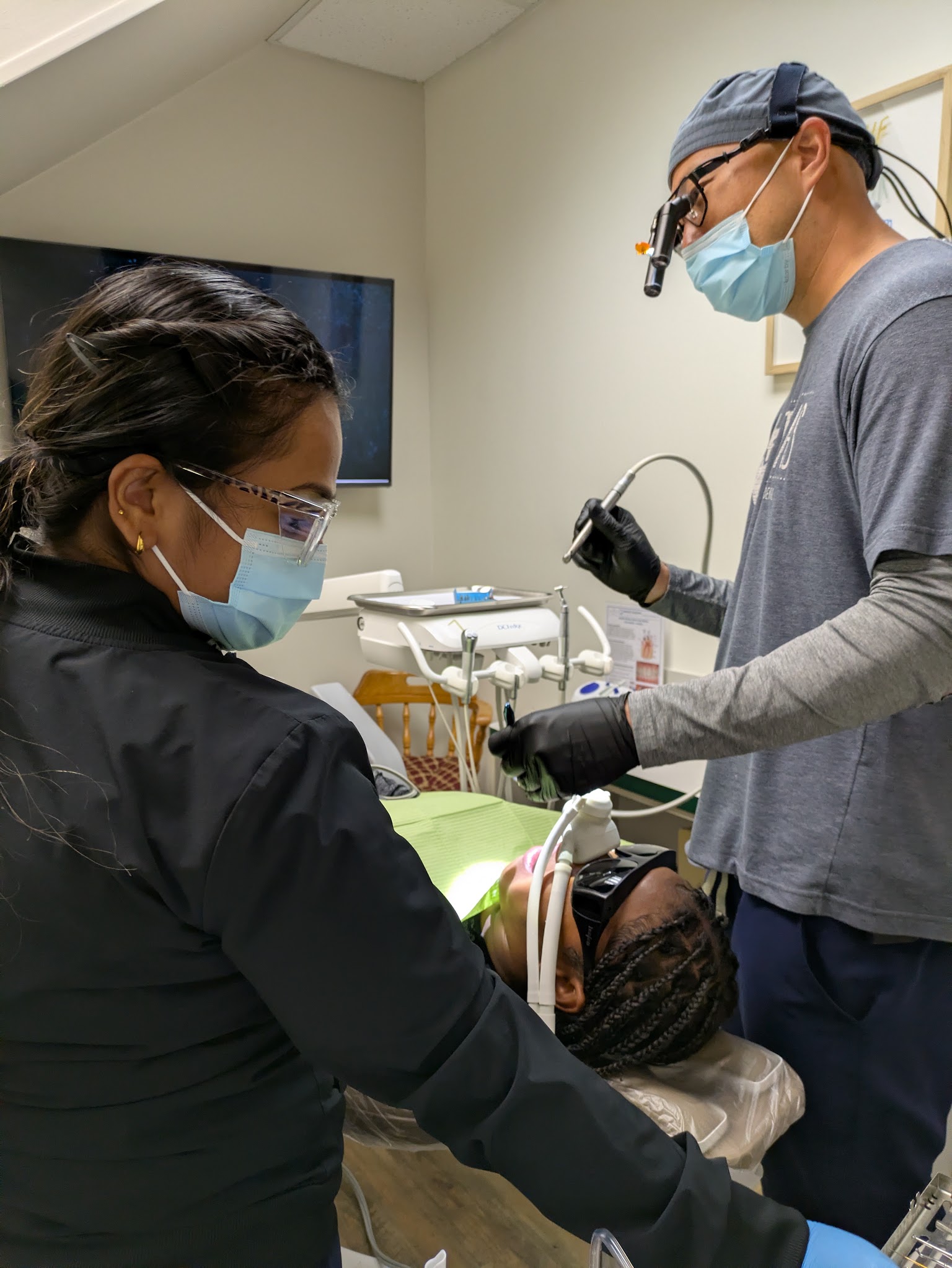
Losing a tooth changes more than your smile.
It changes how you chew, how you speak, and sometimes how confident you feel in everyday moments. Many patients describe it as a quiet disruption that slowly affects comfort and routine.
Dental implants were designed to solve that disruption at its root. Not by masking the gap, but by rebuilding what was lost in a way that feels natural, steady, and reliable. This guide walks you through the dental implant procedure step by step, not as a technical checklist, but as a real journey toward new teeth that feel like part of you again.
At Mason Park Dental, patients often say they want clarity more than anything else. They want to know what happens first, what happens next, and how it all comes together in real life. This blog is written to answer those questions clearly and calmly, so you can move forward with confidence.
The Philosophy Behind Dental Implants
A dental implant is not just a replacement tooth.
It is a replacement root.
That distinction matters. When a natural tooth is lost, the jawbone underneath no longer receives stimulation. Over time, the bone can shrink, the bite can shift, and surrounding teeth may carry extra pressure. Dental implants address the problem at its foundation by restoring that stimulation and support.
This is why many patients experience Smile stability from implants by Dr. Dave Cho as more than a visual improvement. It is about balance, strength, and predictability in daily life.
Step One: Thoughtful Evaluation and Planning
Every implant journey begins with listening.
Not just to scans or measurements, but to the patient’s story.
Dr. Dave Cho starts by understanding what led to tooth loss, how long the space has been present, and what the patient hopes to regain. This step includes digital imaging, bite analysis, and a review of medical and dental history.
Planning is where success is built. Implant placement is mapped carefully to support chewing forces, facial balance, and long-term comfort. This is also where Dr. Dave Cho explains implant advantages clearly, so patients know why implants differ from bridges or removable options.
For patients already wearing aligners, they are worn all the time, except for oral hygiene, to maintain alignment stability during planning.
Step Two: Preparing the Foundation
Before placing the implant, the jawbone must be ready to support it.
In many cases, it already is. In others, preparation may be needed.
This phase may include gentle bone support procedures if the area has changed since the tooth was lost. The goal is not speed. The goal is strength. A solid foundation allows the implant to integrate naturally with the bone, creating the stability that defines successful outcomes.
Patients often appreciate that this stage is planned proactively rather than reactively. It reduces surprises later and improves predictability.
Step Three: Implant Placement
This is the moment most patients worry about, and often the moment they later describe as easier than expected.
The implant itself is a small titanium post placed into the jawbone. The procedure is performed with precision and attention to comfort. Local anesthesia is used, and the process is controlled and methodical.
Once placed, the implant is left to heal and bond with the bone in a process called osseointegration. This bonding is what allows implants to function like natural tooth roots.
It is during this healing phase that patients begin to understand Functional and esthetic dental implant benefitsEveryday comfort through dental implants in a practical way. The implant becomes part of the body’s structure, not just a surface solution.
Step Four: Healing and Integration
Healing is not passive.
It is progress happening quietly beneath the surface.
Over several months, the bone grows around the implant, securing it firmly in place. Patients continue with normal routines while following care instructions designed to protect the area and support integration.
This phase sets implants apart from other tooth replacement options. Instead of resting on gums or relying on neighboring teeth, implants stand independently, anchored and stable.
Step Five: Designing the New Tooth
Once integration is complete, attention turns to the visible part of the restoration.
A custom crown is created to match the surrounding teeth in shape, size, and color. The goal is not perfection in isolation, but harmony within the smile.
When placed, the crown completes the system. Root, support, and surface now work together. Patients often describe this moment as feeling “whole” again, because chewing, speaking, and smiling begin to feel effortless. This is where Everyday comfort through dental implants becomes real.
Life After Dental Implants
Life after implants is not about constant awareness.
It is about forgetting they are there.
Patients eat confidently, speak clearly, and smile without hesitation. The implant does not shift, click, or require removal. It simply functions as part of the mouth.
With consistent hygiene and regular dental visits, implants are designed to last for many years. This is where Long-term implant care with Dr. Dave Cho plays an important role. Maintenance is simple, but consistency matters.
Why Patients Choose Implants
Patients often choose implants not because they want something new, but because they want something dependable. After living with a gap, a loose tooth, or an option that never quite felt right, many people are simply looking for stability they can trust every day.
Dental implants restore chewing balance by distributing pressure evenly across the bite. This means less strain on surrounding teeth and a more comfortable experience while eating, whether it is a quick snack or a full meal. Over time, this balance helps protect the overall structure of the mouth.
Implants also play an important role in protecting the jawbone. When a tooth is missing, the bone underneath can slowly weaken due to lack of use. Implants help maintain that strength by mimicking the function of a natural tooth root, supporting long-term oral health in a way other solutions often cannot.
Another reason patients choose implants is their ability to keep nearby teeth in place. Gaps can cause surrounding teeth to shift over time, changing how the bite fits together and increasing wear. Implants help preserve alignment and prevent those gradual changes from occurring.
Most importantly, implants support confidence in everyday interactions. Conversations feel easier when speech is clear. Meals feel natural when chewing is secure. Smiles feel unforced when nothing feels loose or temporary. These everyday moments reflect Smile stability from implants by Dr. Dave Cho in real life, not just in photographs, but in how patients move through their day with comfort and confidence.
- Key Takeaways
- Dental implants replace both the tooth and its root for true stability
- Careful planning is essential for comfort and durability
- Healing allows implants to integrate naturally with the jawbone
- Custom crowns complete the process with natural function
- Consistent care supports long-term success
- FAQs
1. How long does the dental implant process take?
The full process usually spans several months, allowing time for healing and integration. While the timeline varies, each phase is designed to support lasting results rather than rushed outcomes.
2. Are dental implants uncomfortable?
Most patients report minimal discomfort during and after placement. The procedure is controlled, and healing is gradual. Many people find recovery easier than expected.
3. Can implants replace more than one tooth?
Yes. Implants can support single teeth, multiple teeth, or full restorations depending on individual needs and planning.
4. How do I care for dental implants?
Implants are cared for like natural teeth with brushing, flossing, and regular dental visits. Good habits support long-term success.
5. Are dental implants a permanent solution?
With proper care, implants are designed to last many years and often decades, making them one of the most durable tooth replacement options available.
Conclusion
Choosing dental implants is not just a decision about replacing missing teeth. It is a decision about restoring rhythm to daily life. Eating without hesitation. Speaking without self-consciousness. Smiling without thinking twice.
The dental implant process works because it respects how the mouth is meant to function. By rebuilding support at the root level, implants offer stability that feels natural and dependable over time. From careful planning to thoughtful placement and long-term care, each step plays a role in creating results that last.
At Mason Park Dental, Dr. Dave Cho approaches implant care with patience, precision, and a deep respect for how small changes can create meaningful improvements. For patients seeking a solution that blends comfort, strength, and confidence, dental implants offer a steady path forward, one that feels less like a procedure and more like a return to normal life.
———————————————————————————————————————————————-
Remember: Dental implants are not just about replacing teeth. They are about restoring comfort, balance, and confidence in everyday life. Thoughtful planning and consistent care make all the difference.
Disclaimer: This content is for informational purposes only and does not replace personalized dental advice. Always consult your dentist to determine the best treatment plan for your individual needs.