
Most people do not realize how much a single missing tooth can affect daily life until it actually happens. A small gap can slowly change the way you eat, speak, smile, and even interact with others. Over time, surrounding teeth may begin to shift, chewing pressure may become uneven, and bone loss can quietly begin beneath the surface.
For years, people accepted temporary fixes or uncomfortable alternatives simply because they did not know a better option existed. Today, tooth replacement with dental implants has completely changed that conversation.
Dental implants are designed to feel stable, natural, and long-lasting. Unlike removable appliances that sit on top of the gums, implants become part of the jaw structure itself. They are created to restore function while helping preserve the health of the surrounding bone and tissues.
This blog explores why dental implants have become one of the most trusted modern solutions for missing teeth, what the implant placement process looks like, how the healing stages work, and why many patients say they wish they had learned about implants sooner.
Missing Teeth Affect More Than Just Appearance
A missing tooth often starts as something people try to ignore. Some patients adapt by chewing on one side. Others avoid smiling fully in photos or speaking confidently in social situations.
However, the effects of tooth loss usually continue progressing over time.
The jawbone depends on stimulation from natural tooth roots to maintain strength and density. When a tooth is lost, the bone in that area can begin shrinking gradually. This process may alter facial support and create future oral health concerns.
- Patients may also experience:
- Difficulty chewing certain foods
- Increased pressure on surrounding teeth
- Changes in bite alignment
- Speech challenges
- Jaw discomfort
- Reduced confidence in social interactions
This is one reason why early treatment planning matters. Replacing missing teeth is not only about restoring a smile. It is also about supporting long-term oral function and preserving overall dental stability.
Why Dental Implants Feel Different From Traditional Tooth Replacement
One of the biggest reasons implants stand apart from older solutions is the way they interact with the jawbone.
Traditional tooth replacement methods may sit above the gums or rely heavily on neighboring teeth for support. Dental implants work differently. A small titanium post is placed into the jaw where the missing root once existed. Over time, bone integration after implants occurs naturally as the jawbone bonds around the implant surface.
This creates a strong and stable foundation for the final restoration.
Many patients report that implants feel more natural because they remain secure while eating, speaking, and smiling.
The ability to restore both the visible tooth and the root structure is what makes dental implants such an advanced long-term solution.
The Emotional Side of Replacing Missing Teeth
There is also an emotional side to tooth loss that many people rarely discuss openly.
Patients sometimes begin covering their mouths while laughing. Some avoid video calls or family photos. Others become self-conscious during meals or conversations.
Replacing missing teeth can often improve much more than just chewing ability.
Patients frequently report feeling more comfortable socially, more willing to smile naturally, and more confident during professional or personal interactions. That emotional relief can become just as meaningful as the physical improvements.
This is one reason many people who undergo tooth replacement with dental implants often say they wish they had started the process earlier.
Understanding the Implant Placement Process
One of the most common misconceptions about implants is that the treatment feels confusing or overwhelming. In reality, modern technology has made the process far more precise and organized than many patients expect.
The implant placement process usually begins with detailed planning and digital imaging.
Consultation and Digital Evaluation
Every smile is different. During the consultation phase, the dentist evaluates oral health, jawbone condition, gum health, and treatment goals.
Advanced digital scans and imaging help map the treatment area carefully. This planning stage helps create a customized strategy for implant placement and long-term function.
Patients interested in learning whether they qualify for implants often begin with Dr. Dave Cho’s dental implant consultation at Mason Park Dental, where treatment options, healing expectations, and oral health conditions are evaluated in detail.
This stage also allows patients to ask questions about recovery timelines, comfort, cost expectations, and long-term maintenance.
Preparing the Implant Site
Some patients already have enough healthy bone for implant placement. Others may require additional preparation before moving forward.
Bone support plays an important role in implant success. If bone loss has occurred after tooth extraction or with long-term tooth loss, procedures such as bone grafting may be recommended to strengthen the implant site.
Digital treatment planning helps determine the safest and most stable approach for each individual patient.
Implant Placement Day
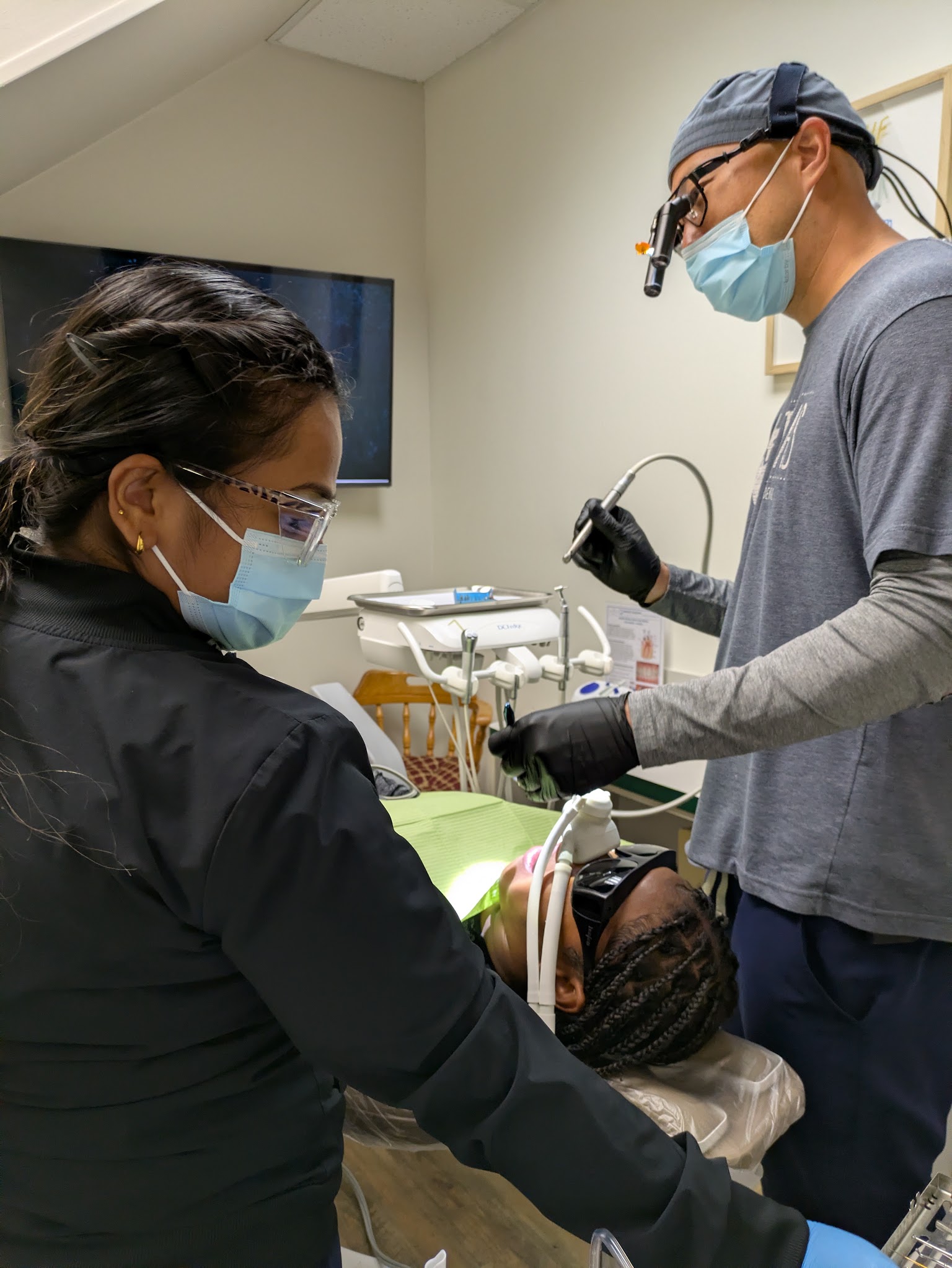
During the implant procedure, the titanium implant post is carefully positioned within the jawbone.
Modern dental technology allows the placement to be highly precise. Many patients are surprised by how smooth and manageable the appointment feels compared to what they originally expected.
Once the implant is placed, healing begins beneath the surface as the jawbone gradually fuses around the implant.
This stage is essential for long-term stability.
Dental Implant Healing Stages: What Happens After Placement?
Healing is one of the most important parts of implant treatment.
The dental implant healing stages occur gradually and are designed to support long-term implant strength and function.
Early Healing Phase
During the first several days after surgery, the gums begin to heal around the implant site. Mild swelling or tenderness may occur temporarily, which is a normal part of recovery for many patients.
Patients are typically given instructions to support healing and maintain proper oral hygiene throughout recovery.
Bone Integration After Implants
One of the most remarkable aspects of implant dentistry is the bone integration that occurs after implant placement.
This biological process allows the jawbone to bond directly with the titanium implant surface over time. The implant essentially becomes anchored within the jawbone.
This stage can take several months depending on the patient’s healing response and treatment complexity.
The long-term stability of dental implants depends heavily on successful integration between the bone and the implant.
Final Restoration Phase
Once healing and integration are complete, the final custom restoration is attached to the implant.
- Depending on the patient’s needs, this may include:
- A dental crown
- An implant-supported bridge
- Implant-supported teeth for multiple missing teeth
- Full-arch restorations
The final restoration is designed to blend naturally with surrounding teeth while restoring everyday function.
Many patients describe this stage as the moment everything finally feels complete again.
Why More Adults Are Choosing Dental Implants Earlier
Years ago, many people delayed treatment for missing teeth because they assumed implants were only for difficult dental situations.
Today, more adults are choosing implants at a much earlier age because they understand the long-term advantages of preserving jawbone health and maintaining daily comfort.
- Patients often appreciate that implants can:
- Help support facial structure
- Improve chewing stability
- Restore confidence while speaking and smiling
- Reduce shifting of neighboring teeth
- Provide long-term durability
- Feel more natural during daily activities
As awareness continues growing, implants are increasingly viewed as an investment in both oral health and quality of life.
Common Concerns Patients Have Before Treatment
Even patients interested in implants often have understandable concerns before starting treatment.
“Will the procedure feel uncomfortable?”
Modern dental techniques, digital planning, and guided procedures have significantly improved patient comfort during implant treatment. Many individuals report that the process felt easier than they initially imagined.
“How long does treatment take?”
Treatment timelines vary depending on healing, bone condition, and the number of implants being placed.
Some patients may complete treatment more quickly, while others require additional healing stages before the final restoration is attached.
“Will implants look natural?”
Modern implant restorations are carefully customized to match surrounding teeth in shape, color, and proportion. The goal is to create a natural-looking smile that blends comfortably with facial features.
“Are implants long-lasting?”
With proper care and regular dental visits, implants are designed to provide long-term function and stability.
Oral hygiene, routine maintenance, and professional monitoring all contribute to implant longevity.
The Connection Between Confidence and Oral Function
People often think about missing teeth emotionally before they think about them physically.
Confidence during conversations, smiling naturally in photos, enjoying meals comfortably, and speaking without hesitation all contribute to everyday quality of life.
Dental implants help restore more than just a visible tooth. They help many patients feel more like themselves again.
That emotional transformation can impact relationships, work interactions, social experiences, and overall self-esteem in ways that are difficult to measure but deeply meaningful.
Key Takeaways
Dental implants replace both the visible part of the tooth and the root structure.
Bone integration after implants helps create long-term stability.
The implant placement process is highly customized using modern digital planning.
The stages of dental implant healing are essential for long-term success.
Tooth replacement with dental implants can improve both oral function and confidence.
Early treatment may help preserve jawbone health and surrounding teeth.
Many patients say they wish they had learned about implants sooner because of the long-term comfort and stability they provide.
The Future of Implant Dentistry
Modern implant dentistry continues evolving through digital innovations, improved materials, and more precise treatment planning.
Advanced imaging technology now allows dentists to evaluate bone structure with incredible accuracy. Guided implant systems improve placement precision while helping support efficient treatment outcomes.
As research and technology continue progressing, implants are becoming even more personalized, comfortable, and predictable for patients seeking permanent tooth replacement solutions.
The future of dentistry is increasingly focused on preserving long-term oral health while restoring natural daily function, and implants continue to play a major role in that transformation.
FAQs
1. How long do dental implants usually last?
Dental implants are designed to provide long-term stability and durability when properly maintained with good oral hygiene and routine dental care.
2. What happens during bone integration after implants?
Bone integration after implants occurs when the jawbone naturally bonds around the titanium implant surface. This process helps secure the implant firmly within the jaw.
3. Are dental implants suitable for replacing multiple missing teeth?
Yes. Implant-supported restorations can replace one missing tooth, several missing teeth, or even full arches, depending on the patient’s needs.
4. How important are the dental implant healing stages?
Healing stages are extremely important because they allow the implant and jawbone to bond properly before the final restoration is attached.
5. What should patients expect during Dr. Dave Cho’s dental implant consultation?
At Mason Park Dental, led by Dr. Dave Cho, a dental implant consultation typically includes digital imaging, oral health evaluation, discussion of treatment goals, and personalized planning based on the patient’s dental condition.
Conclusion
Losing a tooth can feel frustrating, overwhelming, or even discouraging at first. However, modern dentistry has created solutions that go far beyond temporary fixes.
Dental implants offer stability, long-term support, natural function, and renewed confidence for many patients living with missing teeth. From the implant placement process to the gradual stages of dental implant healing, every step is designed to rebuild strength and restore everyday comfort.
For many individuals, implants become more than a dental procedure. They become an opportunity to eat comfortably again, smile naturally again, and stop constantly thinking about the missing space in their smile.
Patients exploring tooth replacement with dental implants often discover that the process is far more advanced, supportive, and life-changing than they originally expected.
—————————————————————————————————————————————————
Remember: Replacing missing teeth early may help preserve jawbone strength, support surrounding teeth, and improve long-term oral health. Dental implants are not just about restoring a smile. They are about restoring everyday confidence and comfort.
Disclaimer: This blog is intended for educational purposes only and should not replace professional dental advice or diagnosis. Treatment recommendations vary for every patient, so a personalized dental evaluation is always important before beginning implant treatment.