
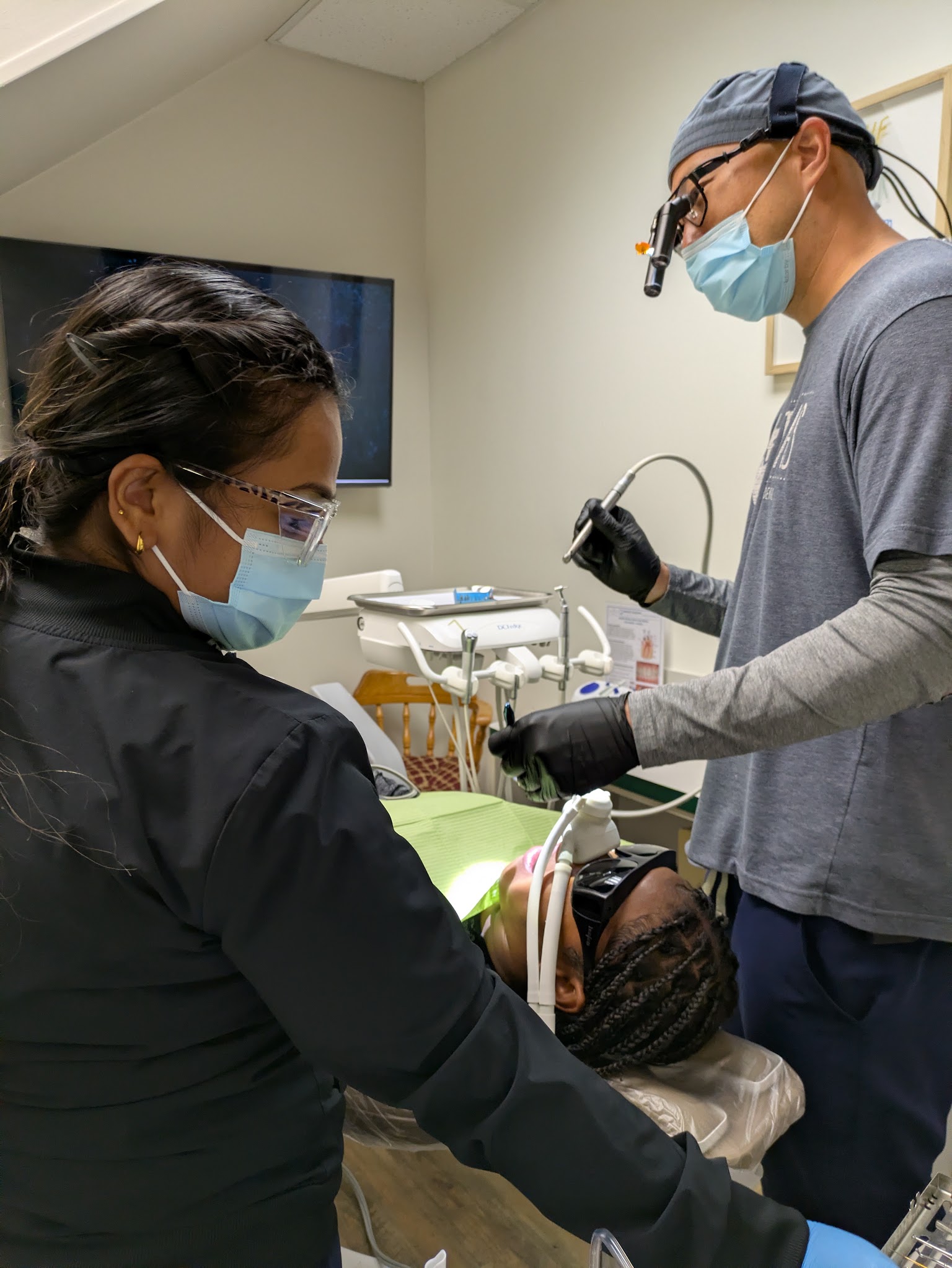
You may be wondering what to eat after your dental implant replacement. Your diet plays a crucial role in promoting healing and ensuring your new dental implants at Mason Park Dental, under the care of Dr. Dave Cho and Dr. William Sung, remain successful. Choosing the right foods and avoiding certain items can support your recovery and allow you to enjoy a smooth transition to a healthier smile.
In this guide, we’ll discuss the best dietary practices after your procedure to ensure optimal results.
Understanding Dental Implant Replacement
It’s crucial to understand what any dental procedure entails before undergoing it, especially when it comes to dental implants.
What Are Dental Implants?
Implant restorations are artificial tooth roots crafted from biocompatible materials that support crowns, bridges, or dentures. They provide a stable foundation for replacement teeth, enhancing functionality and esthetics. We specialize in dental implant services, ensuring a tailored approach to meet your individual needs.
The Importance of a Healthy Diet Post-Procedure
What you eat following your dental implant replacement significantly impacts your healing process. Consuming the right foods can help foster recovery, while certain foods can hinder your progress.
Replacement of missing teeth is an investment in your oral health. A nutritious diet supports the healing of your gums and the integration of the implants with your jawbone. Focus on soft, nutrient-rich foods that promote healing, and avoid hard or sticky foods that might disrupt the procedure site. By prioritizing your diet after dental implant replacement, you set the stage for a successful recovery and long-term dental health.
Immediate Dietary Recommendations
The period immediately following your dental implant replacement is crucial for healing. To support your recovery, it’s important to make informed dietary choices. Here are some immediate dietary recommendations to help you navigate this phase effectively.
Soft Foods to Incorporate
On your journey to recovery, it’s advisable to incorporate soft foods into your diet. Foods such as yogurt, smoothies, applesauce, and mashed potatoes are gentle on your healing gums. They will provide vital nutrients while minimizing discomfort.
Foods to Avoid Right After Surgery
One critical step post-surgery is to avoid certain foods that could disrupt your healing process. Hard, crunchy, or sticky foods can cause discomfort or damage dental implants. It’s vital to exercise caution in your food choices during the initial recovery period.
Dietary choices play a significant role in your recovery from dental implant replacement. You should avoid foods like nuts, popcorn, and hard candies, as these can put unnecessary pressure on the newly placed implants, potentially leading to complications or prolonged healing times. Sticking with softer alternatives will minimize risks and help your mouth heal comfortably.
Hydration and Its Importance
Immediate hydration after your dental implant replacement is vital for your recovery. You should drink plenty of fluids, preferably water, to keep your body well-hydrated. Proper hydration is essential for maintaining optimal health during your healing process.
Foods rich in water content, such as soups and broths, can also contribute to your hydration. Staying hydrated not only helps with recovery but also aids in reducing swelling and discomfort. Keep a water bottle nearby and sip throughout the day to promote your healing effectively.
Ideal Foods for Post-Implant Recovery
Choosing the right foods is imperative for a smooth recovery after your dental implant replacement. Opt for soft, nutrient-rich options that support healing and give your body the energy to recover effectively.
Protein-Rich Foods for Healing
Any protein-rich foods you incorporate into your diet will play a significant role in healing after your dental implant surgery. Foods like yogurt, eggs, and soft fish can help promote tissue repair and maintain muscle mass, crucial for overall recovery.
Nutrient-Dense Fruits and Vegetables
Foods like spinach, avocados, and berries contain vitamins and minerals that can accelerate healing. These nutrient-dense fruits and vegetables offer antioxidants that combat inflammation and facilitate recovery post-surgery.
Following dental implant replacement, it’s imperative to include a variety of colorful fruits and vegetables in your diet. They support immune function, provide hydration, and are easy to eat. Smoothies can be an excellent way to blend these nutrients while keeping the texture gentle on your healing gums.
Whole Grains for Energy Recovery
Foods like oatmeal, quinoa, and brown rice are beneficial as you recover from your dental implants. Whole grains provide the energy your body needs to heal while being easy to consume.
To maintain your strength and energy levels during recovery, consider incorporating a range of whole grains into your meals. These foods help replenish lost energy and supply fiber, which aids digestion—important for overall well-being as you heal after your dental implant replacement. For personalized care, consider contacting the professionals at Mason Park Dental.
Dr. Dave Cho and Dr. William Sung offer comprehensive dental implant services, ensuring a smooth recovery for their patients.
Foods to Avoid During Recovery
Unlike regular eating habits, your diet after a dental implant replacement requires careful consideration. To ensure a smooth recovery, it’s crucial to avoid certain foods that may hinder the healing process.
Hard and Crunchy Foods
Avoid hard and crunchy foods such as nuts, popcorn, and crispy crusts to promote healing. These foods can put excessive pressure on your dental implants, potentially causing discomfort and delaying recovery.
Acidic Foods and Beverages
The acidity in foods like citrus fruits, vinegar-based dressings, and sodas can irritate your gums and implant sites while they heal. To avoid unnecessary discomfort, it is best to limit your consumption of these items.
Additionally, consuming acidic foods can affect your mouth’s pH balance, leading to problems like increased sensitivity or even infection at the implant site. Opt for milder, less abrasive options to promote optimal healing during your recovery.
Sugary Snacks and Junk Food
Avoiding sugary snacks and junk food is an important consideration for your diet post-surgery. Items like candy, cakes, or sugary drinks can contribute to inflammation. They may increase your risk of complications during recovery.
Foods high in sugar provide little nutritional benefit and can promote bacteria growth in your mouth, which could jeopardize the success of your dental implant replacement. It’s wise to focus on nutrient-rich alternatives that support your healing journey.
Tips for Maintaining Oral Hygiene Post-Implant
Once again, maintaining proper oral hygiene after a dental implant replacement is crucial for ensuring your new implant functions well and stays healthy. Here are some imperative tips to help you keep your mouth clean:
Brush your teeth at least twice a day.
Use a soft-bristled toothbrush to avoid irritation.
Floss daily to remove plaque from hard-to-reach areas.
Rinse with a recommended mouthwash to kill bacteria.
Schedule regular check-ups with us.
Perceiving these practices can make a significant difference in your oral health post-implant.
Proper Brushing Techniques
Hygiene is paramount after getting a dental implant. Use a soft-bristled toothbrush and brush gently around the implant site. Ensure you hold the brush at a 45-degree angle to reach the gum line effectively. Be consistent with your brushing routine twice daily to remove plaque and prevent bacteria buildup around your new implant.
Recommended Mouthwash
Techniques for maintaining oral hygiene should include rinsing with an antimicrobial mouthwash to help keep your mouth free of harmful bacteria. This is particularly beneficial after dental implant replacement, as it reduces the risk of infection.
Understanding the right mouthwash options is vital. Look for products that are alcohol-free and clinically formulated for post-surgery care. Rinsing with mouthwash daily can enhance your oral hygiene routine and provide extra protection against complications associated with dental implants.
Importance of Regular Dental Check-ups
The significance of regular dental check-ups cannot be overstated, especially after your implant procedure. These appointments allow us to monitor your healing progress and ensure your implants function correctly.
Maintaining these visits is important, as they are crucial for identifying issues early. Regular check-ups can help preempt complications and allow your dental professionals to provide guidance and support tailored to your unique needs after receiving dental implant replacement.
Long-Term Dietary Habits for Maintaining Implants
Your dietary choices play a crucial role in the longevity and health of your dental implants. By embracing good nutrition, you can enhance the healing process post-replacement and ensure the stability of your implants over time.
Incorporating Balanced Meals
The key to maintaining dental implants is incorporating well-balanced meals that offer a variety of nutrients. Focus on foods rich in protein, vitamins, and minerals, which help tissue repair and support oral health. This includes lean meats, legumes, whole grains, and fruits and vegetables.
Foods to Strengthen Oral Health
To further enhance your oral health, consider foods that contribute to stronger teeth and gums. Dairy products, leafy greens, nuts, and crunchy fruits like apples can help maintain the integrity of your implants while providing imperative nutrients.
Implants benefit greatly from foods rich in calcium and phosphorus, pivotal for bone health. Incorporating yogurt, cheese, and dark leafy greens into your diet can help protect your implants and promote optimal healing. Additionally, crunchy vegetables such as carrots and celery encourage saliva production, which naturally cleanses your mouth and reduces bacteria.
Importance of Limiting Stains and Acids
Understand the importance of limiting exposure to acidic foods and drinks and stain-causing products to strengthen your implant’s durability. This can prevent damage to your implants and natural teeth over time.
Foods and beverages such as coffee, tea, red wine, and citrus fruits can lead to staining. They might weaken the structural integrity of your dental implants if consumed excessively. To protect your investment, consider moderating these items in your diet and opting for less harmful alternatives to your oral health.
When to Consult Your Dental Professional
Many dental implant patients wonder about the signs of complications that may arise after their procedure. It’s important to remain vigilant and aware of any unusual symptoms that could indicate issues with your dental implants.
Signs of Complications
For instance, if you experience prolonged swelling, severe pain, or bleeding beyond the initial healing period, it may indicate a problem requiring immediate attention from your dental professional. Any signs of infection, such as fever or pus around the implant site, should prompt you to seek help.
Conclusion
Following the right diet after dental implant replacement is crucial for your healing process. You should focus on consuming soft foods that are easy to chew and rich in nutrients while avoiding hard, crunchy, or sticky items that could jeopardize your implants. Incorporating plenty of fruits, vegetables, and proteins can support your recovery. Remember, at Mason Park Dental, Dr. Dave Cho and Dr. William Sung are here to help guide you on your journey towards optimal oral health.
Key Takeaways:
Soft Foods are Best: After a dental implant replacement, prioritize soft foods like yogurt, smoothies, and mashed potatoes to avoid straining the surgical site.
Avoid Hard and Crunchy Items: Steer clear of hard or crunchy foods such as nuts and chips, disrupting the healing process and damaging the implant.
Stay Hydrated: Drink plenty of water and avoid alcohol or caffeinated beverages, as staying hydrated promotes healing after dental implant replacement.
Cut Food into Small Pieces: To include more solid foods, ensure they are cut into small, manageable pieces to minimize discomfort during eating.
Limit Sugary Foods: Reducing sugar intake helps prevent complications, as sugar can contribute to infection around the dental implants.
FAQ
Q: What are the best foods to eat after dental implant replacement?
A: After dental implant replacement, consuming soft, nutritious foods that do not require excessive chewing is crucial. Some recommended options include yogurt, mashed potatoes, smoothies, soups, and scrambled eggs. These foods provide nutrients while being gentle on your healing gums and implants.
Q: Are there any foods I should avoid after getting dental implants?
A: Yes, it’s best to avoid hard, crunchy, or sticky foods that can irritate your surgical site or dislodge the implant. This includes nuts, chips, popcorn, and tough meats. Also, steer clear of very hot or spicy foods, which may cause discomfort and slow healing.
Q: How long should I maintain a soft food diet after dental implant replacement?
A: Sticking to a soft food diet for at least a week after your dental implant replacement is generally recommended. However, recovery times can vary based on individual circumstances and the complexity of the replacement. Always consult with us for personalized guidance on your specific situation.
Q: Can I drink beverages normally after dental implant surgery?
A: For the first few days following your dental implant replacement, it is advisable to drink beverages through a straw, as sucking can disturb the healing site. Stick to cool or room-temperature drinks, and avoid hot and carbonated beverages for the first few days to minimize discomfort.
Q: Will my diet impact the healing process of my dental implant?
A: Your diet plays a significant role in the healing process after dental implant replacement. A balanced diet rich in vitamins and minerals can promote healing and reduce the risk of complications. Focus on protein sources, fruits, and vegetables, and avoid sugary foods that can contribute to inflammation.