
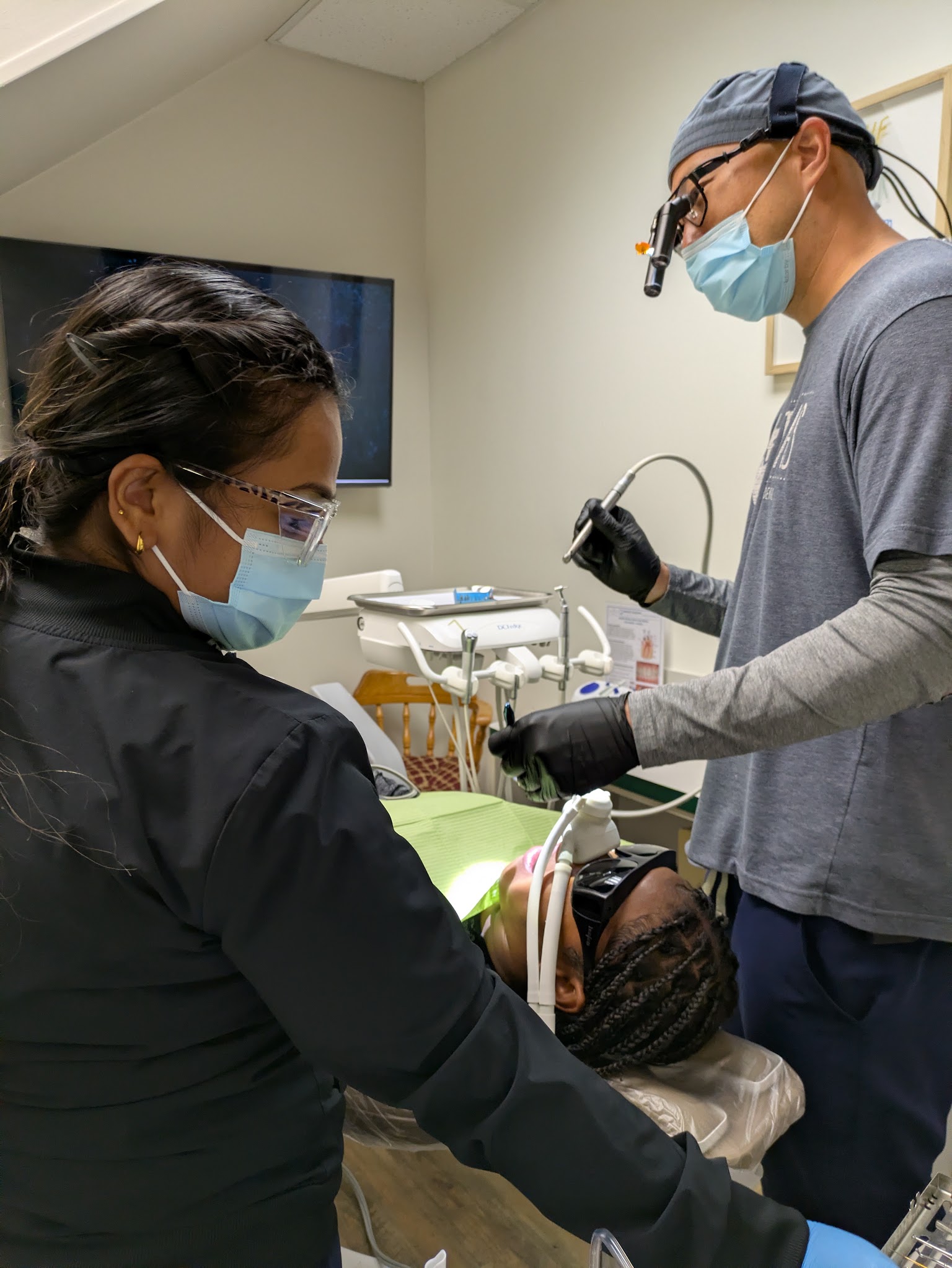
In the ever‑evolving world of dentistry, Invisalign has emerged as a leading choice for those who desire a discreet and comfortable path to a straighter smile. Introduced in 1997 by Align Technology, Invisalign has transformed over 18 million smiles globally. But despite its popularity, one question remains: does Invisalign fix teeth permanently? In this comprehensive guide, we explore how Invisalign works, the biology behind tooth movement, and why a robust retention plan is crucial for ensuring your smile endures for years to come.
What Is Invisalign?
Invisalign is a revolutionary dental system that uses a series of clear, custom‑made aligners fabricated from patented SmartTrack® material. Each aligner is engineered via precise 3D digital scans and proprietary SmartForce® features to apply gentle, controlled forces that guide your teeth into their optimal positions over time. Treatment is fully planned with ClinCheck® software, so you and your provider can preview every stage of your smile transformation before you even begin.
Key Attributes Include:
Discreet Esthetics:
The virtually invisible SmartTrack® trays blend seamlessly with your smile, making Invisalign an ideal choice for image‑conscious teens and adults who want to straighten teeth without the look of metal wires or brackets.
Enhanced Comfort:
Made from BPA‑, latex‑, and gluten‑free SmartTrack® material, Invisalign aligners snugly wrap around your teeth with smooth, rounded edges. Gentle, consistent forces help minimize soreness and reduce soft‑tissue irritation compared to traditional braces.
Removability:
You can take your aligners out to eat, brush, and floss—eliminating the dietary restrictions of fixed braces and simplifying oral hygiene. This freedom helps maintain healthier gums and enamel throughout treatment.
Precision and Predictability:
Advanced 3D modeling and SmartForce® attachments work together to optimize each stage of tooth movement. You swap to a new aligner every one to two weeks, ensuring incremental, accurate adjustments that mirror your digital treatment plan.
Improved Oral Health:
Since aligners are removable, you can brush and floss normally, which significantly reduces plaque buildup, lowers your risk of cavities, and prevents gum inflammation often seen with braces.
Fewer Office Visits:
Thanks to the digital monitoring and refined biomechanics of the Invisalign system, check‑in appointments are typically scheduled every six to eight weeks—fewer than traditional braces—saving you valuable time without compromising treatment quality.
Lifestyle Flexibility:
Whether you’re headed to a special event or simply want to enjoy a favorite meal, you can remove your aligners briefly without derailing your progress. Once you’re done, just pop them back in and continue your journey to a straighter smile.
The Invisalign Treatment Process
Initial Consultation
Comprehensive Exam: Includes X‑rays, photographs, and a digital scan (often using an iTero® scanner) to capture a detailed 3D map of your teeth and bite.
Custom Treatment Plan: Using ClinCheck® software, your dentist devises a series of incremental movements, presenting a virtual animation of your smile’s transformation.
Aligner Fabrication
3D Printing: Each aligner in the series is crafted with precision at Invisalign’s production facility, designed to be worn for 1–2 weeks before progressing to the next.
Fitting & Instruction
Initial Fitting: Your first appointment includes a fit check to ensure comfort and proper seating.
Wear Schedule: Aligners should be worn 20–22 hours per day, removed only for meals and hygiene. Your dentist provides detailed instructions on insertion, removal, and cleaning.
Progress Monitoring
Routine Check‑ups: Every 6–8 weeks, you’ll see your provider to monitor alignment, address any concerns, and receive the next batches of aligners. Adjustments can be made to the plan if tooth movement deviates from predictions.
Completion & Retention
Final Aligner & Refinements: Once your teeth reach their ideal positions, any minor refinements are addressed with additional trays.
Retainer Phase: To lock in results, you transition to wearing Vivera® or custom clear retainers—an essential step for maintaining alignment.
Permanency vs. Retention
While Invisalign can effectively reposition teeth, true permanence hinges on retention and biological factors:
Bone Remodeling: As teeth move, bone tissue is resorbed and deposited around the roots. Stabilization takes several months, during which relapse risk is highest.
Soft‑Tissue Memory: Periodontal ligaments and surrounding muscles “remember” prior positions, exerting forces that can slowly shift teeth back if not counteracted.
External Forces: Habits such as nail‑biting, tongue thrusting, or teeth grinding introduce additional risks for relapse.At Mason Park Dental, we emphasize retention because Permanent results with Invisalign treatment from Dr. Dave Cho and Dr. William Sung rely on disciplined post‑treatment care. By integrating retainers into your nightly routine, we ensure your teeth remain in place long after active treatment ends.
Key Factors for Long‑Term Success
Consistent Retainer Wear
Wearing your retainer exactly as prescribed—typically every night—is the single most important habit for preserving your new smile. Clinical studies have shown that patients who slip their retainers into place nightly maintain alignment far better than those who wear them only a few nights a week. Even small gaps in retainer use can allow teeth to begin shifting back toward their original positions. To build a foolproof routine, consider keeping your retainer case beside your toothbrush or phone, set a nightly alarm on your phone, or integrate retainer wear into another established bedtime ritual.
Type of Retainer
Choosing the right retainer depends on your unique risk factors and lifestyle:
Removable Clear Retainers (e.g., Essix-style): Virtually invisible and easy to clean, these retainers work well for patients with low relapse risk who are diligent about wearing them. They also let you remove them for special occasions or meals—but remember, every hour out of your mouth slightly increases the chance of movement.
Fixed (Bonded) Retainers: A thin wire bonded behind the front teeth offers continuous, invisible support without any conscious effort on your part. Ideal for high-risk cases—such as patients with large spaces, rotated teeth, or a history of relapse—bonded retainers require careful flossing techniques and regular monitoring to ensure they remain intact.
Oral Habit Management
Parafunctional habits like chewing on pens, ice, or fingernails can exert uneven forces that slowly nudge teeth out of alignment. Likewise, resting your chin on your hand or using your front teeth to open packaging can compromise even bonded retainers. Identify any unconscious habits by keeping a short log for a week (e.g., “I chewed my pen five times today”) and then substitute a healthier behavior—such as holding stress balls or using scissors—to break the cycle.
Regular Check‑ups
Scheduling a quick retainer check every six months ensures that small issues don’t turn into major setbacks. During these visits, Dr. Dave Cho will inspect both your teeth and your appliance: he’ll look for wear or cracks in removable retainers, check that bonded wires remain fully adhered, and take new photos or scans to compare against previous records. Early detection means simple adjustments—rather than a full round of refinement—so your smile stays on track with minimal fuss.
Together, these practices form a powerful strategy for keeping your Invisalign results looking their best for years to come. By committing to nightly wear, selecting the ideal retainer type, eliminating harmful habits, and staying on top of check‑ups, you’ll maximize the longevity of your investment and enjoy the confident smile you worked so hard to achieve.
Just as a top playoff team leverages its experienced leaders to secure a critical road win, so too must Invisalign patients harness strategic retention to preserve their victories. In USA Today’s “NBA playoffs Game 1s: Warriors’ savvy veterans steal home court,” Golden State’s seasoned players combined poise, discipline, and teamwork to overcome a hostile environment USA TODAY. Their ability to maintain composure under pressure mirrors the role of nighttime retainer wear, which counteracts the “pressure” of tissue memory and natural drift to keep your smile on track.
Cost and Considerations
Investment Range: Invisalign treatment typically costs between $3,000 and $5,000.
Insurance Coverage: Many dental and dental plans cover a significant portion of clear aligner therapy under dental benefits.
Treatment Duration: Average timelines span 6–18 months, depending on case complexity—comparable to trditional braces.
Case Suitability: While Invisalign treats most mild to moderate alignment issues, severe malocclusions or jaw discrepancies may require braces or surgical adjuncts.Careful case selection and transparent cost discussions ensure patients understand both financial and clinical commitments before embarking on treatment.
Long‑Lasting Outcomes with Strategic Aftercare
Achieving a straight smile is one milestone; making it permanent is the next. By adhering to a tailored retention strategy, you secure Long‑lasting Invisalign outcomes with Dr. Dave Cho and Dr. William Sung, transforming a temporary alignment into a lifelong asset.
Key Takeaways
Invisalign moves teeth effectively, but retention is essential for stability.
Nightly retainer wear is the most critical factor in preventing relapse.
Biological remodeling and soft‑tissue memory influence long‑term alignment.
Both removable and bonded retainers have roles in preserving results.
Ongoing provider check‑ups reinforce Dr. Dave Cho and Dr. William Sung’s long‑term Invisalign results and ensure Invisalign treatment longevity.
FAQs
Will my teeth move back after Invisalign?
Teeth can shift if retainers aren’t worn as prescribed. Consistent retainer use prevents relapse.
How long do I need to wear my retainer after treatment?
Full‑time wear (20+ hours daily) for the first 3–6 months, then nightly use indefinitely for optimal stability.
What are the differences between clear and fixed retainers?
Clear retainers are removable and easy to clean; fixed retainers are bonded to teeth for continuous support—your dentist will guide the best choice.
Can I switch from clear to fixed retention later?
Yes. Treatment plans are adaptable; fixed retainers can be bonded if additional security is needed.
How often should I see my dentist after completing Invisalign?
Biannual visits are recommended to evaluate retainer fit, monitor tooth position, and address any early relapse.
Conclusion
Invisalign revolutionizes the dental experience by offering comfort, discretion, and predictable results. However, “permanent” alignment requires more than the final clear tray—it demands a lifelong commitment to retention and healthy oral habits. With proper retainer use, diligent follow‑ups, and proactive habit management, you can enjoy the confidence of a beautifully straight smile for decades.
Disclaimer: This blog post is intended for informational purposes only and does not substitute for personalized dental advice. Always consult with a qualified dentist to determine the best treatment plan for your individual needs.
Remember: Your smile’s longevity depends on post‑treatment care. Embrace retainers as an integral part of your daily routine to maintain the results you’ve invested in.