
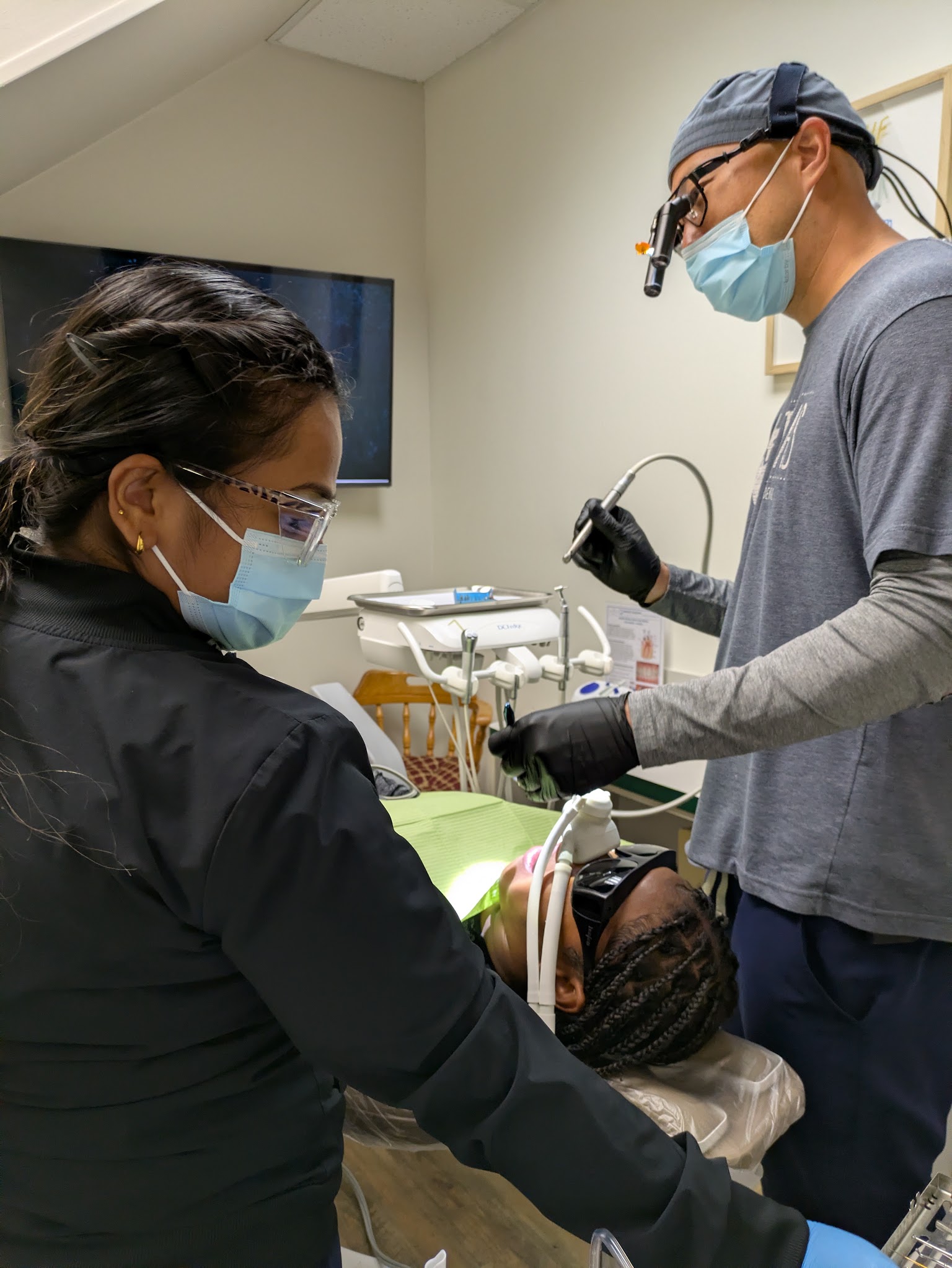
Completing Invisalign treatment is a milestone worth celebrating—but the journey to a lifetime of aligned teeth doesn’t end there. Retainers are essential to keeping your teeth from shifting back to their original positions. This blog explores How long to wear Invisalign retainers with Dr. Dave Cho at Mason Park Dental what affects that timeline, and how to care for your retainers to preserve your investment in your smile.
Why Retainers Matter After Invisalign
Once Invisalign aligners have completed their job, your teeth need reinforcement to stay put. This is because the bone and tissues around your teeth need time to stabilize in their new positions. Without retainers, your teeth may slowly drift, undoing months of progress.
Invisalign retainers with Dr. Dave Cho at Mason Park Dental are designed to be durable, clear, and comfortable—helping you maintain that straight smile without the need for bulky metal.
Phases of Invisalign Retainer Wear
1. Full-Time Wear (First 3–6 Months)
After completing your Invisalign treatment, your smile might look picture-perfect—but your teeth are not yet “set in stone.” During this post-treatment phase, Dr. Dave Cho retainer protocol recommends wearing your retainers for 20 to 22 hours per day, mirroring your final aligner routine. This is a critical stabilization window. Why?
Bone Remodeling: Your teeth have moved into new positions, but the surrounding periodontal ligament and bone need time to adapt. Wearing your retainers full-time provides the gentle, constant pressure necessary for bone regeneration around the roots.
Prevention of Relapse: Teeth naturally want to shift back to their original locations. Full-time retainer wear protects your investment by locking your results in place during this transitional period.
Speech & Comfort: Initially, full-time wear may slightly impact speech or comfort, but most patients adjust quickly, especially since they’re already used to aligners.
Pro Tip from Dr. Dave Cho at Mason Park Dental: Always store your retainers in a ventilated case when not in use and clean them daily using a retainer-safe cleaner to avoid warping or bacterial buildup.
2. Night-Time Wear (After 6 Months to Lifetime)
Once your bone structure and gums have adapted—typically around the 6-month mark—you’ll enter the maintenance phase. Here, Invisalign retainers with Dr. Dave Cho at Mason Park Dental are worn only at night, usually while you sleep.
Long-Term Stability: While your teeth may seem stable, they’re never immune to shifting, especially due to age, genetics, or habits like teeth grinding. Night-time wear ensures your smile stays aligned.
Flexible Routine: Over time, Dr. Dave Cho may advise tapering to 3–5 nights a week. However, this is case-dependent and should never be decided without professional guidance.
Retainer Replacement: Vivera® retainers (Invisalign’s official brand) tend to last longer but should still be replaced every few years depending on wear and hygiene habits.
Ongoing Check-ins: Even during night-time wear, Dr. Dave Cho at Mason Park Dental may schedule periodic check-ins to evaluate retainer fit, comfort, and any signs of tooth movement.
What Influences How Long You’ll Need Retainers
The timeline for wearing Invisalign retainers isn’t one-size-fits-all. Several factors come into play when determining how long you’ll need to maintain retainer use after active treatment ends:
1. Age
Younger patients—particularly teens—may benefit from greater biological adaptability. Since their bones are still growing and more malleable, their teeth may stabilize more quickly in the new position. However, this same flexibility also means their teeth are more prone to shifting if retainers aren’t worn consistently. In contrast, adults may require longer retention because their bones are fully developed and slower to remodel.
2. Dental Complexity
If your original case involved major misalignments, crowding, or bite issues, your teeth are more likely to “remember” their old positions. These complex cases often demand longer retainer use to maintain results. For example, someone who corrected a severe overbite or rotated teeth may need to wear retainers nightly for many years—sometimes indefinitely—to prevent relapse.
3. Compliance
This is one of the most critical factors. Even a perfectly executed Invisalign treatment can fail to deliver lasting results if you don’t wear your retainers as instructed. Skipping a few nights might not seem like a big deal, but even brief lapses can allow your teeth to shift. Poor compliance often leads to extended wear times—or worse, retreatment.
4. Bone Density and Healing
The way your body remodels and stabilizes bone after treatment varies from person to person. Individuals with higher bone density or slower healing may need more time to allow the periodontal ligaments and bone structures to adapt fully to the new alignment. Dr. Dave Cho at Mason Park Dental retainer guidance is tailored to each patient’s biological response, helping minimize unnecessary wear time while maximizing stability.
Caring for Your Retainers
Maintaining your retainers is just as crucial as wearing them consistently. After investing in Invisalign treatment, keeping your retainers in good condition helps preserve your new smile for years to come. Invisalign retainer care with Dr. Dave Cho at Mason Park Dental is designed to be simple, effective, and protective of both your retainers and your oral health. Here’s how to do it right:
1. Rinse After Every Use
Each time you remove your retainers, rinse them under lukewarm water. This helps eliminate saliva, bacteria, and food debris before they harden or stain the aligner. Skipping this step can lead to bad odors and bacterial buildup, which can affect your oral hygiene.
2. Brush Gently—Without Toothpaste
To keep retainers clean, gently brush them using a soft-bristled toothbrush. Avoid using toothpaste—it’s abrasive and can scratch the surface, making the retainers cloudy and more prone to bacteria accumulation. Instead, use mild soap or a retainer-specific cleaning solution recommended by Dr. Dave Cho.
3. Soak Regularly for Deep Cleaning
At least once or twice a week, soak your retainers in a cleaning solution—such as Invisalign Cleaning Crystals or denture tablets. This helps disinfect them and removes any lingering odors or buildup that rinsing can’t handle. Dr. Dave Cho may also suggest professional-grade solutions available through Mason Park Dental.
4. Store in a Ventilated Case
Never wrap your retainers in a napkin or leave them out in the open. Always store them in a ventilated case when not in use. A breathable case prevents moisture buildup, reducing the risk of bacterial growth and unpleasant smells. It also keeps your retainers safe from physical damage or accidental loss.
5. Avoid Heat and Harsh Chemicals
Never clean your retainers with hot water, bleach, or alcohol-based mouthwashes. High temperatures can warp the plastic, while harsh chemicals can degrade the material and irritate your mouth. Stick to cool water and gentle cleansers.
A recent USA Today article explores whether children are “living room kids” or “bedroom kids,” hinting at the broader influence of the environment on habits and development. This concept can be related to Invisalign retainer care with Dr. Dave Cho—just as daily environments shape behavioral patterns, consistent nighttime habits like wearing retainers shape long-term dental outcomes. Creating a “retainer routine” that fits seamlessly into evening habits—especially for teens—helps reinforce long-term commitment to oral health.
FAQs:
Q1. How long do I have to wear my Invisalign retainers each day?
A: Initially 20–22 hours daily for 3–6 months, then usually every night for life.
Q2. Will I ever stop wearing my retainers?
A: Some patients can reduce to a few nights per week after several years, but lifetime retention is often recommended.
Q3. What if my retainer no longer fits?
A: Contact Dr. Dave Cho immediately. This may indicate that your teeth have shifted.
Q4. Are Vivera retainers different from aligners?
A: Yes. Vivera retainers are thicker, more durable, and made specifically for post-treatment retention.
Q5. Can I use mouthwash to clean my retainers?
A: It’s not recommended. Alcohol in mouthwash can damage the material. Stick to mild soap and cool water.
Key Takeaways
Dr. Dave Cho retainer wear time begins with full-day wear, followed by nightly retention.
Wearing your retainers consistently is critical to preserving your Invisalign results.
Invisalign retainers are easy to care for but must be maintained with the right hygiene.
Habits—much like family dynamics—shape outcomes. Build a retainer routine into your lifestyle.
Always consult your provider if there are any changes in fit or comfort.
—————————————————————————————————————————————————————-
Remember: Retainers are not an optional accessory—they’re the final chapter in your smile story. Think of them as your long-term smile insurance. For long-lasting results, follow Dr. Dave Cho’s retainer guidance precisely.
Disclaimer: This blog is intended for informational purposes only. Please consult directly with Dr. Dave Cho or your local dentist for personalized advice about your Invisalign retainer care and wear schedule.