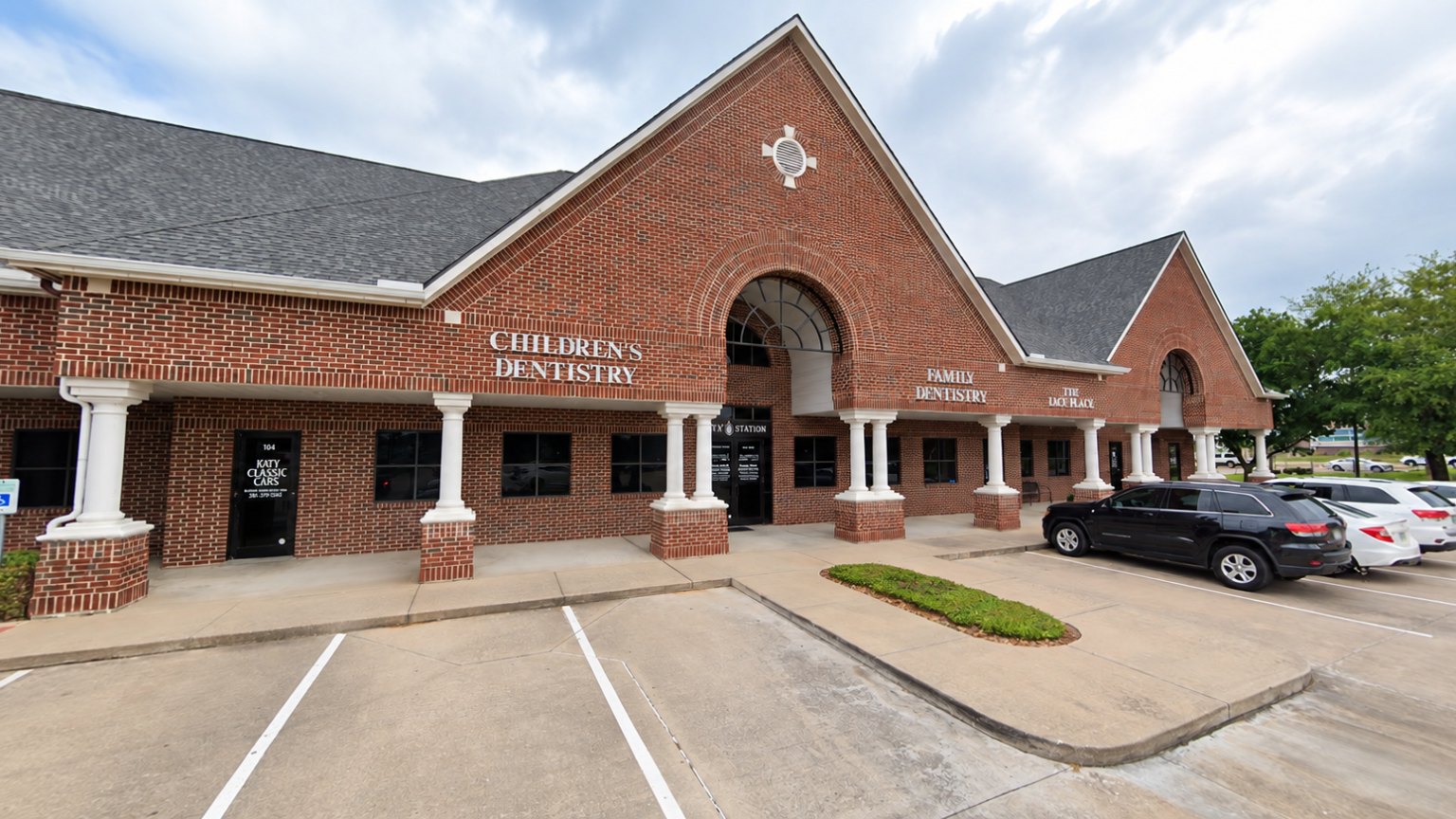
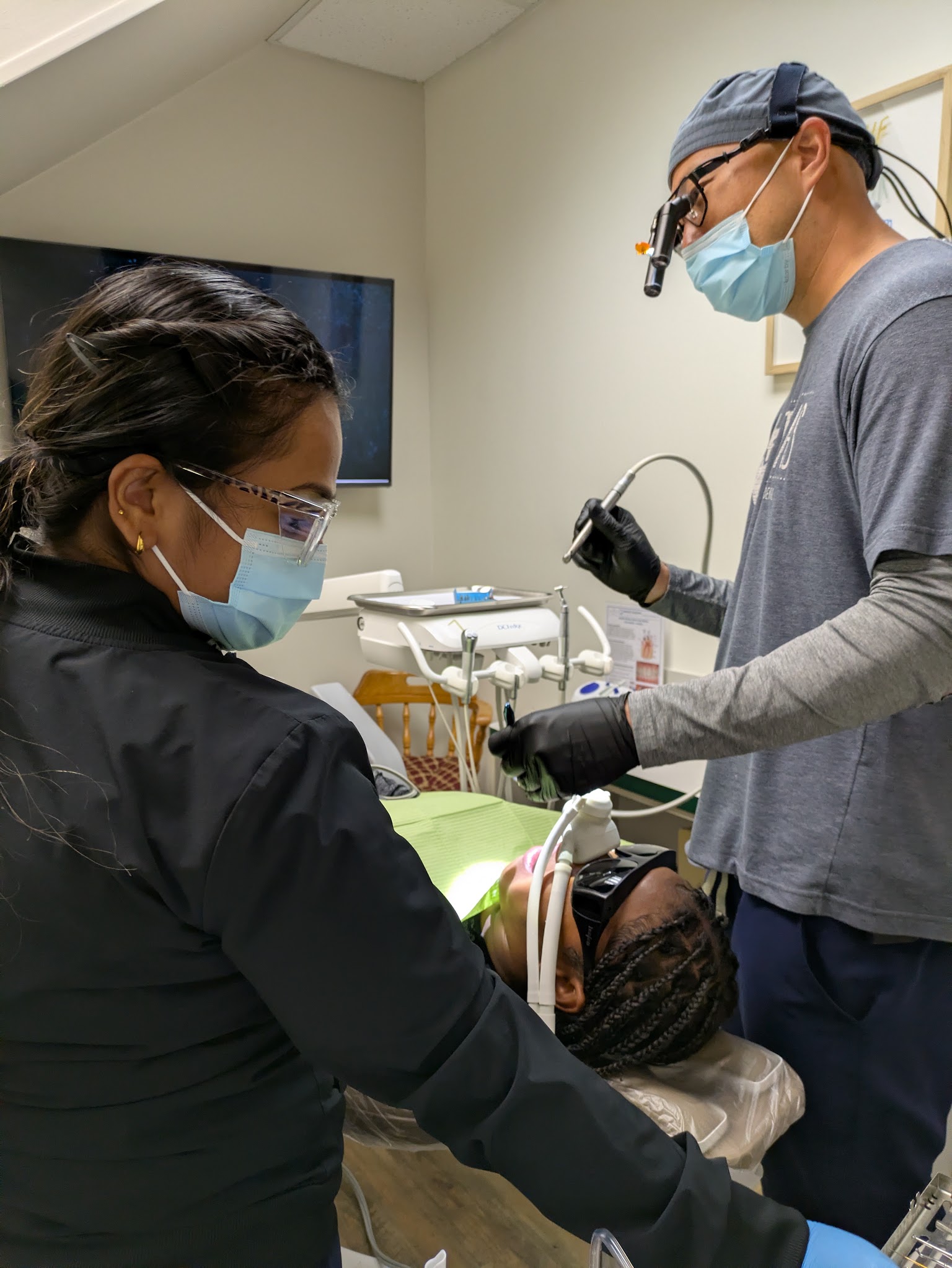
Undergoing dental implant surgery can feel like a big step, but with the right guidance, you can face the process with confidence. This guide covers everything from Dental implant surgery preparation with Dr. Dave Cho at Mason Park Dental to what to expect on the day of your procedure. By following these Dr. Dave Cho tips for dental implant surgery, you’ll be well on your way to a smooth experience and lasting results.
What Is Dental Implant Surgery?
Dental implants are titanium posts surgically placed into the jawbone to replace missing tooth roots. Once healed, they serve as a stable foundation for crowns, bridges, or dentures. This process not only restores function and appearance but also preserves bone health and facial structure.
Why Proper Preparation Matters
Minimizing Complications
Thorough pre-op assessment—via digital imaging, health history review, and precise surgical guides—lets your dentist spot risk factors early (e.g., existing infections, bone deficiencies, or sinus proximity). By addressing these issues in advance (prescribing antibiotics, augmenting bone, or selecting the optimal implant size), you drastically lower the chance of post-surgical infections, implant failure, or soft-tissue problems. In short, a proactive approach keeps surprises at bay and safeguards your long-term oral health.
Optimizing Bone Integration
Successful implants rely on osseointegration: the fusion of implant to bone. Comprehensive planning ensures that implant placement aligns perfectly with your jaw’s anatomy—maximizing contact with healthy bone and reducing micromovement that can hinder healing. Pre-surgical measures such as bone grafting or ridge expansion (when needed) create a robust foundation, so your new tooth anchors firmly and functions like the real thing.
Reducing Discomfort
Anticipating potential sources of pain or swelling allows for targeted strategies to keep you comfortable. By mapping nerve pathways ahead of time, your dentist can choose a gentle surgical route that avoids sensitive areas. Pre-emptive pain management—like tailored anesthetic protocols and post-op prescriptions—means fewer “ouch” moments and a speedier, more pleasant recovery. When you know what to expect, you can breathe easy, focus on healing, and get back to life faster.
Preparing for Dental Implants with Dr. Dave Cho in Katy, TX at Mason Park Dental
1. Comprehensive Consultation
Medical History Review: Disclose any conditions (e.g., diabetes, heart disease) and medications that could impact healing.
Imaging & Scans: Panoramic X-rays and 3D CBCT scans assess bone quality and quantity.
Treatment Planning: With digital planning software, we determine the ideal implant position for optimal esthetics and function.
2. Pre-Surgical Health Optimization
Oral Hygiene: A professional cleaning within two weeks of surgery reduces bacterial load.
Smoking Cessation: Even light smoking can impair healing; ideally, stop at least one month before surgery.
Nutrition & Hydration: A balanced diet rich in protein and vitamins A & C supports tissue repair.
3. Medication & Supplements
Antibiotics: May be prescribed pre-op to lower infection risk.
Over-the-Counter Pain Management: Stock up on ibuprofen or acetaminophen to manage discomfort.
Supplements: Vitamin D and calcium can be beneficial if you have low bone density (consult your physician first).
4. Day-Of Logistics
Fasting Instructions: If sedation is planned, avoid eating or drinking 6–8 hours prior.
Transportation: Arrange a ride home if you’ll receive IV sedation or general anesthesia.
Comfort Items: Loose clothing, a neck pillow, and a playlist can make your visit more relaxing.
The Surgical Day: What to Expect
Arrival & Preparation
As soon as you check in, our team at Mason Park Dental will welcome you to a private treatment suite. You’ll fill out any last-minute health updates, and we’ll review your personalized surgical plan one more time. If you’ve opted for nitrous (“laughing gas”) or IV sedation, we’ll place a small catheter or nasal mask—then let you relax while we get you ready. Meanwhile, sterile draping and gentle antiseptic rinses set the stage for a safe procedure.
Local Anesthesia & Sedation
Once you’re settled, we administer a local anesthetic around the surgical site so you won’t feel pain. If you choose sedation, your anesthetist will monitor your comfort level and vital signs throughout. Whether you’re drowsy or simply at ease, you remain conscious and breathing on your own, with the entire team watching over you.
Implant Placement
With your jaw numb and you feeling peaceful, your dentist gently creates a small opening through the gum into the bone. Using 3D-guided precision, the titanium implant post is seated at exactly the planned depth and angle. If your bone needs reinforcement, a bone graft material is placed around the implant before closure, ensuring a strong foundation for long-term success.
Temporary Restoration
If immediate esthetics are part of your plan, a provisional crown or bridge is affixed to the implant (or an adjacent tooth) so you leave with a natural look. This temporary piece protects the site, maintains spacing, and lets you smile confidently while full healing takes place.
Immediate Aftercare
As the procedure wraps up, we place sterile gauze over the area to manage bleeding—changing it periodically until minimal oozing stops. Your clinician will walk you through post-op care: how to clean gently, what foods to avoid, and which medications to take (orals for pain and antibiotics if indicated). Before you head home, we’ll confirm your follow-up schedule and ensure you have direct contact in case any questions pop up.
Post-Op Care Essentials at Mason Park Dental
Rest & Elevation
Keeping your head elevated for the first 48 hours helps drain fluid away from the surgical area, reducing swelling and throbbing. Prop yourself up with two pillows (or recline in a zero-gravity chair), especially while sleeping or napping. Avoid bending over or heavy lifting—these activities can increase blood pressure in your head and worsen swelling or bleeding.
Ice Packs
Cold therapy is one of the easiest and most effective ways to control swelling and discomfort after surgery. Apply an ice pack (or a bag of frozen peas wrapped in a thin towel) against the side of your face for 15 minutes on, then 15 minutes off, during the first 24 hours. After that, switch to warm compresses if needed to soothe any lingering stiffness.
Diet
Your body needs nutrition to heal, but chewing directly on the surgical site can irritate or dislodge the clot. For about seven days, focus on soft, cool, and nutrient-dense foods:
- Breakfast: Smoothies, Greek yogurt, oatmeal (cooled to lukewarm)
- Lunch/Dinner: Mashed potatoes, pureed soups, scrambled eggs
- Snacks: Applesauce, pudding, protein shakes
Avoid spicy, crunchy, or hot foods that could inflame the tissues or get stuck in the socket.
Oral Hygiene
Protect the surgical site while keeping bacteria at bay:
First 24 hours: Avoid any rinsing or spitting.
Days 2–5: Gently swish lukewarm saline (½ tsp salt in 8 oz water) or the prescribed antimicrobial rinse after meals.
After Day 5: You may brush nearby teeth carefully with a soft-bristle brush, but continue to steer clear of the extraction/implant area until your clinician gives the all-clear.
Medication Adherence
Antibiotics and pain relievers are prescribed to prevent infection and manage discomfort—but only work if taken exactly as directed.
Antibiotics: Finish the entire course, even if you feel fine after a few doses.
Pain Meds: Take them on schedule (rather than waiting for pain to spike), and use nonsteroidal anti-inflammatories (e.g., ibuprofen) unless contraindicated.
Notes: Avoid aspirin (it can thin your blood), and check before mixing any over-the-counter meds with your prescription.
Long-Term Success Factors
Regular Check-ups: Follow-up visits at 1 week, 1 month, and 3 months to monitor integration.
Avoid Chewing Hard Foods: Give your implant time to integrate fully before testing its strength.
Night Guards: If you grind your teeth, a custom guard prevents undue stress on the implant.
Key Takeaways
Thorough Planning Pays Off: Detailed scans and treatment plans set the stage for success.
Health Optimization Is Crucial: Good nutrition, hygiene, and smoking cessation enhance healing.
Strict Adherence Matters: Just like airline regulations prevent chaos, following post-op rules ensures stability.
Comfort & Safety: Proper sedation, medication, and rest reduce discomfort and complications.
Ongoing Care: Regular visits and protective measures maintain your new smile for life.
FAQs
1.What is the average recovery time after implant surgery?
Most patients resume normal activities within 48–72 hours; full osseointegration takes 3–6 months.
2.Can I eat normally right after surgery?
No—stick to soft foods (e.g., mashed potatoes, smoothies) for the first week to avoid disturbing the surgical site.
3.How much does implant surgery cost?
Costs vary by case complexity but generally range from $2,500 to $4,500 per implant, including restoration.
4.Are dental implants safe for people with medical conditions?
Implants are safe for most patients; however, conditions like uncontrolled diabetes require careful planning and monitoring.
5.What happens if I grind my teeth?
We recommend a custom night guard to protect both natural teeth and implants from excessive forces.
—————————————————————————————————————————————————————-
Disclaimer: This blog provides general information and is not a substitute for personalized dental advice. Always consult with Dr. Dave Cho or another qualified dental professional regarding your specific needs.
Remember: Successful preparing for dental implants with Dr. Dave Cho in Katy, TX hinges on careful preparation, strict adherence to instructions, and ongoing maintenance. By following these guidelines and leveraging Dr. Dave Cho tips for dental implant surgery, you ensure a smoother journey toward a healthy, confident smile.