
A Clearer Path to a Confident Smile
For years, straightening your teeth came with a price: wires, brackets, constant adjustments, and a smile that shouted “I’m in braces.” Many people put off treatment for that very reason. Then Invisalign arrived, quietly rewriting the rules.
Today, over 18 million people worldwide have chosen clear aligners instead of traditional braces. Teenagers, parents, professionals, even grandparents – all finding that the journey to a straighter smile doesn’t have to mean hiding your teeth along the way.
This blog takes you deep into the Invisalign experience – the process, the benefits, the practical realities, and the considerations worth thinking about before you start.
What Makes Invisalign Different?
Imagine slipping something onto your teeth that feels like a thin contact lens instead of a bulky appliance. That’s what Invisalign aligners are like.
Each set of aligners is made from SmartTrack plastic, designed to gently guide your teeth into new positions. They’re nearly invisible and smooth against your cheeks and gums. You wear them all day and night – about 20–22 hours – but take them out whenever you eat or brush.
The beauty of Invisalign is that it blends into your lifestyle instead of forcing you to change it. Want popcorn at the movies? Go ahead. Business lunch? Pop them out for an hour. Family photos? Nobody will know you’re mid-treatment.
What to expect from removable aligners by Dr. Dave Cho
The Invisalign Journey: Step by Step – adjusting to aligners during the first week with Dr. Dave Cho
While every patient’s story is unique, here’s how the process unfolds from start to finish at Mason Park Dental.
Step 1: The First Consultation
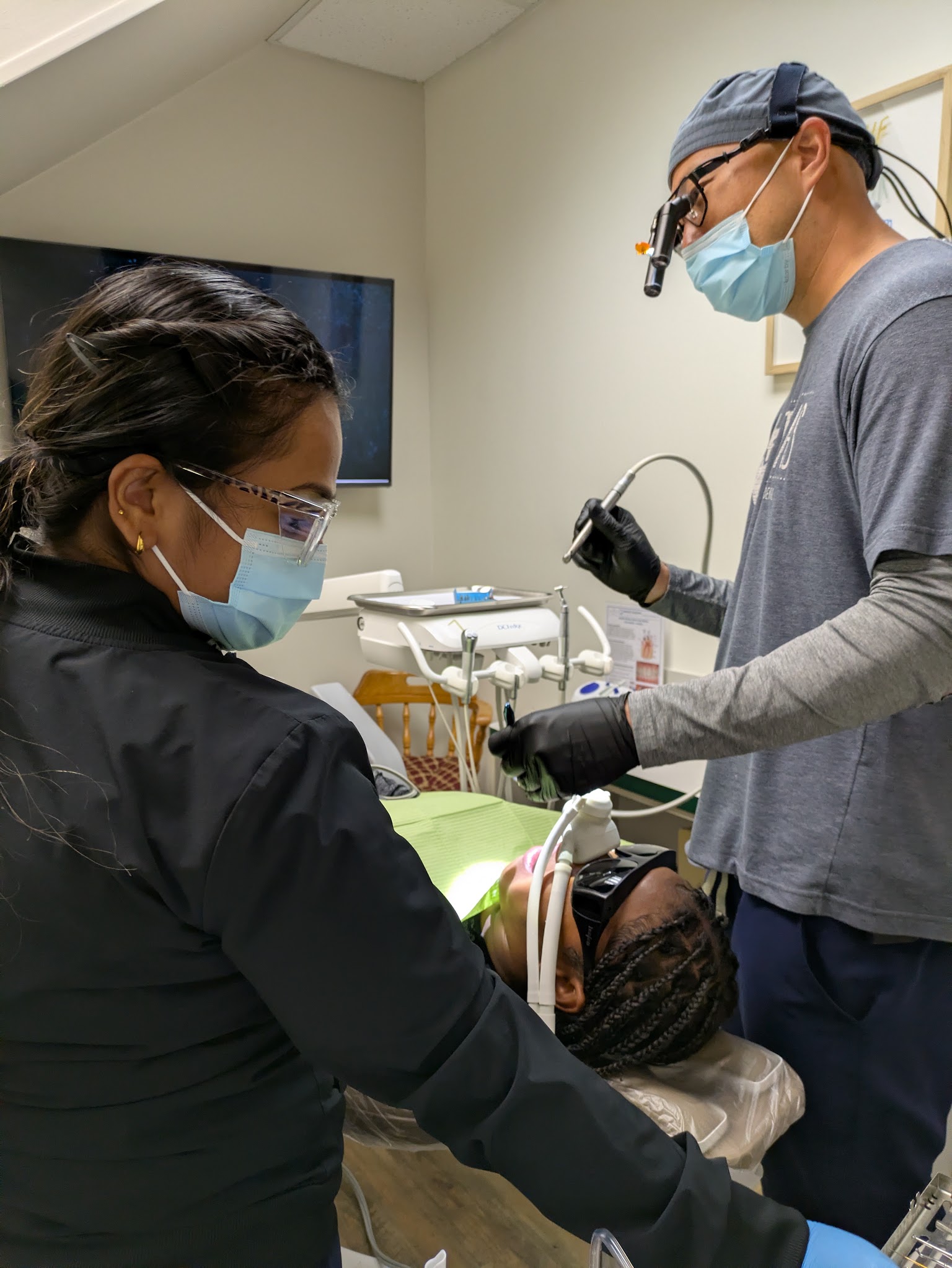
Your Invisalign story begins in a dental chair, but not in the way you might expect. Instead of a long exam full of molds and wires, your provider uses advanced imaging to scan your teeth. The latest element scanner creates a 3D map of your smile in minutes.
Then comes the part everyone loves: the preview. Using ClinCheck software, you’ll see a virtual simulation of how your teeth will move – and what they’ll look like at the end. Patients often say this is the moment their decision becomes real.
“When I saw my future smile on the screen, I felt like I couldn’t start fast enough,” recalls one patient.
Step 2: Designing Your Aligners
That scan becomes the blueprint for your aligners. Invisalign’s lab produces a series of trays, each set slightly different, nudging your teeth closer to the finish line. Instead of one dramatic shift, Invisalign works through dozens of tiny, precise movements.
Step 3: First Fitting
Your first set of aligners may feel snug. That’s a good sign. It means the trays are actively working. Your dentist will check the fit and explain how to wear, clean, and store them.
You’ll be asked to commit to wearing them at least 20 hours daily. Many people find it becomes second nature after a week or two.
Step 4: Regular Check-ins
Every 6–8 weeks, you’ll come in for a quick review. These visits are shorter than traditional braces appointments. Usually, you’ll just collect your next sets of aligners and check progress. If something needs adjusting, your provider can refine the plan.
Step 5: Completion & Retainers
Once you’ve worked through all your trays, you’ll graduate to retainers. Invisalign’s modern retainers are stronger than most, designed to keep your teeth locked in their new positions. Skipping this step risks undoing months of progress.
Everyday Life With Invisalign
What’s it actually like day to day? Here’s the honest picture at Mason Park Dental.
Speech: Some people notice a mild lisp for a few days. Your tongue quickly adapts.
Cleaning: Aligners need daily rinsing and brushing to avoid bacterial buildup. Think of them like an extension of your oral hygiene routine.
Discipline: Forgetting to wear them slows progress. A rule of thumb: if they’re not in your mouth, they’re in their case.
Patients often say that after a month, the routine feels natural.
The Benefits Patients Talk About Most
While the near-invisibility gets most of the attention, the real perks go beyond appearance.
Confidence – Adults love that Invisalign doesn’t interfere with social or professional interactions. You can lead meetings, go on dates, or attend events without the self-consciousness braces bring.
Comfort – No brackets scraping your cheeks, no emergency visits for broken wires. Aligners feel smooth and cause only mild pressure as teeth shift.
Flexibility – Big presentation coming up? Wedding photos? You can remove aligners briefly. Braces don’t give you that option.
Healthier Mouth – Since you brush and floss normally, your risk of gum problems and cavities is lower compared to braces.
Predictability – With digital planning, you know what your smile will look like before you begin. That “before-and-after” preview motivates many patients to stay consistent.
What You Should Consider Before Starting
Invisalign isn’t perfect for everyone. Here are factors worth weighing at Mason Park Dental:
Cost – Treatment usually ranges between $3,000–$5,000. Insurance may cover part, and many offices offer payment plans.
Discipline Required – Unlike braces, aligners only work if you wear them as directed. Skipping hours can delay results.
Complexity of Case – Invisalign handles most mild-to-moderate issues, but very complex bite problems may still need traditional treatment.
Maintenance – Aligners need daily care to stay clear. Neglect them, and they can stain or smell.
Removable aligner pressure and comfort explained by Dr. Dave Cho
Invisalign vs. Braces: A Closer Look
Think of Invisalign and braces as two different roads to the same destination. Which one you take depends on your needs and lifestyle at Mason Park Dental.
Visibility – Aligners are nearly invisible; braces are very noticeable.
Food – Invisalign lets you eat anything; braces restrict sticky, hard, or chewy foods.
Comfort – Aligners are smooth; braces can cause soreness from wires.
Care – Invisalign requires responsibility; braces are fixed and don’t depend on compliance.
Timeline – Both take 12–24 months on average, though Invisalign can be slightly faster for straightforward cases.
The Future of Invisalign
Clear aligner comfort in the first week with Dr. Dave Cho – Clear aligners keep evolving. Here’s what’s next:
Better Materials – Invisalign’s SmartTrack material has evolved over the years, with each generation designed to be more efficient and comfortable than the last. The latest aligners apply gentler yet more consistent pressure, helping teeth move more predictably while minimizing discomfort. Patients often notice that the aligners feel smoother and fit more snugly, making daily wear much easier.
Smarter Digital Tools – Advanced 3D scanners, now capture incredibly detailed digital impressions of a patient’s mouth. This enhanced precision allows dentists to design aligners that are highly customized for each tooth movement, reducing the margin of error and improving treatment outcomes. The result is not only a more accurate fit but also a clearer vision of the final smile before treatment even begins.
Apps & Tracking – With tools like the My Invisalign app, patients can stay engaged throughout their journey. The app allows them to log daily wear time, receive reminders to switch aligners, and monitor progress with easy-to-read visuals. Some platforms even let patients share updates directly with their dentist, ensuring accountability and better communication. These features keep patients motivated and help them stick to their treatment plan, ultimately leading to faster and more reliable results.
The future points toward faster, more comfortable treatments with even greater accuracy.
The Bigger Picture: Beyond Just Straight Teeth
Straightening teeth isn’t only about looks. Misaligned teeth can cause uneven wear, difficulty cleaning, and even jaw pain. By correcting these issues, Invisalign often improves long-term oral health.
Confidence also plays a huge role. Many patients describe smiling more, speaking up in social settings, or feeling comfortable in photos again. It’s not vanity – it’s quality of life.
Key Takeaways
Invisalign uses clear trays to gently shift teeth.
Treatment time: usually 6–18 months.
Best for mild-to-moderate alignment issues.
Requires discipline: 20–22 hours daily wear.
Benefits: comfort, invisibility, flexibility, healthier oral care.
Cost: typically $3,000–$5,000.
Conclusion
Invisalign has redefined what it means to straighten teeth. It’s discreet, comfortable, and designed to fit into real life. For many, it’s the difference between postponing treatment forever and finally making it happen.
But the key is consistency. Invisalign works best when you wear it faithfully and follow your provider’s guidance.
So if you’ve been considering it, start with a consultation. See your future smile in 3D. Ask questions. Weigh the commitment. And then decide if this path makes sense for you.
Because at the end of the day, Invisalign isn’t just about straighter teeth. It’s about freedom, confidence, and the joy of seeing the best version of your smile staring back at you in the mirror.
—————————————————————————————————————————————————
Disclaimer:This blog provides general information and should not replace professional dental advice. Always consult a certified provider for recommendations tailored to your needs.
Remember: The first week with Invisalign may bring mild pressure and slight speech changes, but these are signs the aligners are working. Consistency in wear quickly makes them part of your daily routine.