As you prepare for your new patient dental exam at Mason Park Dental, you may wonder what to expect during your initial visit with Dr. Dave Cho and Dr. William Sung. A comprehensive dental exam is necessary to establish a healthy smile, and it’s crucial to understand what our experienced dentists will be looking for. From hidden signs of tooth decay to subtle indicators of gum disease, our team will meticulously assess your oral health to identify any potential issues.
In this article, we’ll explore the most common findings during a new patient dental exam Katy, TX so that you can feel informed and confident about your care.
What to Expect During a New Patient Dental Exam in Katy, TX
Before your new patient dental exam, you may wonder what to expect during your visit. Rest assured, our experienced dentists, Dr. Dave Cho and Dr. William Sung, will guide you through a thorough and comfortable examination process.
Comprehensive Examination
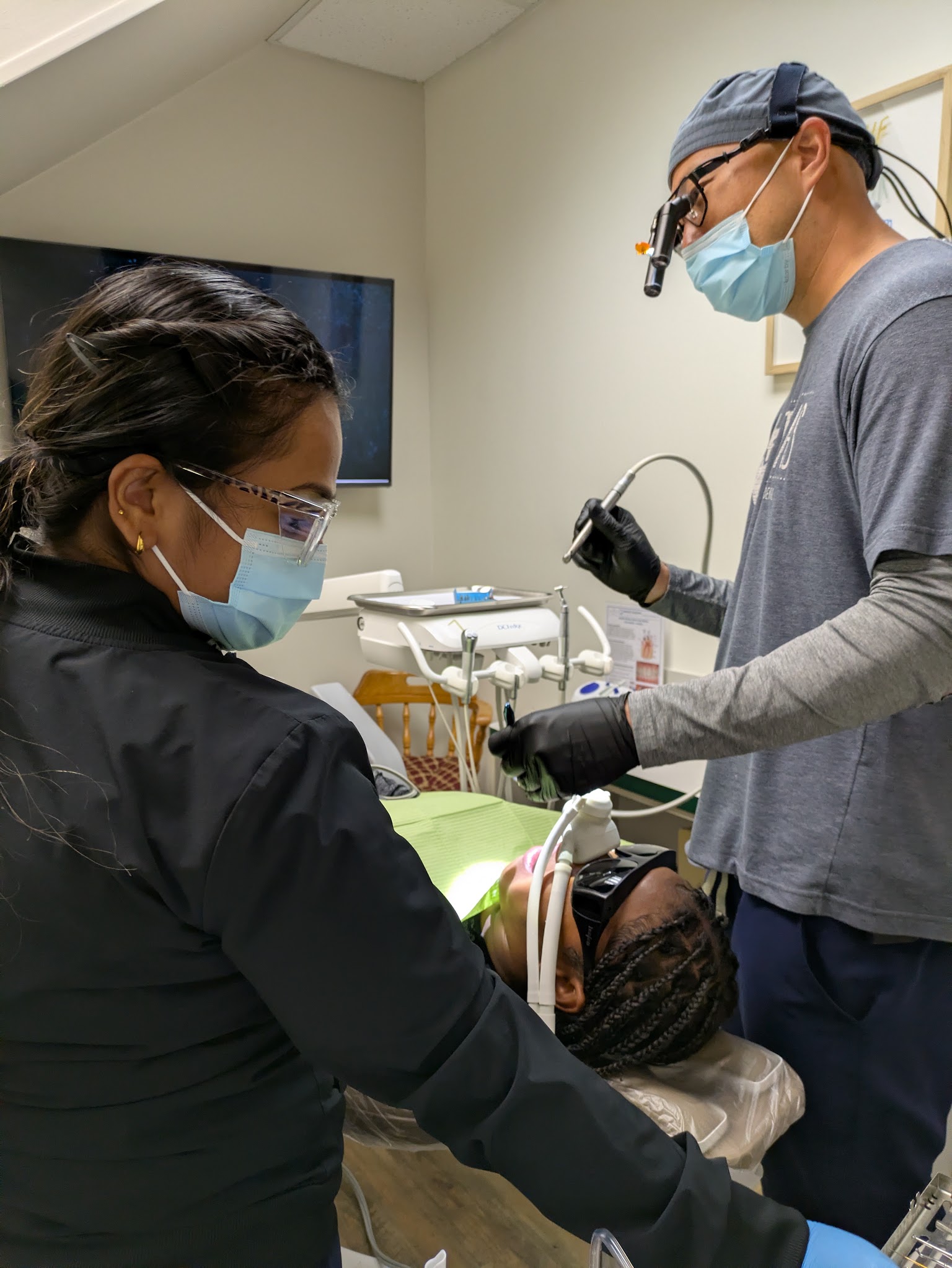
Any thorough dental exam begins with a comprehensive examination of your teeth, gums, and oral health. Our dentists will visually inspect your teeth, checking for signs of decay, cracks, or other damage during this process. They will also examine your gums, looking for signs of periodontal disease or other issues.
Review of Medical and Dental History
It’s imperative to review your medical and dental history to comprehensively understand your oral health. Our dentists will ask you questions about your overall health, including any medical conditions or medications you’re taking, and your dental history, including any previous treatments or concerns.
Another crucial aspect of reviewing your medical and dental history is identifying potential risk factors that may impact your oral health. Certain medical conditions, such as diabetes or heart disease, can increase your risk of developing oral health issues. By understanding your medical and dental history, our dentists can provide personalized recommendations and treatment plans tailored to your needs.
Visual Examination and Charting
Some of the most critical aspects of a new patient dental exam involve a thorough visual examination and charting of teeth and gums.
Examination of Teeth and Gums
Any signs of wear, cracks, or damage to your teeth will be carefully noted during this part of the exam. Your gums will also be examined for signs of recession, inflammation, or other issues indicating periodontal disease.
Checking for Signs of Tooth Decay and Cracks
For a comprehensive understanding of your oral health, your dentist, Dr. Dave Cho and Dr. William Sung, will carefully inspect each tooth for signs of decay, cracks, or other damage.
Examination of your teeth involves more than just a visual inspection. Your dentist may use tools like a dental explorer or X-rays to detect even the smallest signs of tooth decay or cracks. This ensures that potential issues are identified and addressed before becoming more serious.
Evaluation of Bite and Jaw Alignment
Teeth that don’t fit together properly can lead to various issues, from jaw pain to uneven wear on your teeth. During this part of the exam, your dentist will evaluate the alignment of your bite to identify any potential issues.
Evaluating your bite and jaw alignment involves thoroughly examining how your upper and lower teeth come together. Your dentist will check for signs of misalignment, such as uneven wear patterns or teeth that don’t fit together properly, to identify any potential issues that may need to be addressed.
Diagnostic Tests and Imaging
For a comprehensive understanding of your oral health, diagnostic tests and imaging play a crucial role in your new patient dental exam.
X-Rays and Digital Radiography
On average, dentists take two to four X-rays during a new patient exam to get a clear picture of your teeth and surrounding bone structure. At Mason Park Dental, our team uses digital radiography, which reduces radiation exposure by up to 90% compared to traditional X-rays.
Intraoral Camera Examination
Examination with an intraoral camera allows Dr. Dave Cho and Dr. William Sung to visualize the inside of your mouth in real-time, capturing detailed images of your teeth and gums.
The high-resolution images taken by the intraoral camera enable our dentists to identify any signs of tooth decay, cracks, or other oral health issues that may not be visible to the naked eye. This advanced technology also helps you better understand your oral health, making it easier to make informed decisions about your care.
Periodontal Probing and Charting
Imaging is not limited to X-rays; periodontal probing and charting provide a detailed picture of your gum health. This diagnostic test measures the depth of the spaces between your teeth and gums, helping our dentists identify any signs of periodontal disease.
For instance, if you have a pocket depth of 4 mm or more, it may indicate the presence of periodontal disease. By catching these issues early, Dr. Dave Cho and Dr. William Sung can develop a personalized treatment plan to prevent further damage and promote healthy gums.
Oral Cancer Screening and TMJ Evaluation
A comprehensive new patient dental exam includes an oral cancer screening and TMJ evaluation to ensure overall oral health.
Visual Inspection of the Mouth and Throat
The dentist will perform a thorough visual examination of your mouth and throat, looking for any signs of abnormal cell changes or lesions that could indicate oral cancer.
Palpation of the Jaw and Facial Muscles
Throat and facial muscles will be palpated to check for tenderness or pain, which can indicate TMJ disorders or other issues.
Evaluating your jaw function and facial muscles is crucial in identifying potential problems with your temporomandibular joint (TMJ). Dr. Dave Cho and Dr. William Sung, experienced dentists, will assess your jaw movement, checking for any clicking, popping, or locking sensations and tenderness in the jaw and facial muscles. This evaluation helps identify potential issues that may be causing discomfort or pain or affecting your oral health.
Gum Disease Evaluation and Risk Assessment
Gum disease can still occur despite your best efforts to maintain good oral hygiene. During your new patient dental exam , Dr. Dave Cho and Dr. William Sung will perform a thorough evaluation to assess your gum disease risk and identify potential issues.
Periodontal Probing and Measurement
Assessment of your gum health begins with periodontal probing, which involves measuring the depth of the spaces between your teeth and gums. This helps our dentists identify signs of inflammation or infection, such as bleeding or pocketing.
Assessment of Gum Recession and Bone Loss
Bone loss and gum recession are common consequences of untreated gum disease. Our dentists will examine your teeth and gums for signs of recession, such as exposed roots or uneven gum lines.
This assessment is crucial in determining the extent of any bone loss, which can affect the stability of your teeth and overall oral health. By identifying these issues early on, Dr. Dave Cho and Dr. William Sung can develop an effective treatment plan to prevent further damage and promote healthy gums and teeth.
Summing up
Considering these considerations, you can feel more confident and prepared for your new patient dental exam in TX. By understanding what to expect during your comprehensive dental exam, you can take charge of your oral health and make informed decisions about your care. Dr. Dave Cho and Dr. William Sung are dedicated to providing personalized attention and top-notch care to ensure you receive the best possible experience. So, take the first step towards a healthier, happier smile by scheduling your appointment today!
Key Takeaways:
X-rays and Imaging: Our dentists may take X-rays or use other imaging technologies to examine your teeth and surrounding tissues, helping to detect hidden problems such as cavities, abscesses, or bone loss.
Tooth Decay and Cavities: We will inspect your teeth for signs of tooth decay, cracks, or weakened enamel and recommend appropriate treatments such as fillings, crowns, or root canals if necessary.
Gum Disease and Gingivitis: Our team will evaluate the health of your gums, check for signs of gingivitis or periodontal disease, and provide guidance on proper oral hygiene and treatment options if needed.
Oral Cancer Screening: As part of your Comprehensive Dental Exam, we will perform an oral cancer screening to detect abnormal cells or lesions in your mouth, tongue, or lips.
Dental Work and Restorations: Our dentists will examine your existing dental work, such as fillings, crowns, or bridges, and recommend repairs or replacements to ensure optimal oral health and function.
FAQ
Q: What can I expect during my new patient dental exam?
A: During your comprehensive dental exam for new patients, our experienced dentists, Dr. Dave Cho and Dr. William Sung, will thoroughly examine your teeth, gums, and overall oral health. They will review your medical and dental history, discuss any concerns or symptoms you may be experiencing, and conduct a visual examination of your teeth and gums. They may also take X-rays or other diagnostic images to identify potential issues.
Q: What are some common findings during a new patient dental exam in Katy, TX?
A: During a new patient dental check-up, our dentists may identify a range of issues, including tooth decay, gum disease, cracks in teeth, worn fillings, or signs of teeth grinding or clenching. They may also detect oral health issues such as dry mouth, acid erosion, or signs of oral cancer. Sometimes, they may also identify cosmetic concerns such as tooth discoloration, misalignment, or gaps between teeth.
Q: Will my new patient dental exam include a cleaning?
A: Depending on the findings during your comprehensive dental exam for new patients, our dentists may recommend a cleaning as part of your initial visit. This may include a routine cleaning to remove plaque and tartar or a deeper cleaning to treat gum disease. Our dentists will discuss their recommendations with you and answer any questions you may have.
Q: How long does a new patient dental exam typically take?
A: The length of a new patient dental exam can vary depending on the complexity of your case and the number of X-rays or other diagnostic images needed. On average, a comprehensive dental exam for new patients can take 60-90 minutes. Our friendly staff will be happy to answer any questions and ensure you feel comfortable throughout your visit.
Q: Is a new patient’s dental exam expensive?
A: We believe that quality dental care should be affordable and accessible. We offer competitive pricing for our new patient dental exams, and our staff will be happy to discuss financing options and insurance coverage with you. We also offer special promotions and discounts for new patients. Be sure to ask about our current offers when you schedule your appointment.