
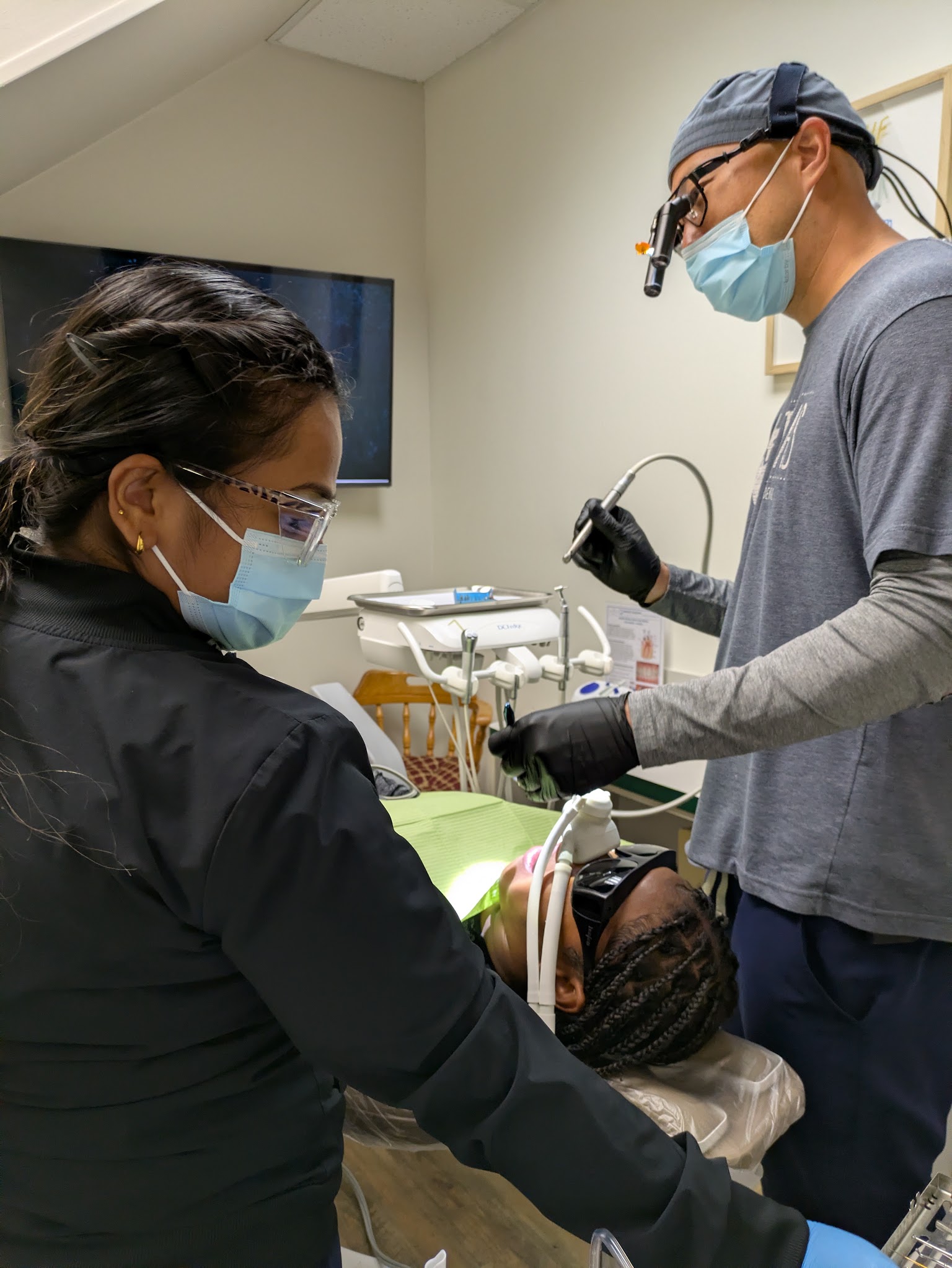
Single tooth implants have become a leading solution for those seeking effective and long-lasting tooth replacement options. Individuals looking to restore their smiles can benefit from the expertise of Dr. Dave Cho and Dr. William Sung at Mason Park Dental, who provides top-quality dental implants. Understanding the success rates of single tooth implants is crucial for anyone considering this procedure, as it can significantly impact their decision-making process.
This informative blog will explore the factors influencing implant success, the advantages of dental implants, and why they are considered one of the best single tooth replacement options available today. Whether you are considering this option for its affordability or effectiveness, this piece will equip you with the knowledge needed to make an informed choice.
Understanding Single Tooth Implants
A single tooth implant is a dental procedure to replace one missing tooth. It involves surgically placing a titanium post into the jawbone, which acts as a root for the artificial tooth. Over time, the titanium post fuses with the jawbone in osseointegration, providing a stable foundation for the attached dental crown.
The crown is custom-made to match the color, shape, and size of your natural teeth, ensuring a seamless appearance. Dental implants are known for their high success rates and precise craftsmanship. This makes single tooth implants one of the best single tooth replacement options available today. Not only do they offer a durable solution, but they also help maintain the health of the surrounding teeth and jawbone.
Benefits Over Traditional Options
Single tooth implants offer several advantages over traditional tooth replacement options like bridges and dentures. Firstly, dental implants provide a more permanent solution. Unlike bridges, which may require replacement over time, implants are designed to last many years with proper care. Additionally, implants do not rely on adjacent teeth for support, preserving the natural tooth structure and health. This is a significant benefit compared to bridges, which require the grinding down neighboring teeth.
Furthermore, implants help maintain jawbone density. When a tooth is missing, the jawbone can deteriorate over time. The titanium post in an implant stimulates the bone, preventing this deterioration. Dental implants are renowned for their durability and esthetic appeal, making them one of the best single tooth replacement options. Finally, implants offer superior comfort and functionality, closely mimicking the feel and function of a natural tooth.
Who Is a Good Candidate?
Determining if you are a good candidate for a single tooth implant involves several factors. Generally, candidates should have good overall health and sufficient jawbone density to support the implant. Healthy gums are also essential, as periodontal disease can affect the success of the implant. Non-smokers tend to experience better outcomes, as smoking can impede the healing process and increase the risk of complications.
Age is not a significant barrier; younger and older adults can benefit from dental implants. However, candidates should have fully developed jawbones, which typically occur in late adolescence. Dental implants are tailored to meet individual needs, ensuring the best possible outcomes. A thorough examination and consultation will help determine if this is the right option for you. With proper care, dental implants offer an affordable and durable solution for single tooth replacement, making them an excellent choice for many people.
Success Rates of Dental Implants
Factors Influencing Success
Several factors can influence the success rates of single tooth implants. One critical factor is the patient’s overall health, particularly oral health. Conditions like gum disease or diabetes can affect the healing process and the long-term stability of the implant. Additionally, lifestyle choices such as smoking can impede recovery and increase the risk of implant failure.
Another significant factor is the quality and quantity of the jawbone where the implant will be placed. Adequate bone density is essential for osseointegration, where the titanium post fuses with the bone. In some cases, bone grafting may be necessary to ensure a stable foundation.
The skill and experience of the dental professional performing the procedure also play a crucial role. Dental implants are known for their meticulous attention to detail and high success rates. Patients can increase their chances of a successful and long-lasting dental implant by considering these factors.
Clinical Studies on Implants
Clinical studies have consistently demonstrated high success rates for single tooth implants, often exceeding 95% over a decade. These studies highlight the reliability and durability of dental implants compared to other tooth replacement solutions. Research indicates that implant design, surgical technique, and post-operative care significantly influence outcomes. For instance, implant materials and techniques advancements have improved osseointegration, leading to better long-term stability.
Many studies emphasize the importance of patient selection and personalized treatment planning. Factors like bone quality and patient health are crucial to achieving successful outcomes. Dental implants by incorporating these evidence-based practices, ensuring high success rates for patients.
The positive results from clinical studies underscore why dental implants are considered one of the best single tooth replacement options available today. They offer functional benefits and enhance esthetic appearance, contributing to improved quality of life for patients.
Preparing for Your Implant Procedure
Pre-Procedure Requirements
Several pre-procedure requirements must be met to ensure the best outcomes before undergoing a single tooth implant procedure. Firstly, maintaining good oral hygiene is crucial. This includes regular brushing, flossing, and attending dental cleanings to minimize the risk of infection.
In some cases, additional preparatory procedures may be necessary. For instance, bone grafting might be required if the jawbone lacks sufficient density to support an implant. This procedure enhances the bone structure and provides a stable foundation for the implant.
Patients may also need to temporarily modify their medication regimens. Discussing all medications and supplements before the procedure is important to avoid adverse interactions.
Lastly, arranging for post-procedure care, such as having someone to drive you home, can help ensure a smooth recovery. By adhering to these pre-procedure requirements, patients can increase their chances of a successful dental implant experience.
Post-Procedure Care and Maintenance
Immediate Aftercare Tips
Proper immediate aftercare is essential for the success of your single tooth implant. Following the procedure, keeping the surgical area clean is important to prevent infection. Rinsing your mouth gently with a saline solution or an antiseptic mouthwash can help maintain oral hygiene.
Swelling and minor bleeding are common in the first 24-48 hours. To manage swelling, apply an ice pack to the cheek adjacent to the implant site in 15-minute intervals. Over-the-counter pain medications, as advised by your dentist, can help alleviate discomfort.
Avoid strenuous activities and follow a soft-food diet for the first few days. Foods like yogurt, mashed potatoes, and smoothies are good options. Refrain from smoking and drinking alcohol, as these can impede the healing process.
By adhering to these immediate aftercare tips, patients can significantly enhance the healing process and ensure the long-term success of their dental implant.
Long-Term Maintenance Strategies
Long-term maintenance is key to ensuring the longevity of your single tooth implant. Regular dental check-ups are essential, allowing us to monitor the health of the implant and surrounding tissues. Biannual visits to your dentist can help identify and address any potential issues early on.
Daily oral hygiene is crucial. Brushing twice daily with a soft-bristled toothbrush and using a non-abrasive toothpaste will keep the implant and surrounding teeth clean. Flossing daily is also important to remove plaque and food particles that can accumulate around the implant.
Avoid using your implant to bite down on hard objects like ice or nuts, as this can damage the crown. Limiting sugary foods and beverages can also help maintain your oral health.
Smoking cessation is highly recommended, as smoking can adversely affect gum health and implant stability. By adhering to these long-term maintenance strategies, patients can maximize the lifespan and functionality of their dental implants.
Signs of Implant Complications
While single tooth implants generally have high success rates, it is important to be aware of potential complications. Early detection can prevent minor issues from becoming serious problems. One common sign of complications is persistent pain or discomfort that does not subside after the initial healing period. This could indicate an infection or issues with the implant’s stability.
Swelling, redness, or bleeding in the gums around the implant site may also signal complications. These symptoms could suggest peri-implantitis, an inflammatory condition affecting the soft and hard tissues surrounding the implant.
Another sign that requires immediate attention is the loosening of the implant or crown. This can be due to inadequate osseointegration or mechanical issues.
If you experience any of these symptoms, contact Mason Park Dental promptly for an evaluation. Early intervention can help address complications effectively, ensuring the long-term success of your dental implant.
Evaluating Quality and Longevity
When selecting a tooth replacement option, quality and longevity are paramount considerations. Dental implants are renowned for their durability, often lasting decades with proper care. This longevity is attributed to the materials used, such as titanium for the implant post, which integrates with the jawbone to provide a stable foundation.
Dental implants are crafted to the highest standards, ensuring esthetic appeal and functional integrity. The custom-made crowns are designed to blend seamlessly with natural teeth, offering a realistic appearance and feel.
Implants offer a more permanent solution than bridges and dentures, which may require replacement or frequent adjustments. This reduces the need for ongoing dental work, saving time and resources in the long run.
Evaluating these factors, it becomes clear that dental implants provide a high-quality and long-lasting solution, making them an excellent choice for single tooth replacement.
Summary
This blog provides a detailed overview of single tooth implants, focusing on their success rates and benefits as a preferred tooth replacement option. It emphasizes the expertise of Dr. Dave Cho and Dr. William Sung at Mason Park Dental, known for their high-quality dental implants. It outlines essential factors influencing implant success, including patient health and implant craftsmanship. The blog also discusses the advantages of implants over traditional options, such as improved oral health, durability, and patient satisfaction. It covers the implant process, candidate requirements, and post-procedure care, making it a comprehensive guide for potential implant patients.
FAQs
What is the average success rate for single tooth implants?
The success rate for single tooth implants typically exceeds 95%, making them a reliable option for tooth replacement.
How long does the entire implant process take?
The process can take several months, including initial consultation, the surgical procedure, healing time, and crown placement.
Are dental implants painful?
Most patients experience minimal discomfort during the procedure, which can be managed with local anesthesia. Post-operative pain is usually mild and can be managed with over-the-counter pain medications.
Can anyone get a single tooth implant?
Candidates should have good overall health, sufficient jawbone density, and healthy gums. A thorough evaluation by a dentist will determine eligibility.
What are the costs associated with dental implants?
While the initial cost of implants is higher than other options like bridges or dentures, they offer long-term value due to their durability and low maintenance requirements.
Key Takeaways
High Success Rates: Single tooth implants have a success rate of over 95%, ensuring reliable and long-lasting tooth replacement.
Durability and Longevity: Dental implants are designed to last many years, providing a stable and permanent solution compared to bridges and dentures.
Improved Oral Health: Unlike traditional bridges, implants help maintain jawbone density and do not compromise the health of adjacent teeth.
Patient Satisfaction: The natural look and functionality of dental implants result in high patient satisfaction and improved quality of life.
Personalized Care: Dental implants are tailored to individual needs, enhancing the success and overall patient experience.