
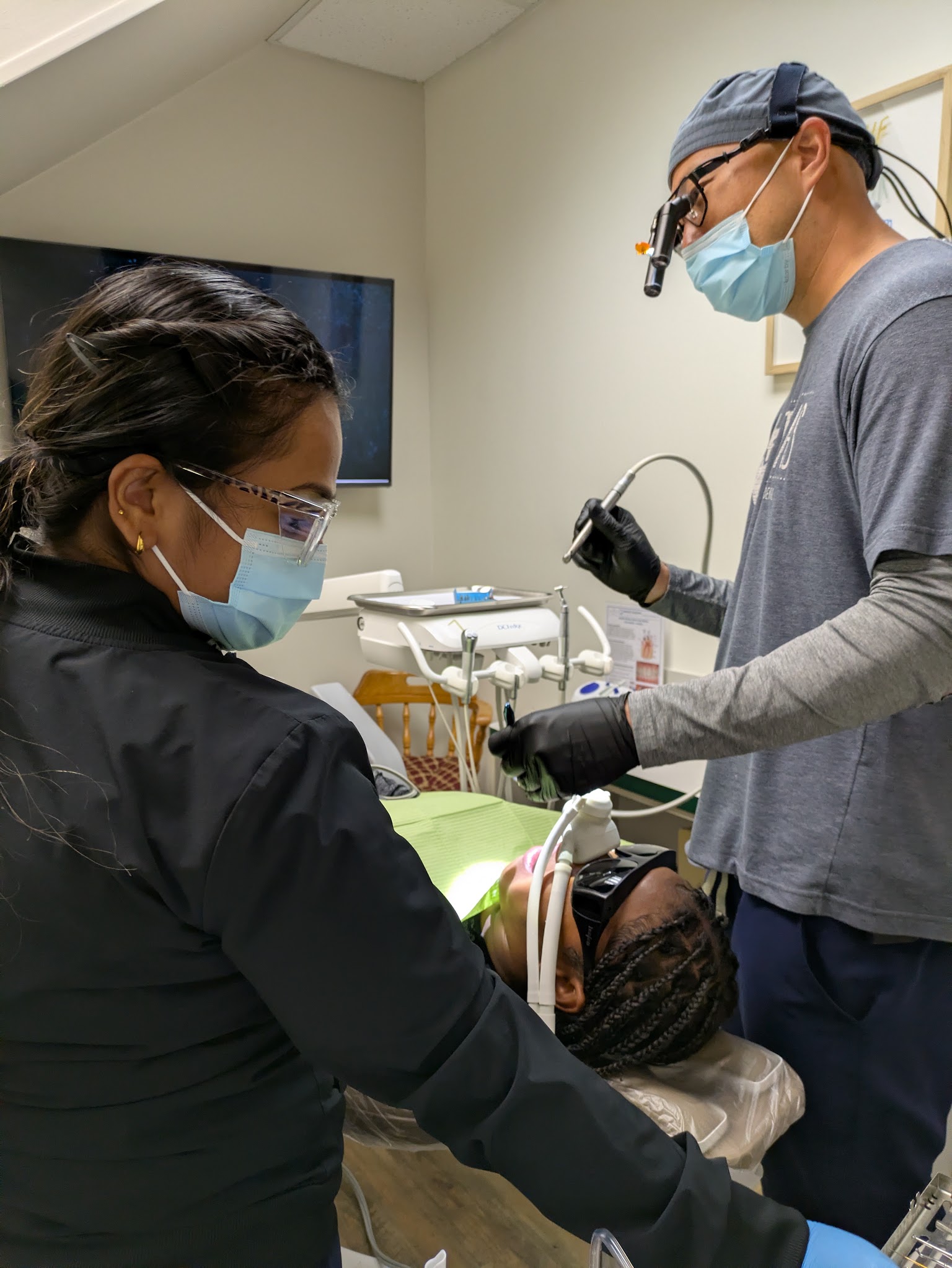
Dental implants are often viewed as cosmetic enhancements, but in many cases, they’re a medical necessity. Patients experiencing tooth loss due to trauma, disease, or congenital conditions may require implants not just for a confident smile—but for critical oral function. This blog explores when implants cross the line from elective to essential, offering a deep dive into medically necessary implants explained by Dr. Dave Cho.
What Does “Medically Necessary” Mean in Dentistry?
In dental terms, a procedure is considered medically necessary when it addresses an essential health issue rather than a cosmetic concern. This includes restoring ability to eat, speak, or maintain jawbone integrity. Dental implants meet these criteria in specific scenarios, especially when tooth loss compromises long-term oral or systemic health.
When Are Dental Implants Medically Necessary?
1. Severe Bone Loss or Jaw Deterioration
Without tooth roots, the jawbone begins to resorb. Implants are often the only way to stimulate bone and prevent facial collapse. In these cases, they’re not cosmetic—they’re crucial.
2. Inability to Wear Dentures
Some patients cannot tolerate dentures due to bone loss, gag reflex, or allergy. Here, comfortable tooth replacement with Dr. Dave Cho using implants becomes the only viable option.
3. Post-Trauma or Accident Recovery
If an injury causes one or more teeth to be lost or damaged beyond repair, implants may be required to restore basic oral function.
4. Congenital Conditions
Conditions like ectodermal dysplasia may cause missing teeth from birth. Implant solutions aren’t optional—they’re foundational to quality of life.
5. Preventing Further Oral Health Deterioration
A missing tooth can cause other teeth to shift, leading to bite problems and TMJ disorders. Implants prevent this chain reaction.
These examples all fall under understanding implant eligibility with Dr. Dave Cho — where function, not just form, drives the treatment plan.
Why Insurance Matters
Insurance companies often use the term “medically necessary” to determine coverage. Patients must show that implants are essential to health rather than cosmetic. Documentation from your provider, like those from Dr. Dave Cho, plays a pivotal role.
Technological Advancements Supporting Medical Necessity
Today’s diagnostics—such as cone beam CT scans and intraoral 3D imaging—help dentists like Dr. Dave Cho demonstrate the necessity of implants. These tools support appeals to insurers and provide proof that implants aren’t a luxury.
In a recent USA Today article, the Cleveland Cavaliers were eliminated from the NBA playoffs despite a season filled with potential. Their loss sparked questions: What could they have done differently?
The same principle applies in dentistry. Many patients wait until pain or complications force them into treatment. Just like the Cavaliers needed to act sooner or pivot mid-season, patients must be proactive. By consulting with Dr. Dave Cho early, you can avoid preventable setbacks. Don’t wait for your oral health to suffer a loss before taking action.
Pain-Free Dental Implant Options with Dr. Dave Cho
Modern implants have come a long way. Using minimally invasive techniques and sedation options, pain-free dental implant options with Dr. Dave Cho are now available. Whether it’s same-day placement or guided surgery, Dr. Dave Cho’s methods reduce discomfort and speed up recovery.
Considerations Before Proceeding
Assessment: You’ll need a full evaluation, including X-rays and 3D imaging.
Eligibility: Bone density, oral health, and lifestyle factors affect candidacy.
Cost: While medically necessary, insurance may still need convincing—documentation is key.
Key Takeaways
Dental implants are often more than cosmetic—they can be essential for function.
Conditions like trauma, bone loss, and congenital issues make implants a necessity.
Insurance may cover implants if they’re deemed medically necessary.
Early intervention, much like in sports, prevents complications down the line.
With pain-free dental implant options with Dr. Dave Cho, the path to restoration is more comfortable than ever.
FAQs
1. How do I know if my implant is medically necessary?
A. Your dentist will evaluate bone loss, missing teeth, and oral function to determine necessity.
2. Will insurance cover medically necessary dental implants?
A. It depends. Strong documentation and a detailed treatment plan can increase the chances of coverage.
3. Are there alternatives if I’m not eligible for implants?
A. Yes, but options like bridges or dentures may not offer the same bone preservation or functionality.
4. Can a single missing tooth qualify as medically necessary?
A. If it affects your bite, speech, or chewing, it may qualify.
5. What makes Dr. Dave Cho’s implant approach unique?
A. Dr. Dave Cho uses cutting-edge diagnostics, gentle techniques, and custom solutions for functional, comfortable outcomes.
————————————————————————————————————————————————————————————
Remember: If you’ve been told implants are only cosmetic, get a second opinion. Medically necessary implants explained by Dr. Dave Cho reveal that in many cases, implants are the only way to preserve oral health.
Disclaimer: This blog post is for educational purposes only. Please consult a qualified dental provider like Dr. Dave Cho for personalized advice.